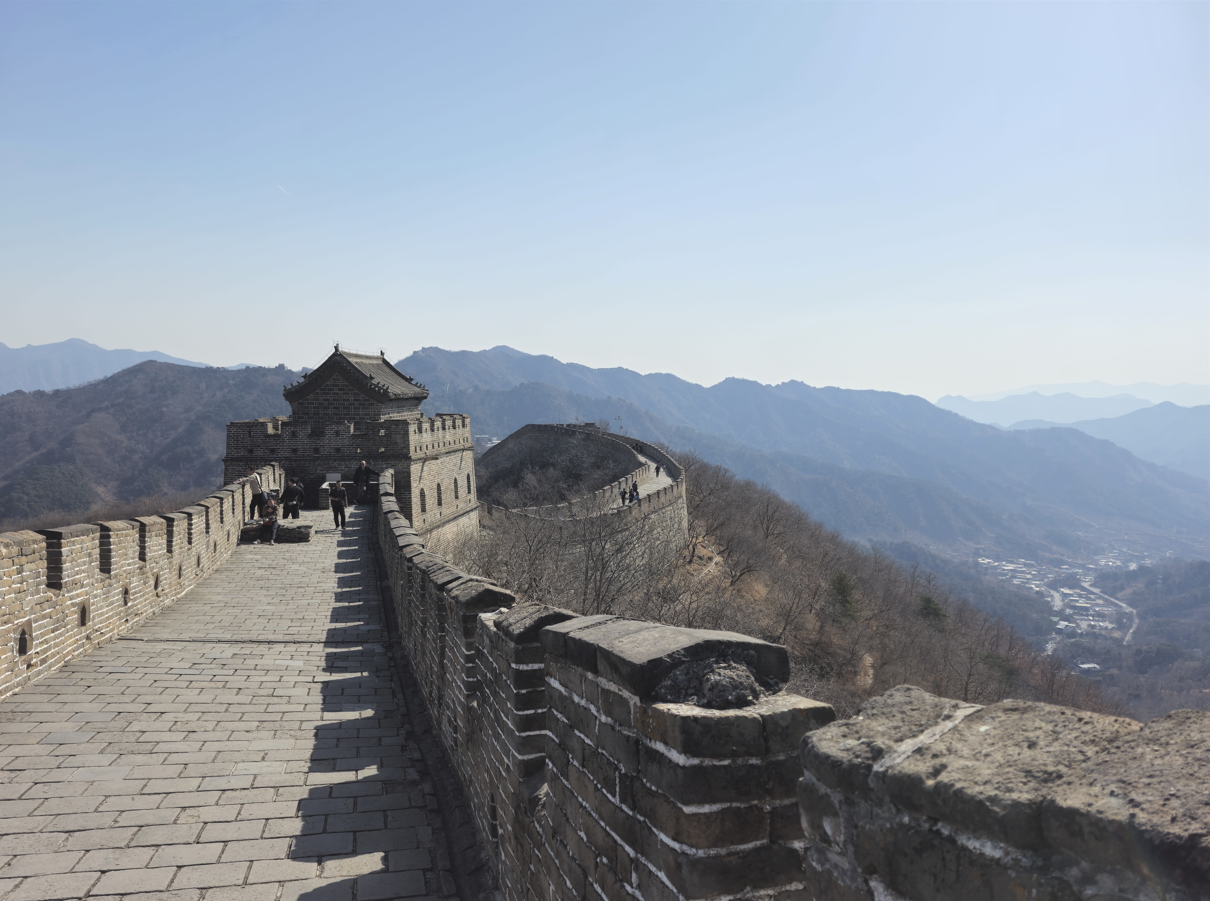
Great Wall of China
The Great Wall of China is a series of fortifications that were built across the historical northern borders of ancient Chinese states to protect against nomadic groups. Construction began as early as the 7th century BC. The most well-known sections were built during the Ming dynasty (1368–1644). It is a symbol of China's enduring strength and a testament to its rich history.
📍China
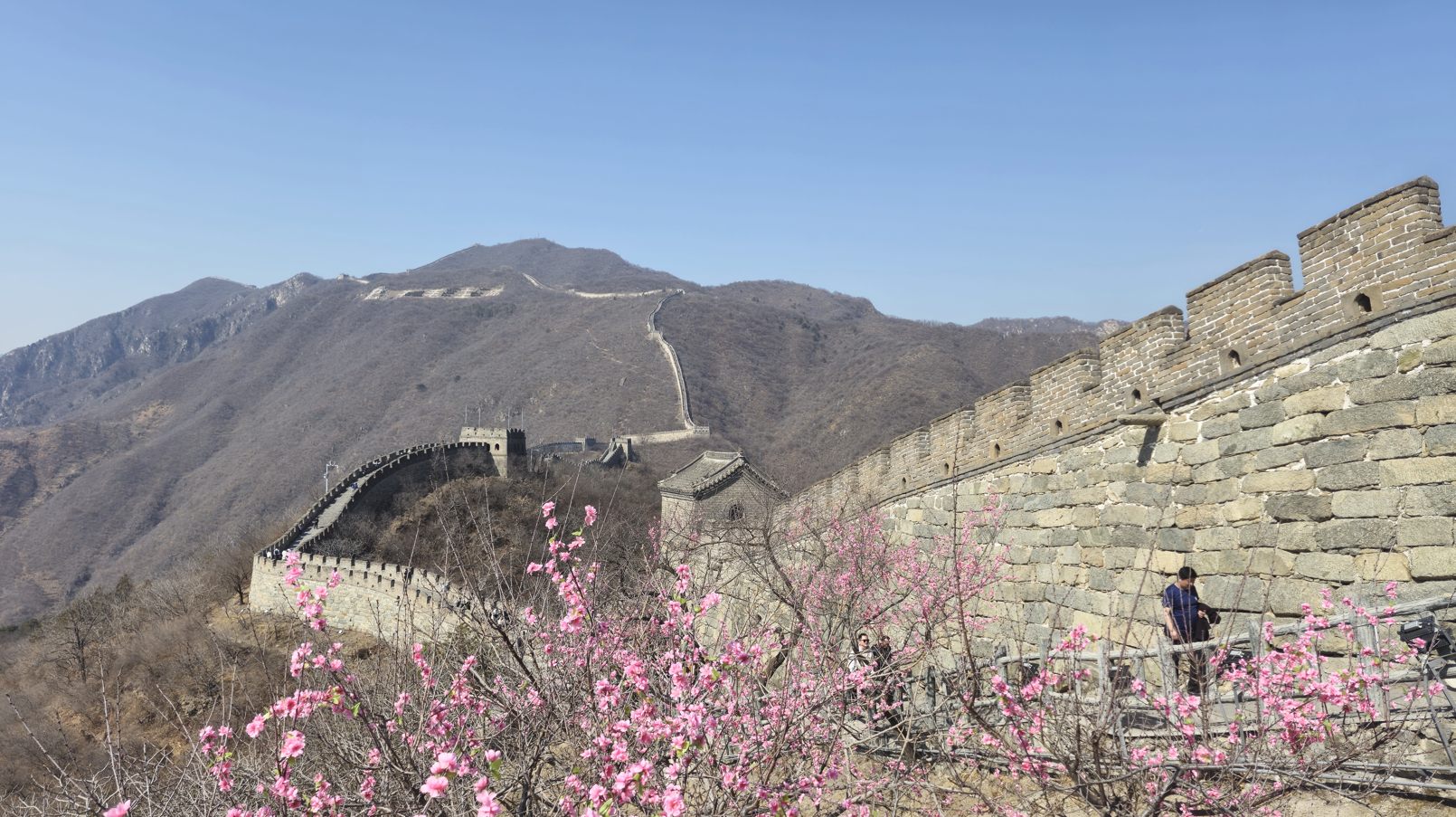
Great Wall of China
The Great Wall of China is a series of fortifications that were built across the historical northern borders of ancient Chinese states and Imperial China to protect against various nomadic groups from the north. Construction began as early as the 7th century BC. The most well-known sections were built during the Ming dynasty (1368–1644). It is the longest human-made structure in the world, stretching over 13,000 miles.
📍China
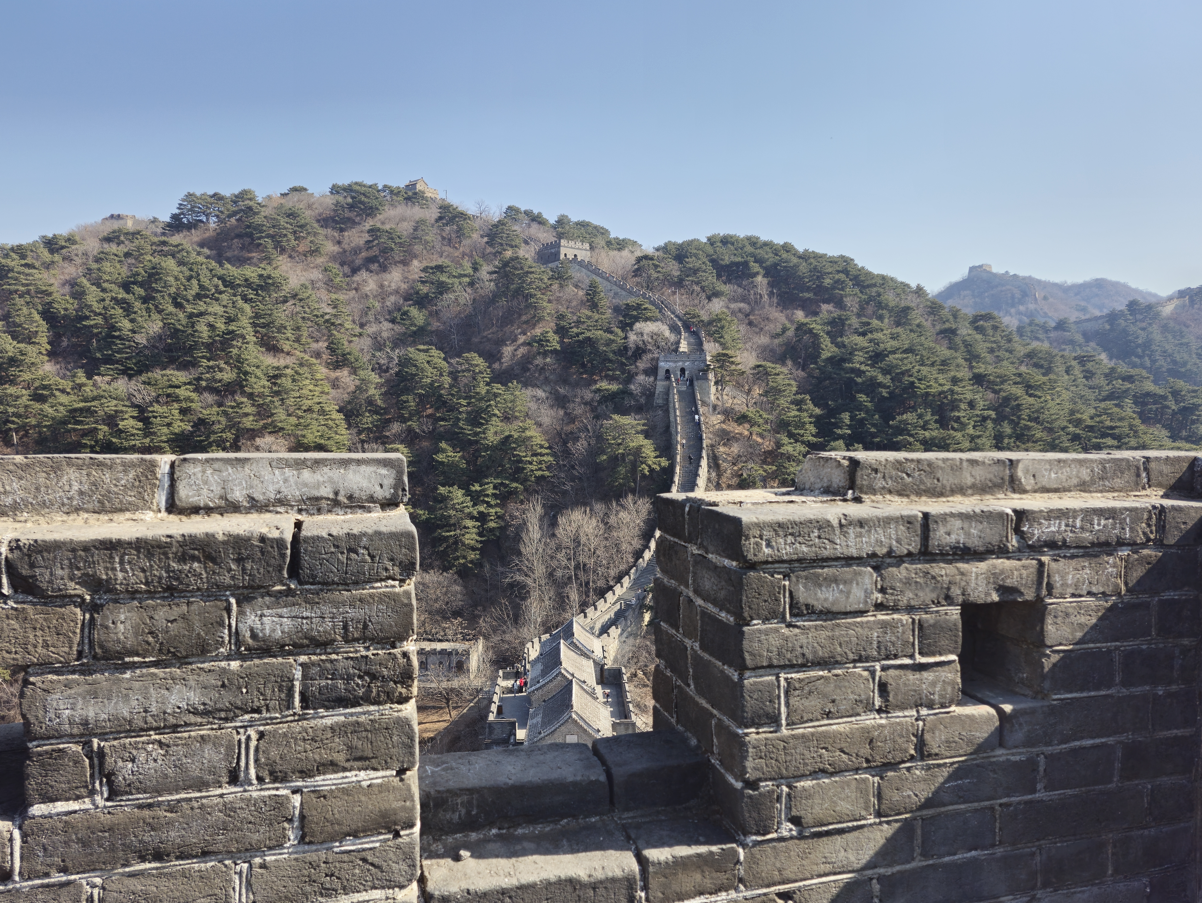
Great Wall of China
The Great Wall of China is a series of fortifications that were built across the historical northern borders of ancient Chinese states and Imperial China as protection against nomadic groups from the Eurasian Steppe. Construction began as early as the 7th century BC. The most well-known sections were built during the Ming Dynasty (1368–1644).
📍China
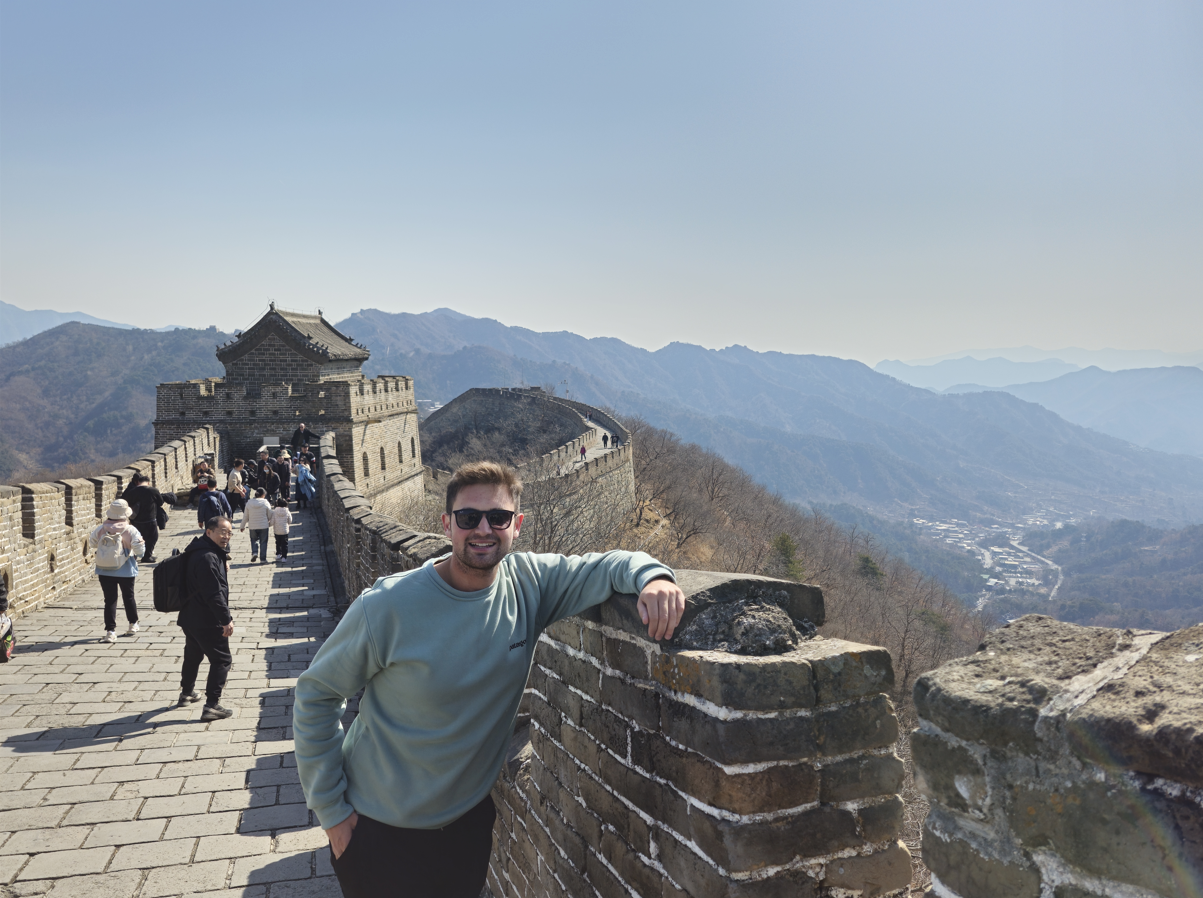
Great Wall of China
The Great Wall is a series of fortifications that were built to protect the Chinese empire from invaders. Construction began in the 7th century BC and continued for over 2,000 years. The most well-known sections were built during the Ming dynasty (1368–1644). The wall stretches over 13,000 miles and is a UNESCO World Heritage Site.
📍China
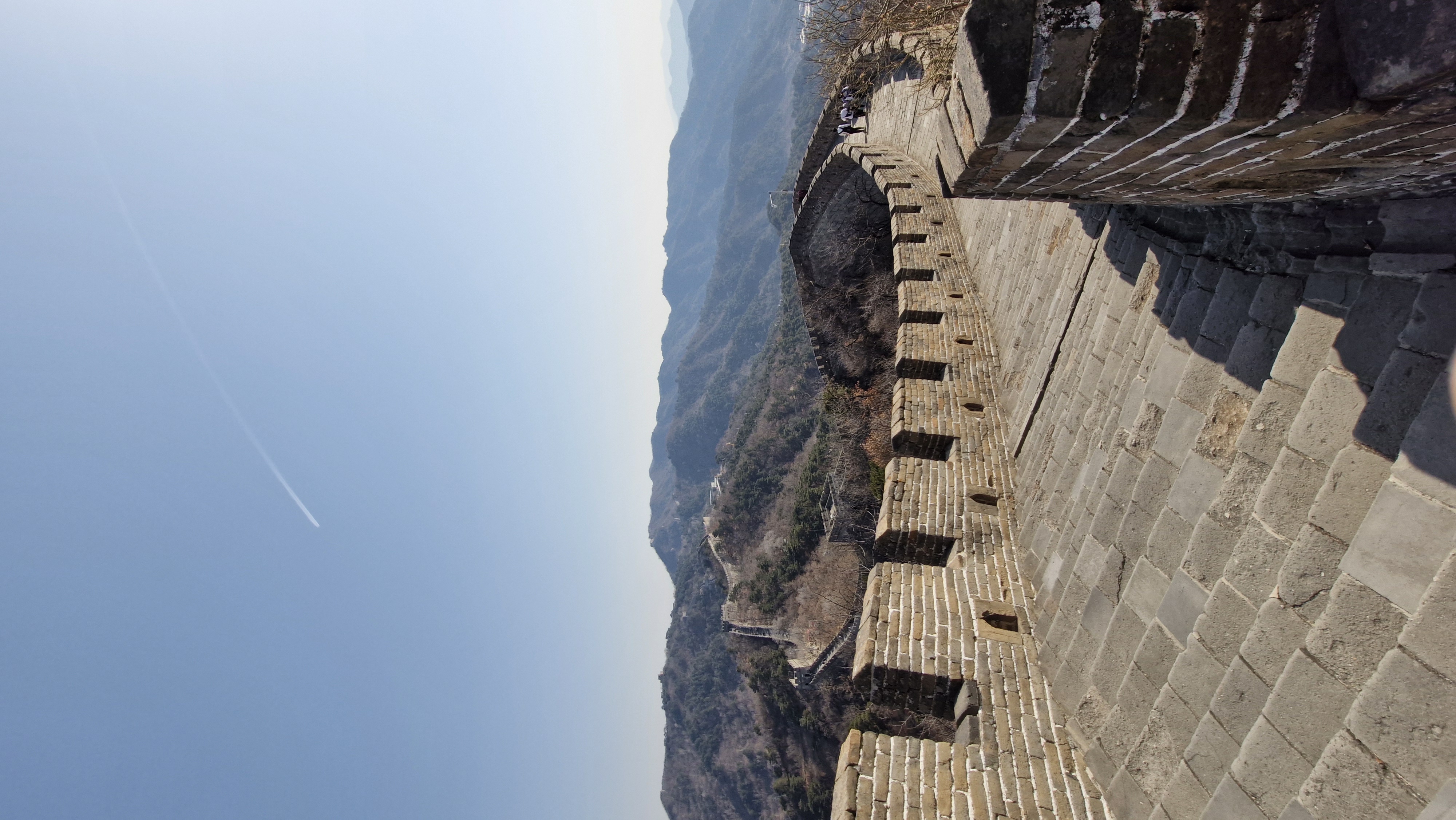
Great Wall of China
The Great Wall of China is a series of fortifications that were built across the historical northern borders of ancient Chinese states and Imperial China as protection against nomadic groups of the Eurasian Steppe. Construction began in the 7th century BC, and different stretches were built between the 5th century BC and the 16th century. Portions of the wall have been rebuilt and reinforced over centuries by various dynasties. It is a UNESCO World Heritage Site.
📍China
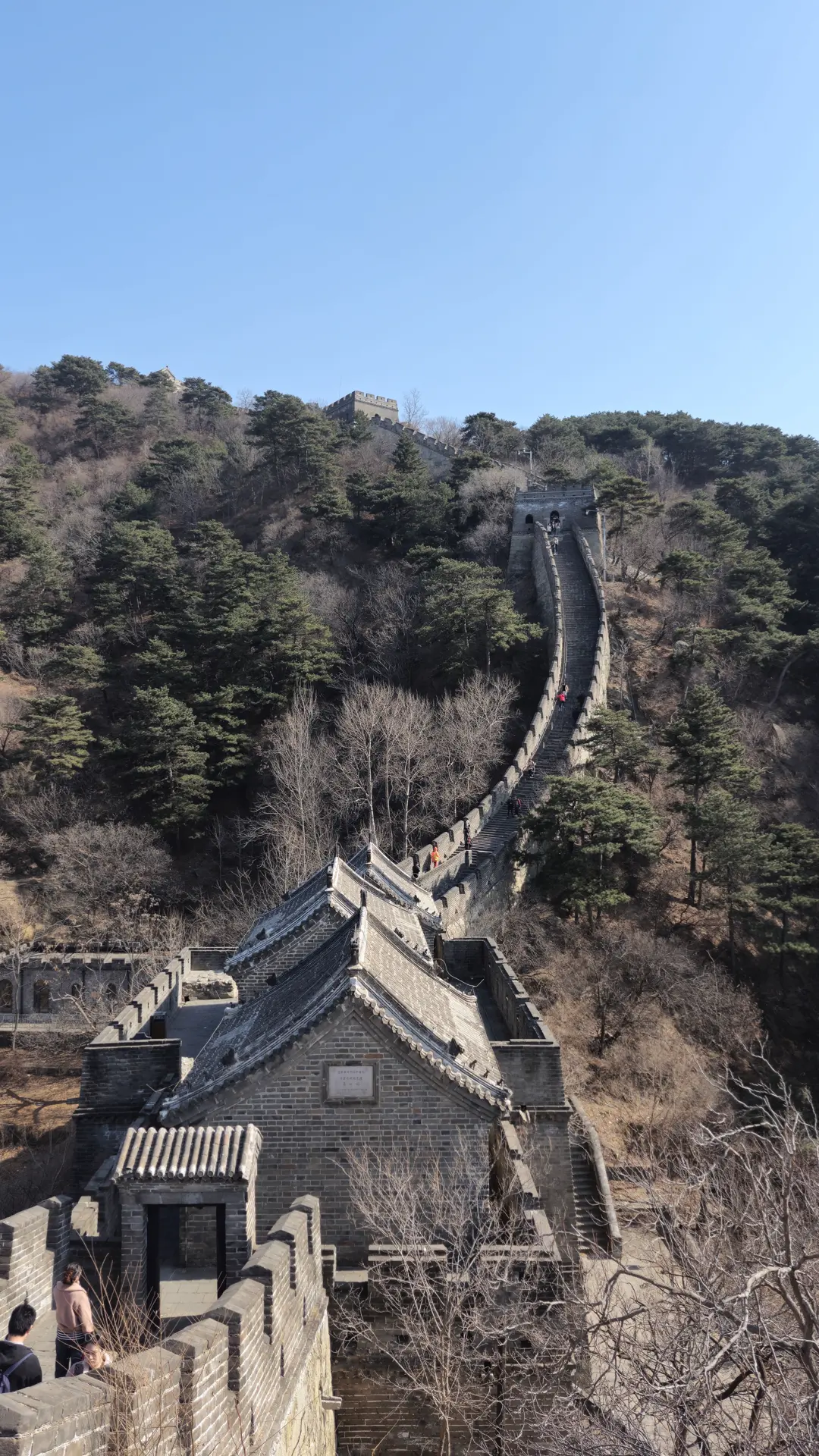
Great Wall of China
The Great Wall of China is a series of fortifications built by various dynasties over centuries to protect the Chinese empire from invaders. Construction began as early as the 7th century BC. The most well-known sections were built during the Ming Dynasty (1368–1644). It stretches thousands of kilometers across northern China, a testament to the country's military and architectural prowess.
📍China
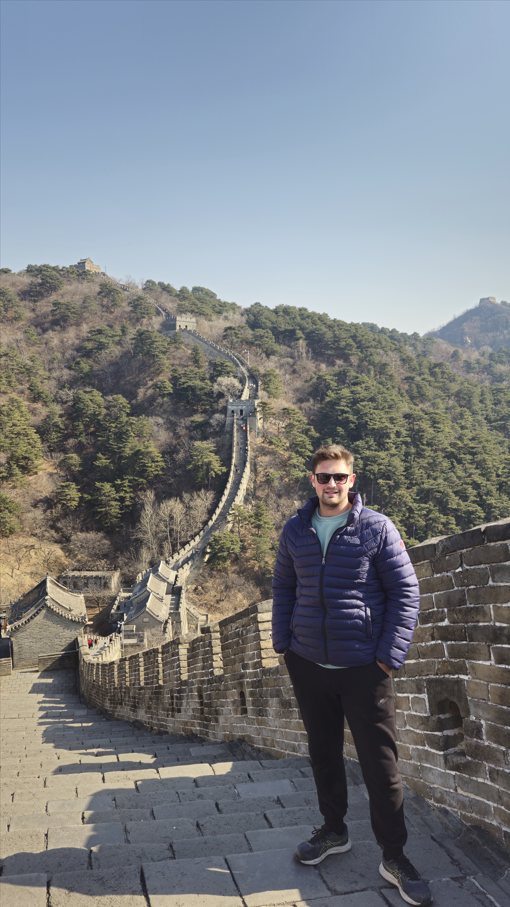
Great Wall of China
The Great Wall of China is a series of fortifications that were built over centuries, starting as early as the 7th century BC, by various Chinese states and empires. It served to protect the Chinese Empire against nomadic groups from the north. The wall is not a single continuous structure, but rather a series of walls, fortifications, and natural barriers. Today, it is recognized as a UNESCO World Heritage Site and is one of the most popular tourist destinations in the world.
📍China
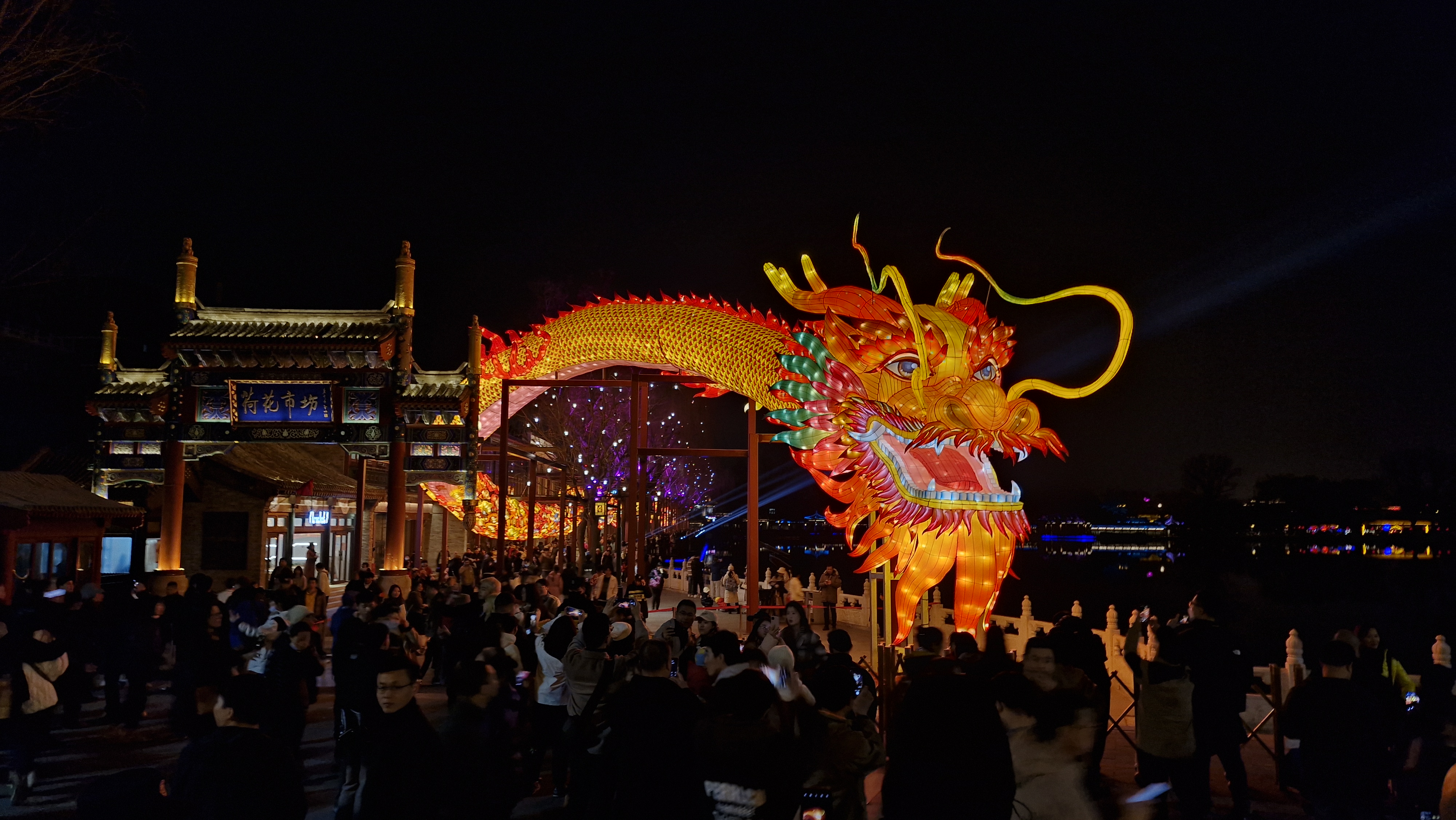
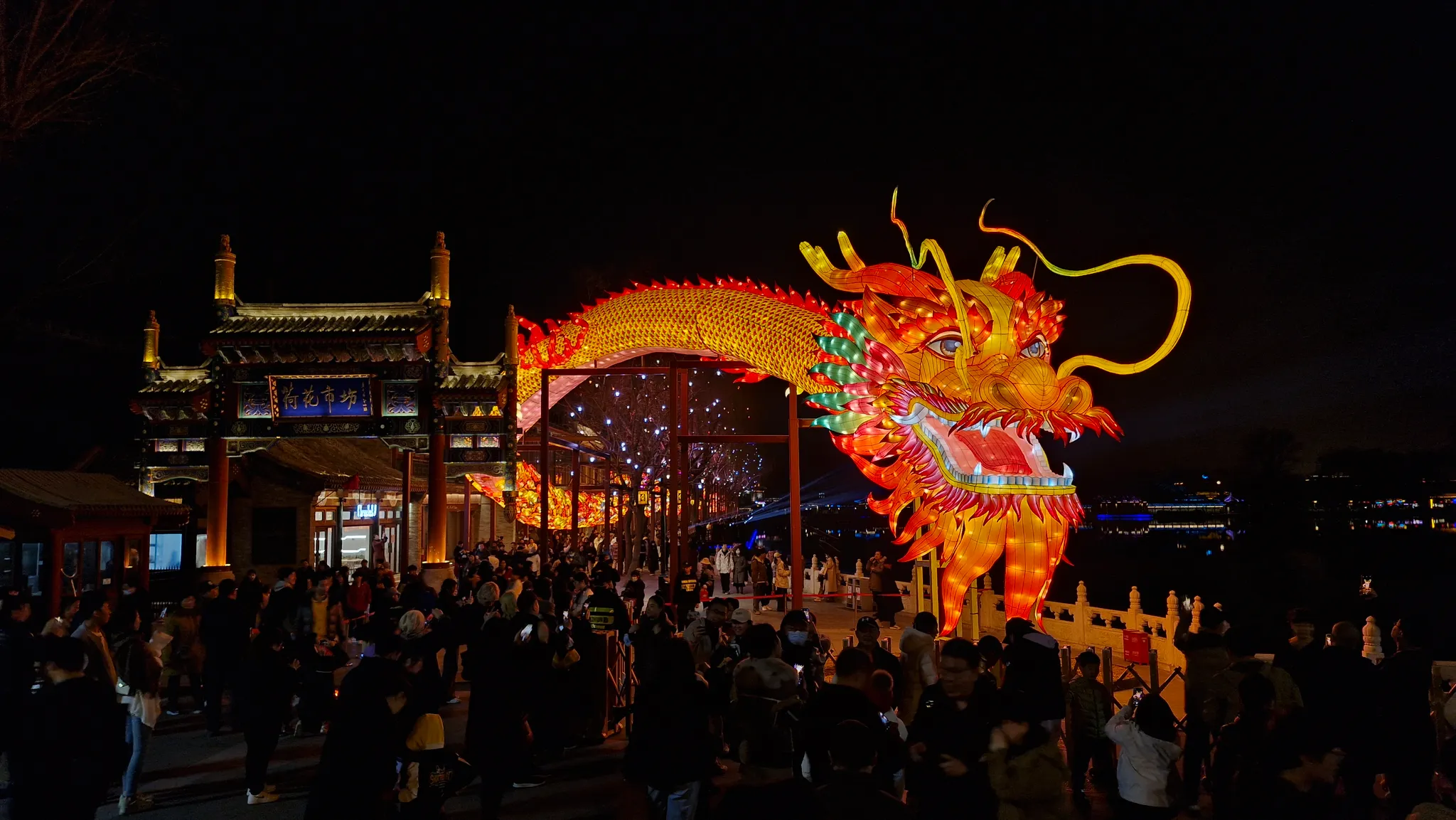
The Chinese dragon is a legendary creature in Chinese mythology and folklore, representing power, strength, and good luck. Unlike Western dragons, it usually symbolizes auspicious powers and control over water, rainfall, typhoons, and floods. In art and festivals, the dragon appears prominently, embodying the spirit of transformation and renewal. During Chinese New Year celebrations, dragon dances are performed to bring prosperity and ward off evil spirits.
📍Null
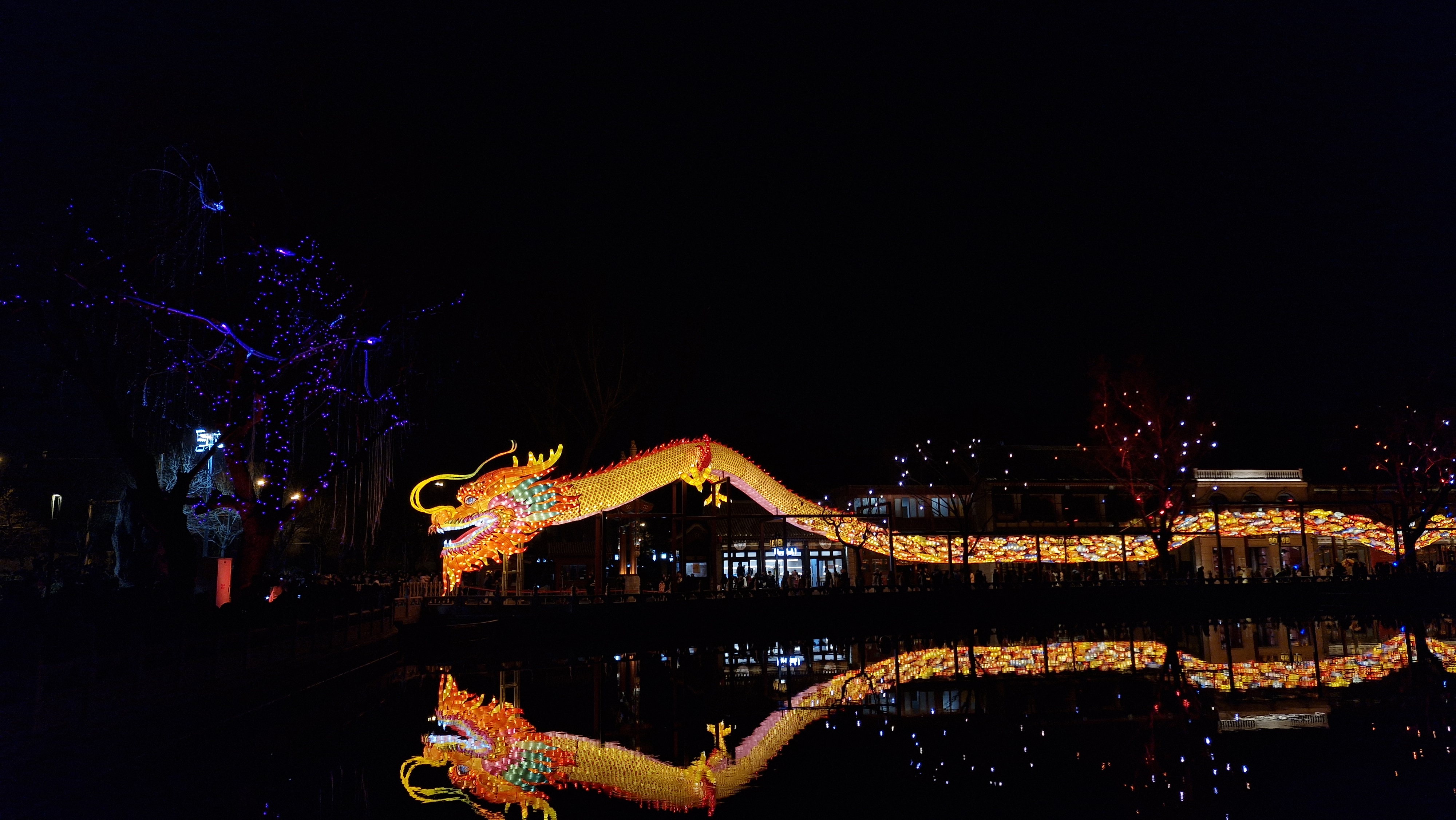
Chinese lantern festivals are a significant part of Chinese culture, often celebrated during the Lantern Festival (Yuan Xiao Jie) which marks the end of the Chinese New Year. Dragons are potent symbols in Chinese mythology, representing power, strength, and good luck. Such illuminated displays embody artistic craftsmanship and cultural heritage, offering a visually stunning spectacle that draws communities together and contributes to the festive atmosphere.
📍Null
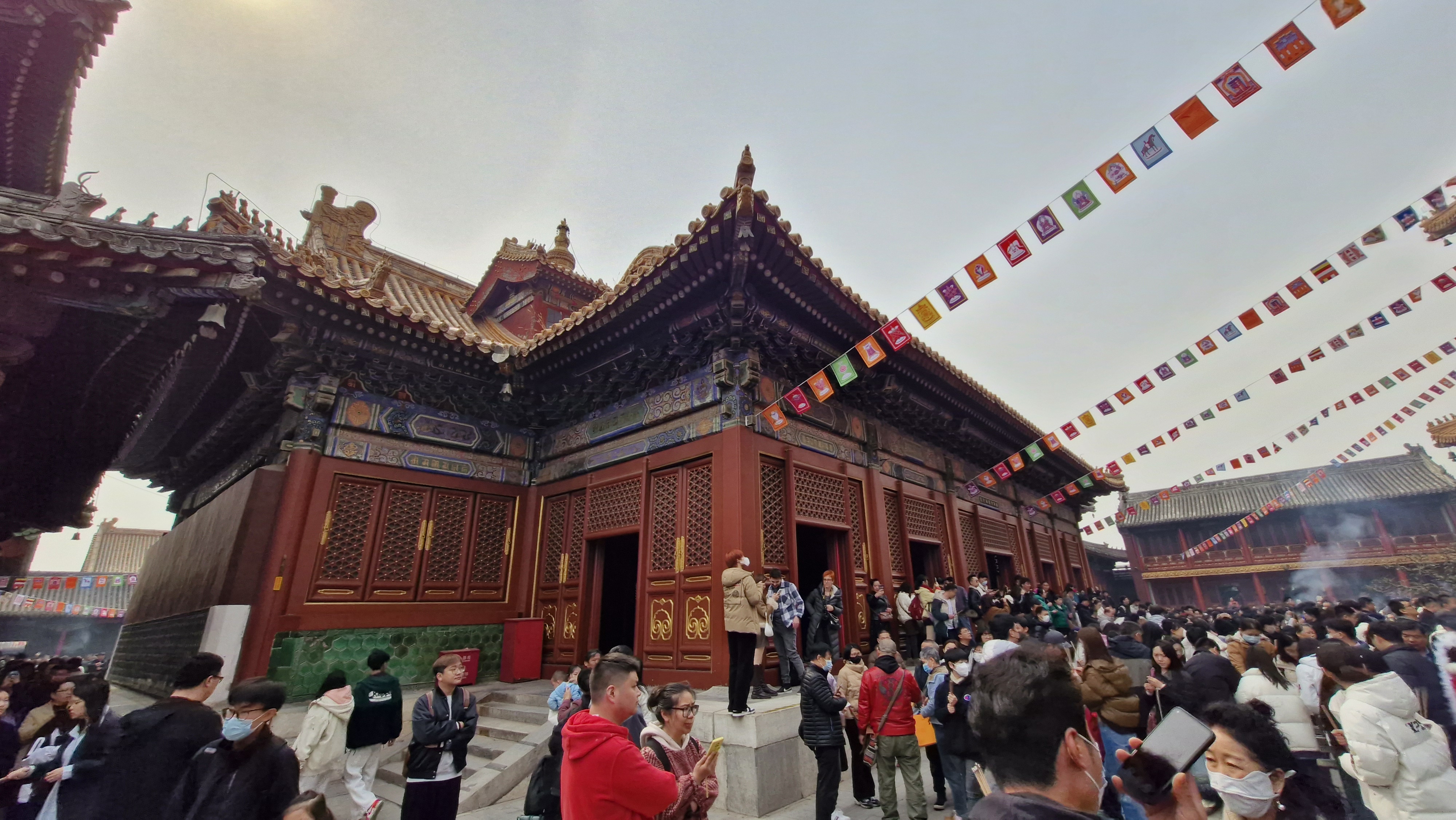
Yonghe Temple
Yonghe Temple, also known as the Lama Temple, is one of the most important and well-preserved Tibetan Buddhist monasteries located in Beijing. It was originally built in 1694 as the residence of Prince Yongzheng, who later became the Yongzheng Emperor. After his death, the residence was converted into a lamasery in 1744, housing a large number of monks from Tibet and Mongolia. The temple features a unique blend of Han Chinese and Tibetan architectural styles and is renowned for its exquisite artwork, including statues of Buddhist deities and intricate murals.
📍Beijing
1–10 of 42 photos