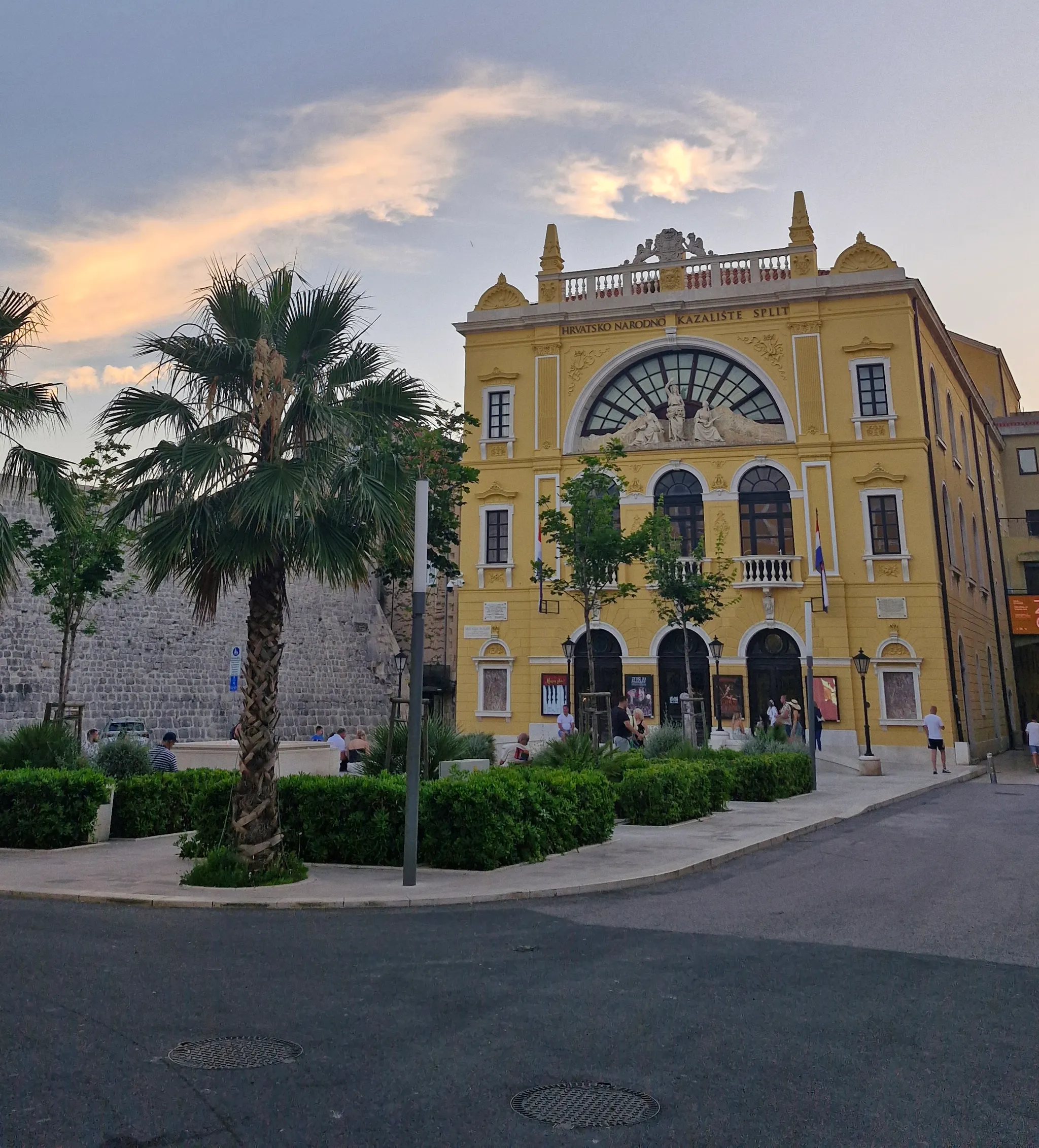

Croatia boasts a stunning Adriatic coastline dotted with over a thousand islands, islets, and reefs. The Dalmatian coast, where this landscape is likely located, is famed for its dramatic limestone cliffs, crystal-clear waters, and historic towns. The mild Mediterranean climate promotes a diverse array of plant life and provides ideal conditions for tourism.
📍Dalmatian Coast

Church of Saint Mark, Belgrade
The Church of Saint Mark, located in Belgrade, Serbia, is a Serbian Orthodox church constructed in the Serbo-Byzantine style. Completed in 1940, it stands on the site of an older church dating back to the 19th century. Inside, one can find a marble sarcophagus containing the remains of Emperor Stefan Dusan, a significant figure in Serbian history.
📍Belgrade

The Croatian coastline is known for its stunning beauty, with over a thousand islands, islets, and reefs scattered along the Adriatic Sea. The geological composition features karst topography, characterized by limestone rock formations shaped by erosion. This creates dramatic cliffs, hidden caves, and pristine pebble beaches. The sunsets over the Adriatic are particularly renowned, painting the sky with vibrant colors.
📍Croatia
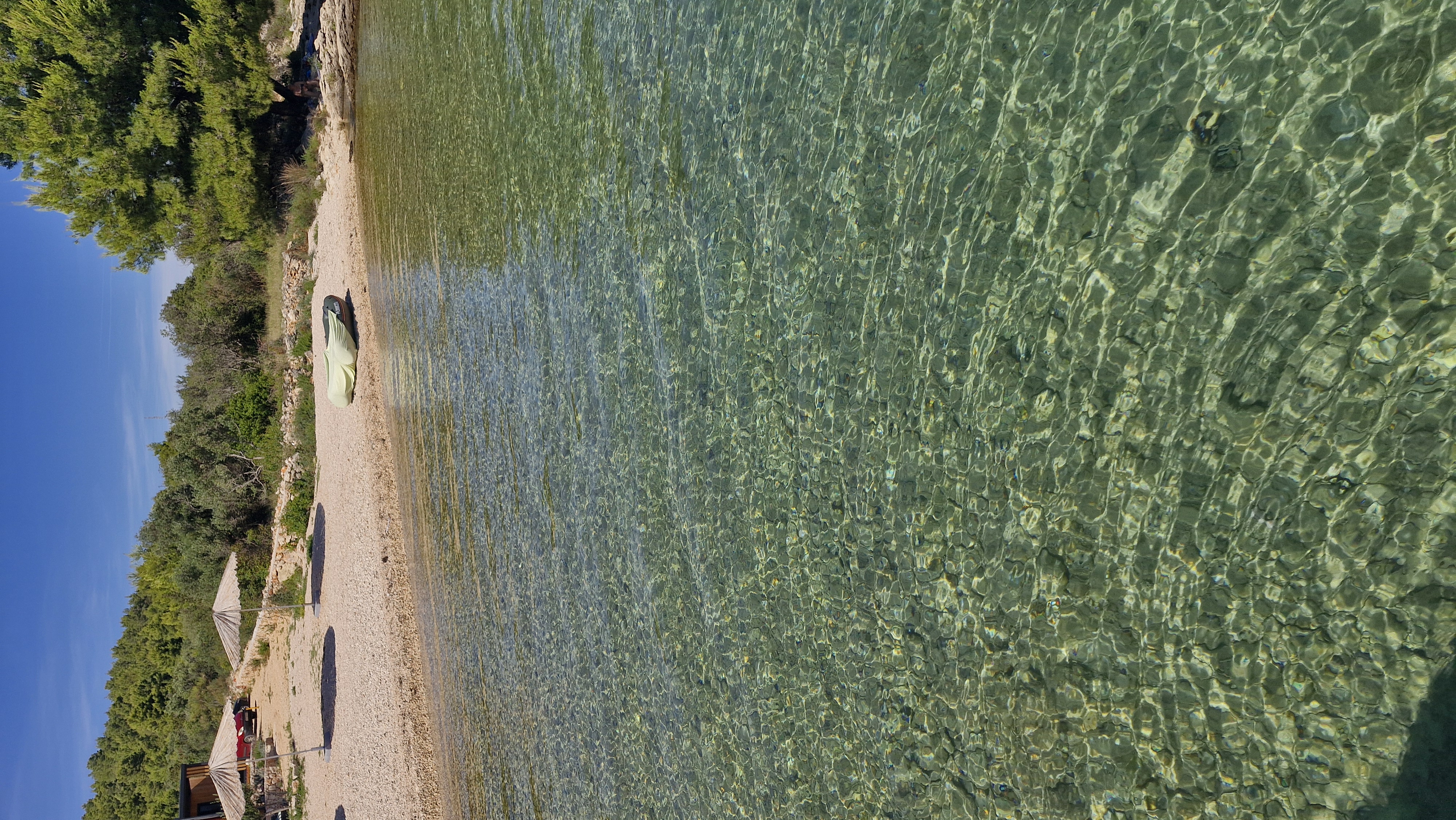
The Croatian coastline is renowned for its stunning turquoise waters and rocky shores. These clear waters are due to low levels of nutrients and plankton, allowing sunlight to penetrate deeply. The country boasts over a thousand islands and islets, each offering unique landscapes and opportunities for exploration. Croatia's coastal region experiences a mild Mediterranean climate, characterized by warm, dry summers and mild, wet winters.
📍Croatia

Riva Promenade
The Riva Promenade is the waterfront area in Split, Croatia, and is a focal point of the city. Framed by Diocletian's Palace on one side and the Adriatic Sea on the other, it's a bustling pedestrian zone filled with cafes, shops, and restaurants. The promenade is central to Split's social life and hosts numerous events and festivals throughout the year.
📍Split
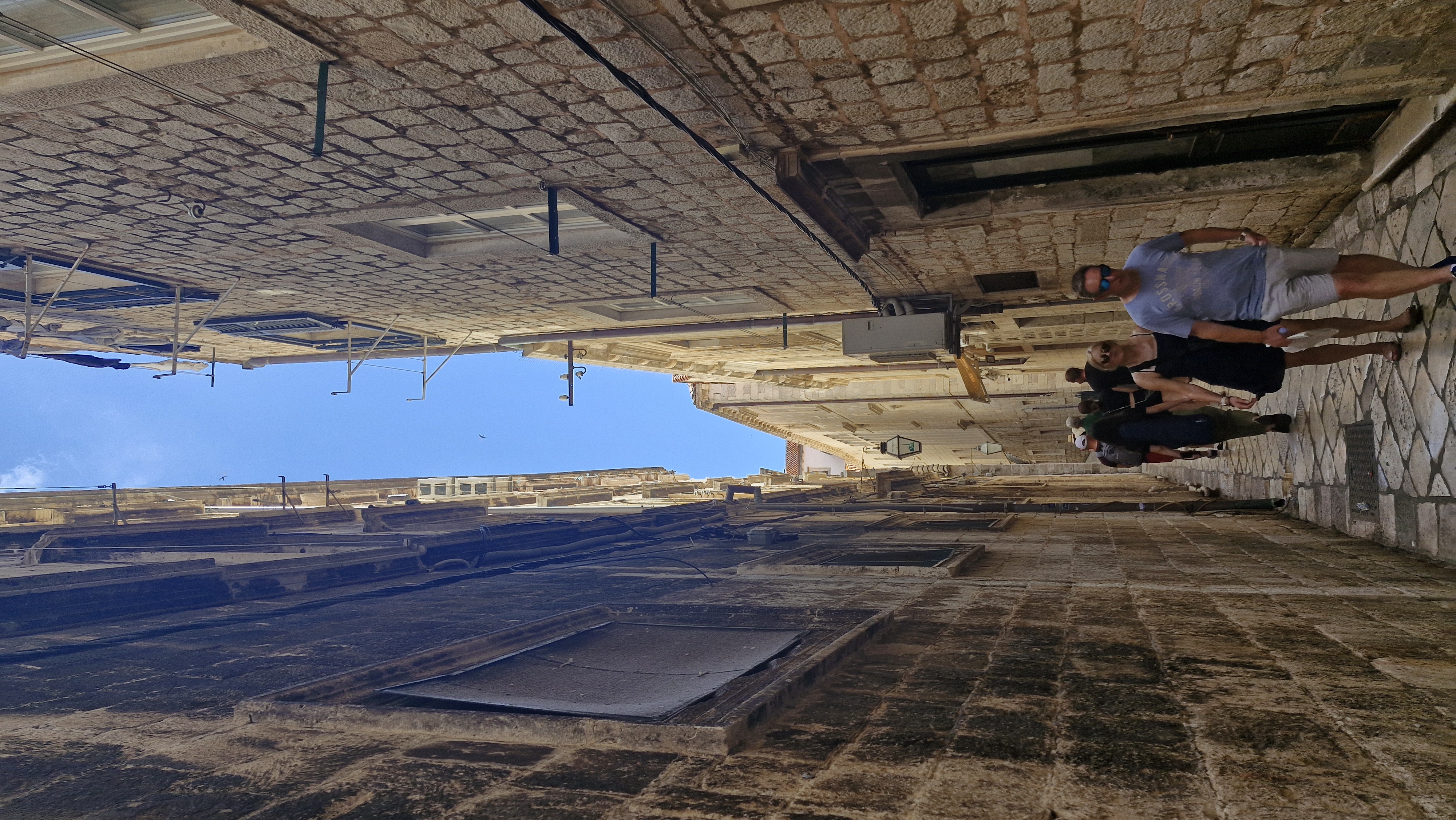
The historic streets of Dubrovnik, Croatia are renowned for their distinctive, light-colored limestone paving. This stone, quarried locally, has been walked on for centuries, becoming polished and gleaming underfoot. The narrow streets and tall buildings create a unique atmosphere in the UNESCO World Heritage site, contributing to its appeal as a filming location and tourist destination.
📍Dubrovnik
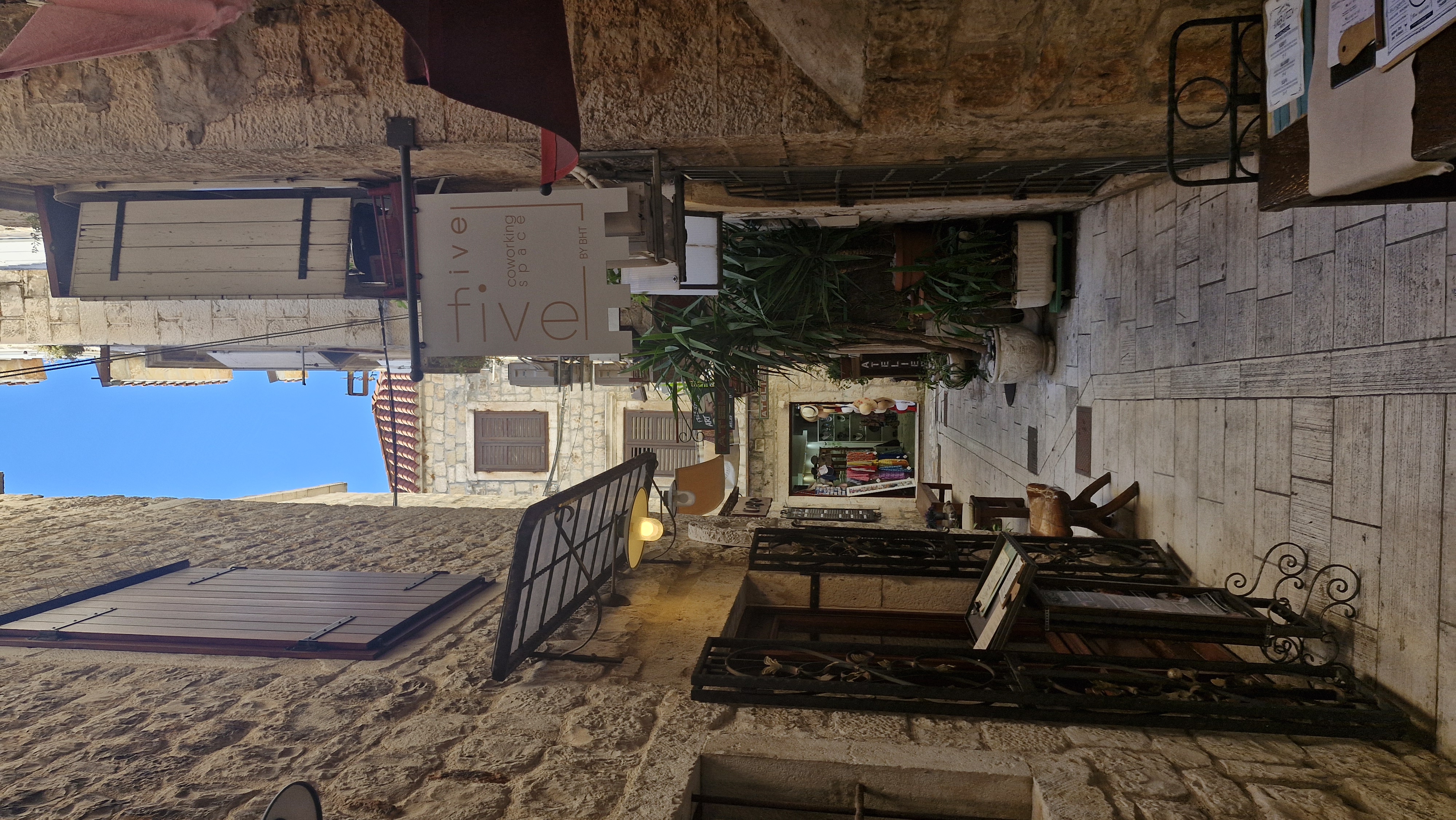
The narrow stone streets of Croatian coastal towns like Dubrovnik and Split are a distinctive feature of their architecture. Constructed centuries ago, these streets were designed to provide shade, manage water runoff, and offer a defensible layout. Many of the buildings lining the streets date back to the Venetian era, reflecting the cultural influences of the Adriatic region.
📍Split
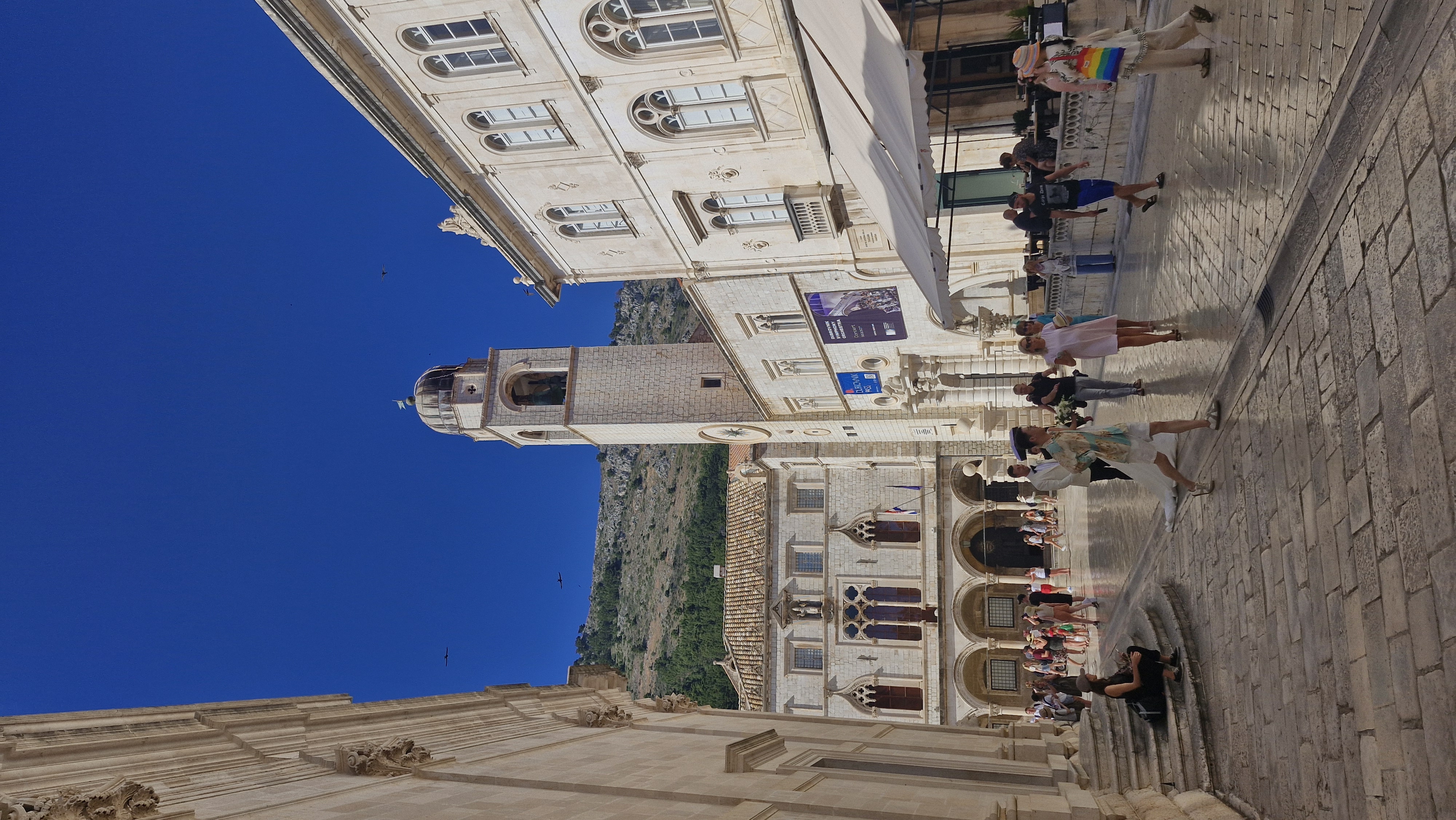
Stradun, Dubrovnik
The Stradun, also known as Placa, is the main street of Dubrovnik, Croatia. Heavily damaged in the 1667 earthquake, the rebuilding focused on uniformity with the limestone paving stones and stone-built houses creating a cohesive architectural space. It stretches approximately 300 meters and connects the city's eastern and western gates, serving as a central public space for locals and tourists alike.
📍Dubrovnik
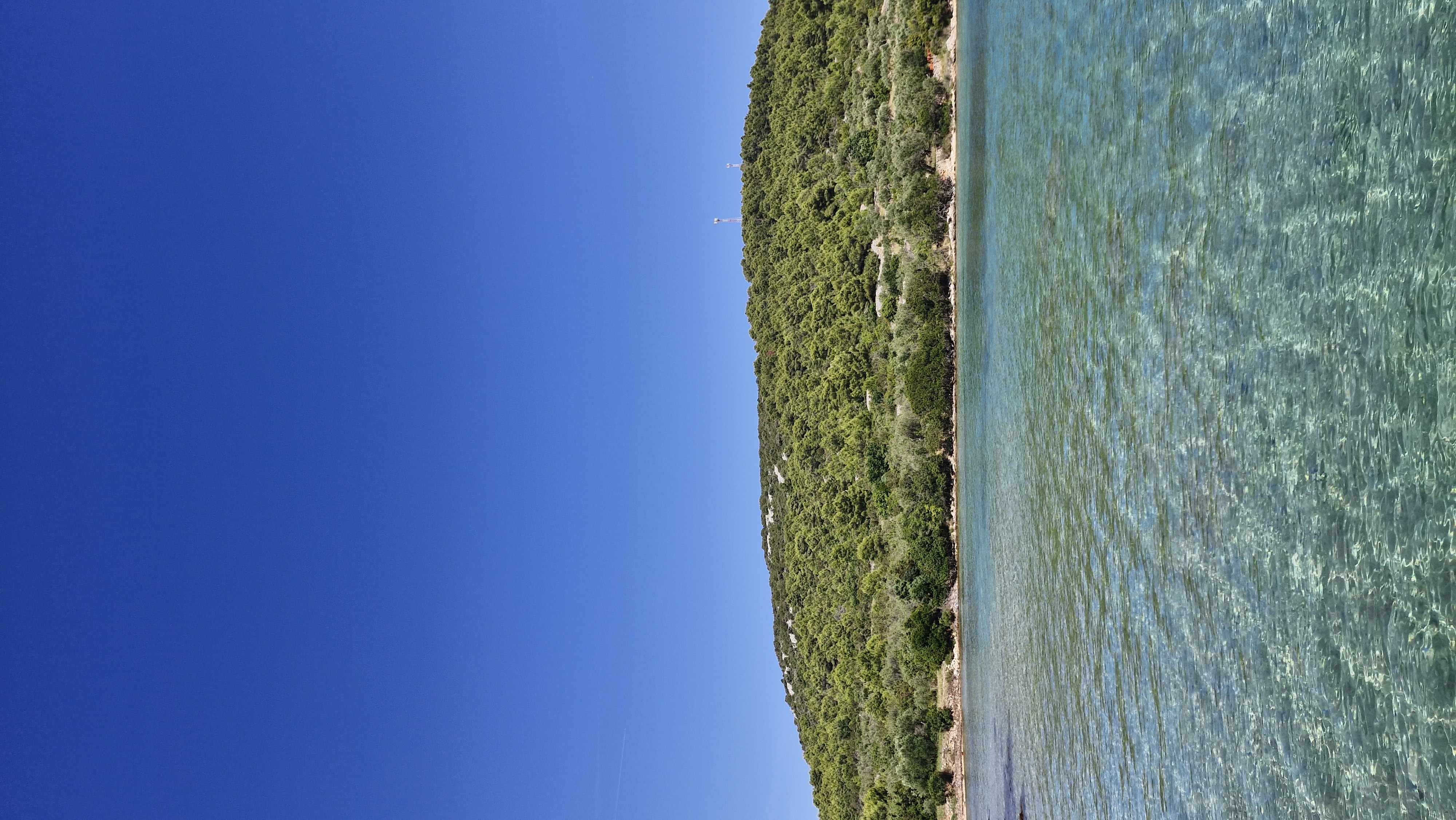
The Croatian coastline is known for its stunning turquoise waters, a result of the Adriatic Sea's clarity and the limestone bedrock that reflects sunlight. The lush vegetation is typical of the Mediterranean climate, with dense pine forests and maquis shrubland dominating coastal landscapes. These ecosystems are adapted to hot, dry summers and mild, wet winters, creating a unique environment supporting diverse flora and fauna.
📍Croatia
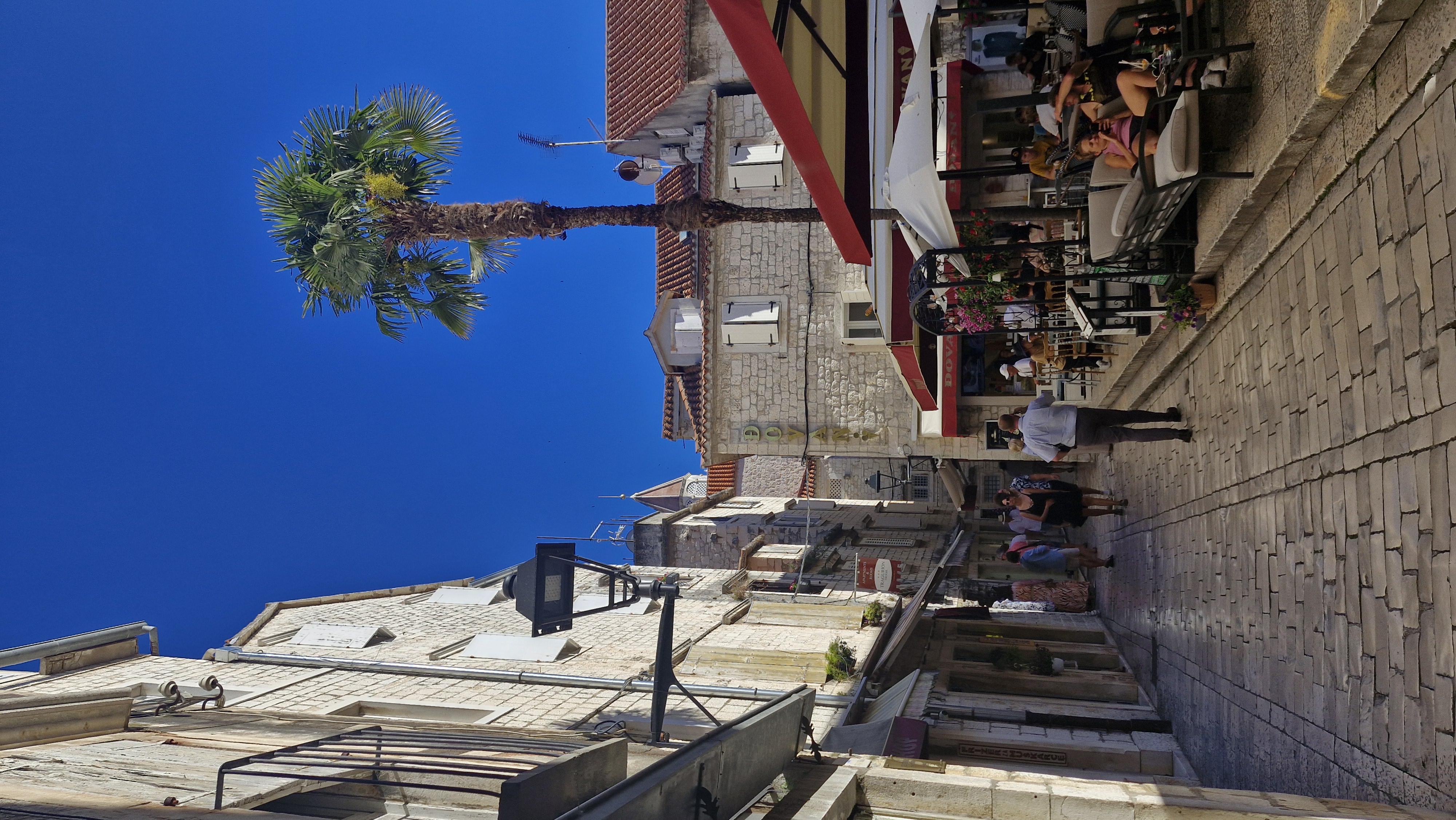
The narrow, stone-paved streets are a defining characteristic of many Dalmatian towns, reflecting a history deeply interconnected with stone masonry. This layout, with tightly packed buildings and alleys, served practical purposes by offering shade during the hot summers and protection from coastal winds. The use of local limestone in construction creates a uniform and visually striking urban environment. These streets often hold historical significance and are now filled with shops, restaurants, and vibrant local life.
📍Dalmatia
1–10 of 31 photos