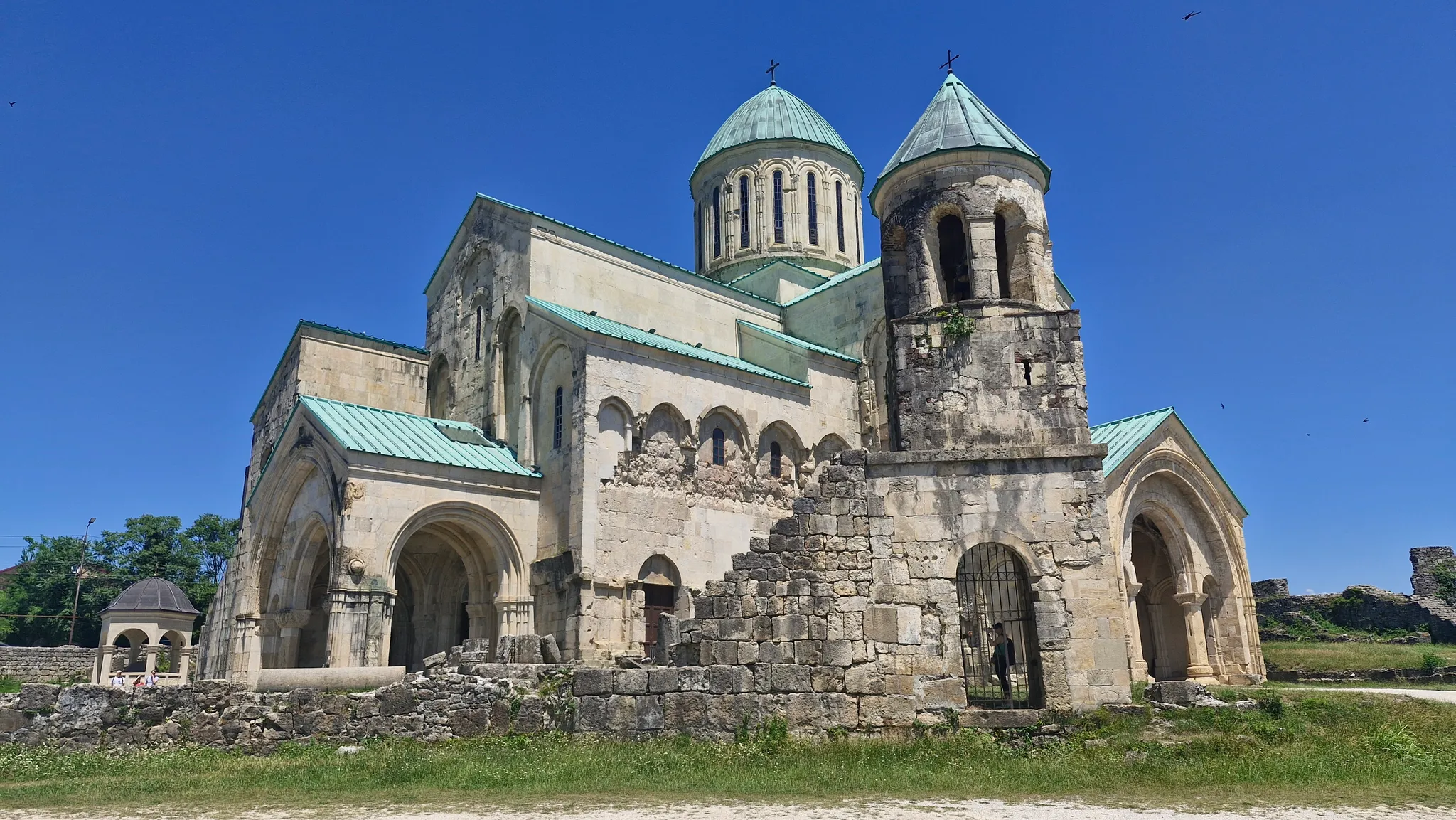
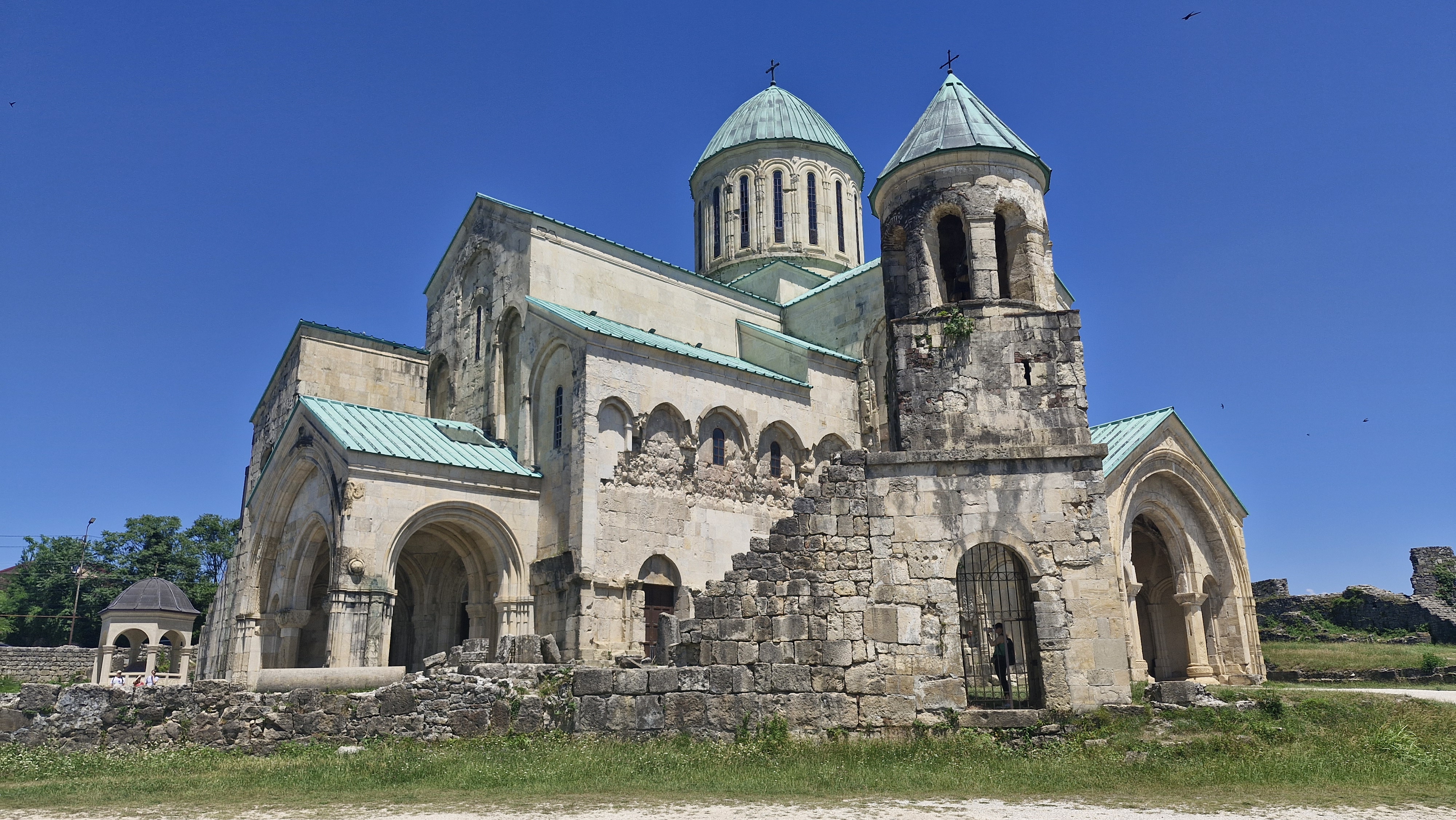
Bagrati Cathedral
Bagrati Cathedral, located in Kutaisi, Georgia, was built in the early 11th century during the reign of King Bagrat III, hence its name. A masterpiece of medieval Georgian architecture, it once served as a symbol of a unified Georgia. The cathedral suffered extensive damage throughout history, particularly in the 17th century during Ottoman invasions, leading to its partial collapse. In recent years, controversial restoration efforts have been undertaken, stirring debate among architectural preservationists.
📍Kutaisi
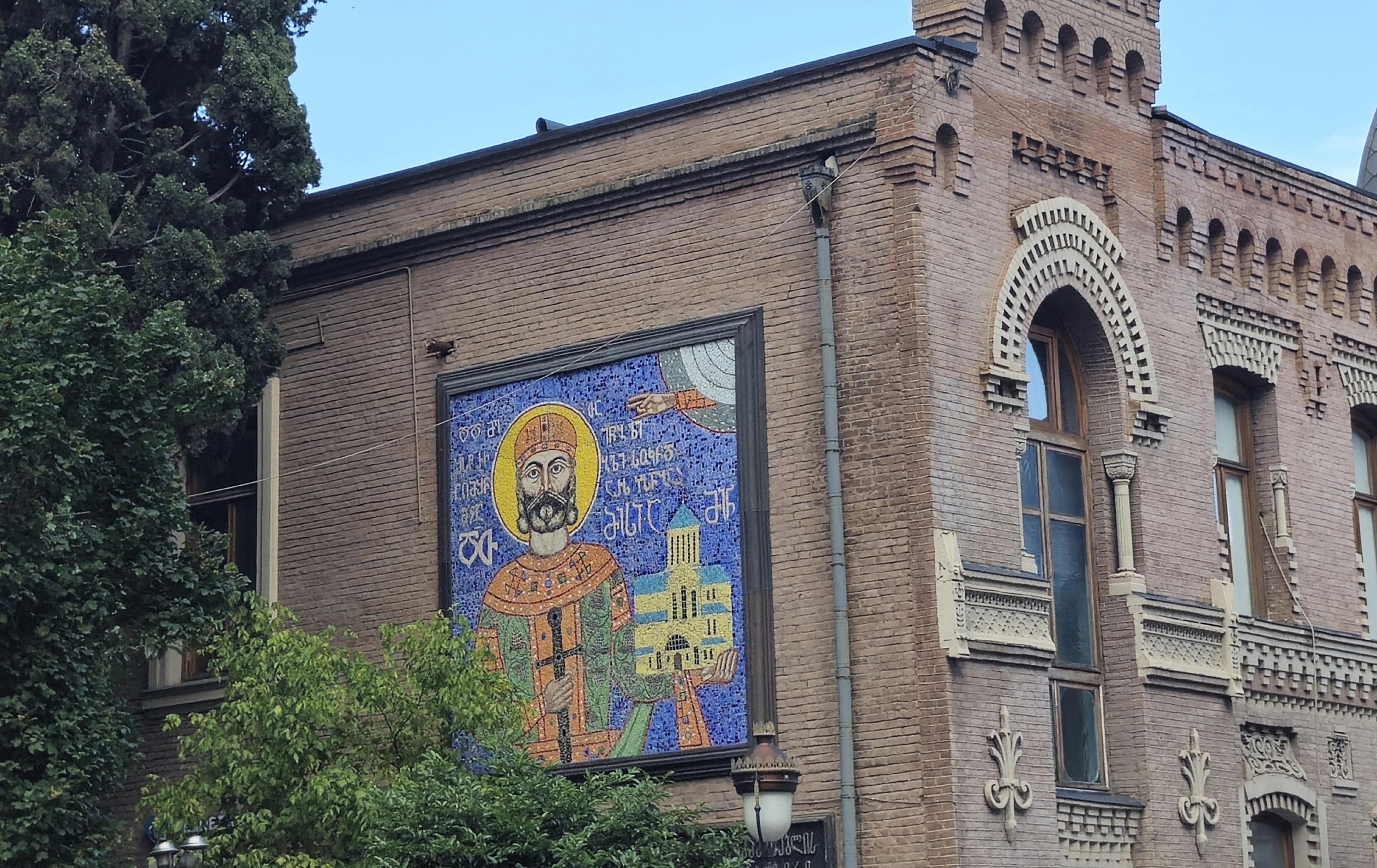
St. George's mosaic, St. George Church, Tbilisi
The mosaic depicts St. George, the patron saint of Georgia, a symbol of perseverance and faith. St. George's image carrying a spear, often slaying a dragon, is frequently seen throughout Georgian art and churches. The mosaic is associated with the adjacent St. George Church, though such mosaic art can be found on other facades in Tbilisi. Depicted with St. George is a representation of an old Tbilisi church building.
📍Tbilisi
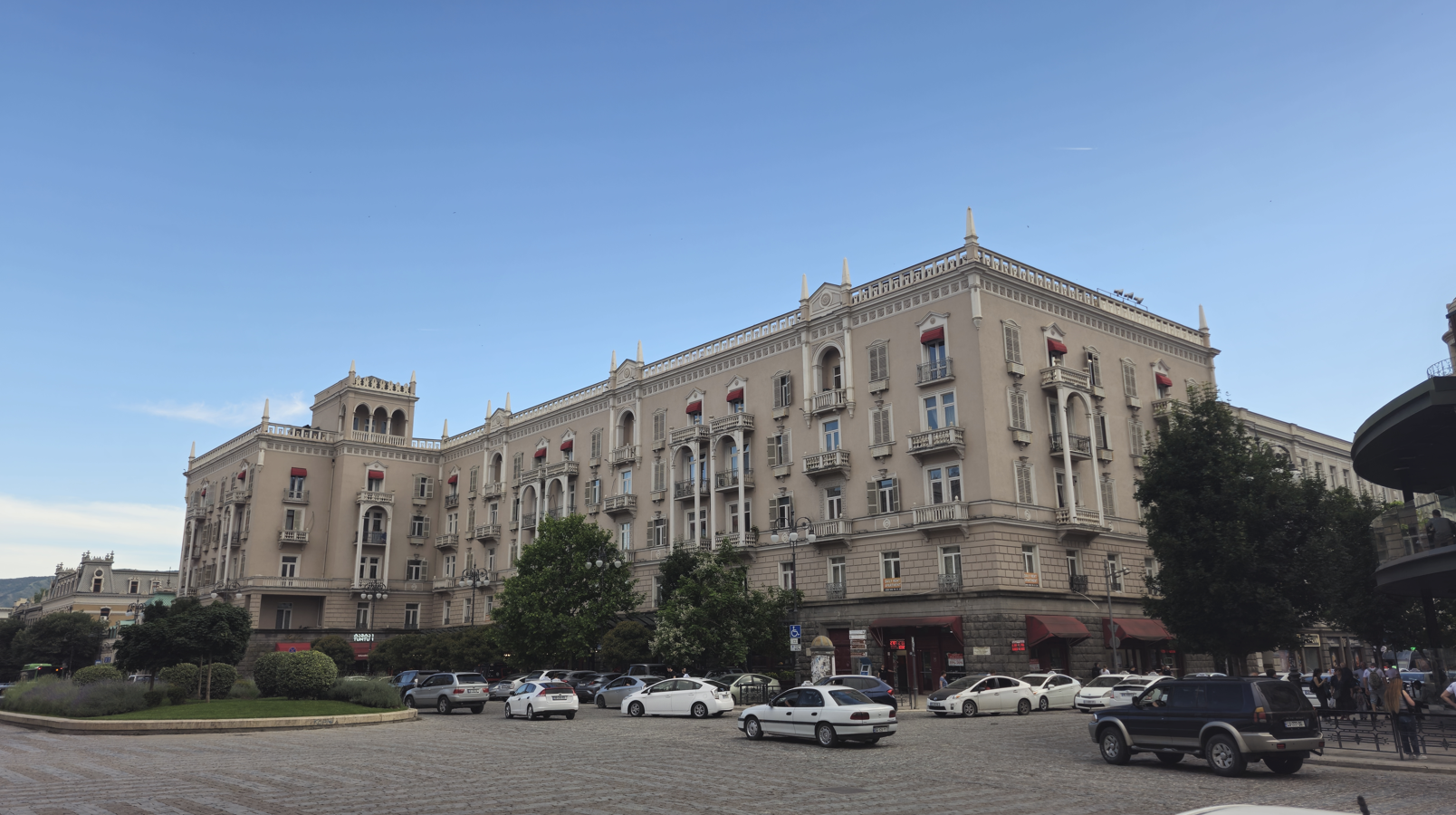
Former Institute of Marxism-Leninism
This imposing building stands on Freedom Square in Tbilisi. Constructed during the Soviet era, it originally housed the Institute of Marxism-Leninism. The building is a prominent example of Stalinist architecture. After the collapse of the Soviet Union, the building has been repurposed, but it remains a landmark of Tbilisi's urban landscape.
📍Tbilisi
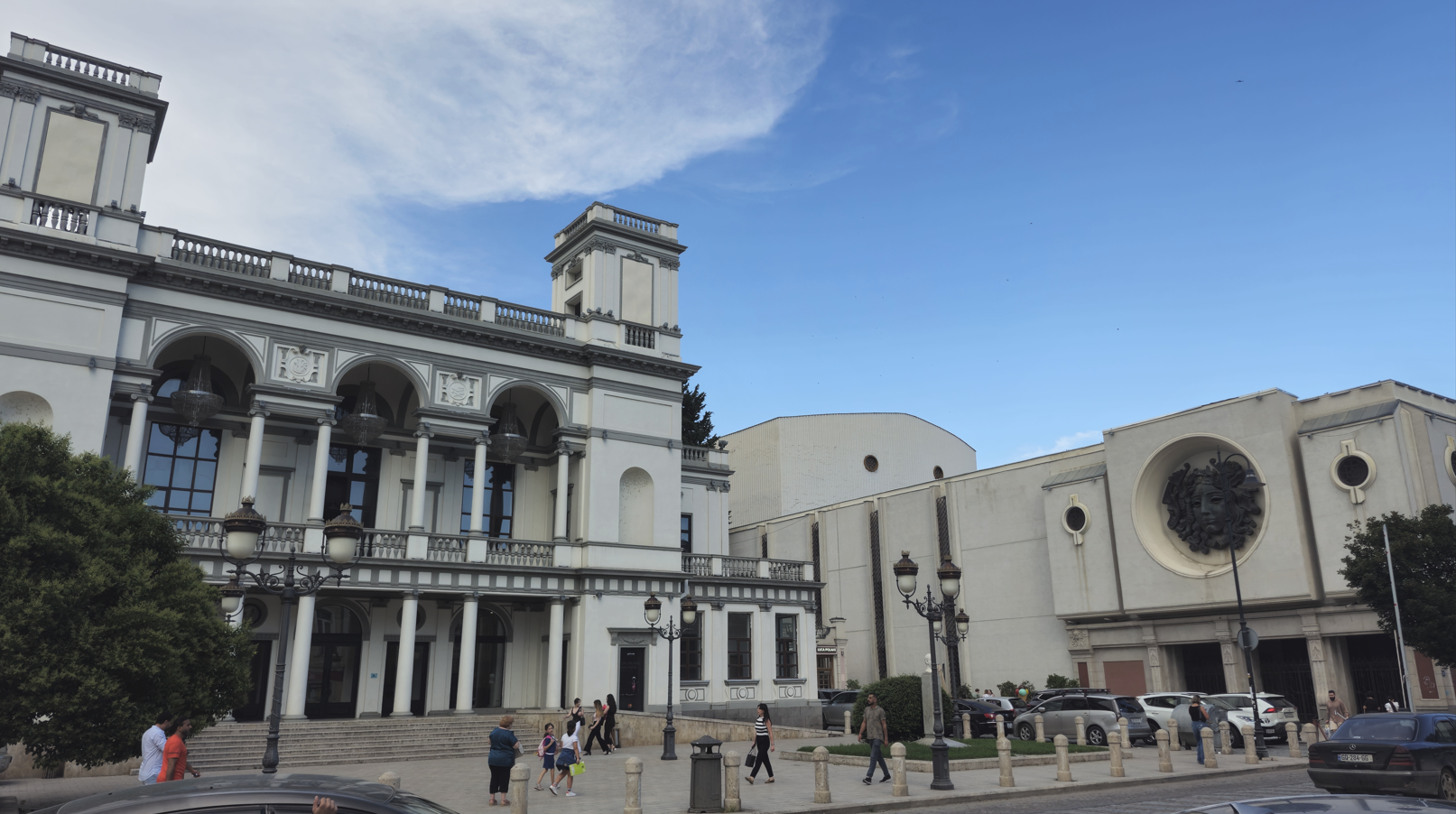
Zakaria Paliashvili Tbilisi Opera and Ballet Theatre
The Zakaria Paliashvili Tbilisi Opera and Ballet Theatre is the main opera house of Georgia, located in Tbilisi. Founded in 1851, it is the oldest theatre in Georgia. The current building, with its distinctive neo-Moorish architectural style, was inaugurated in 1896 after a fire destroyed the original structure.
📍Tbilisi
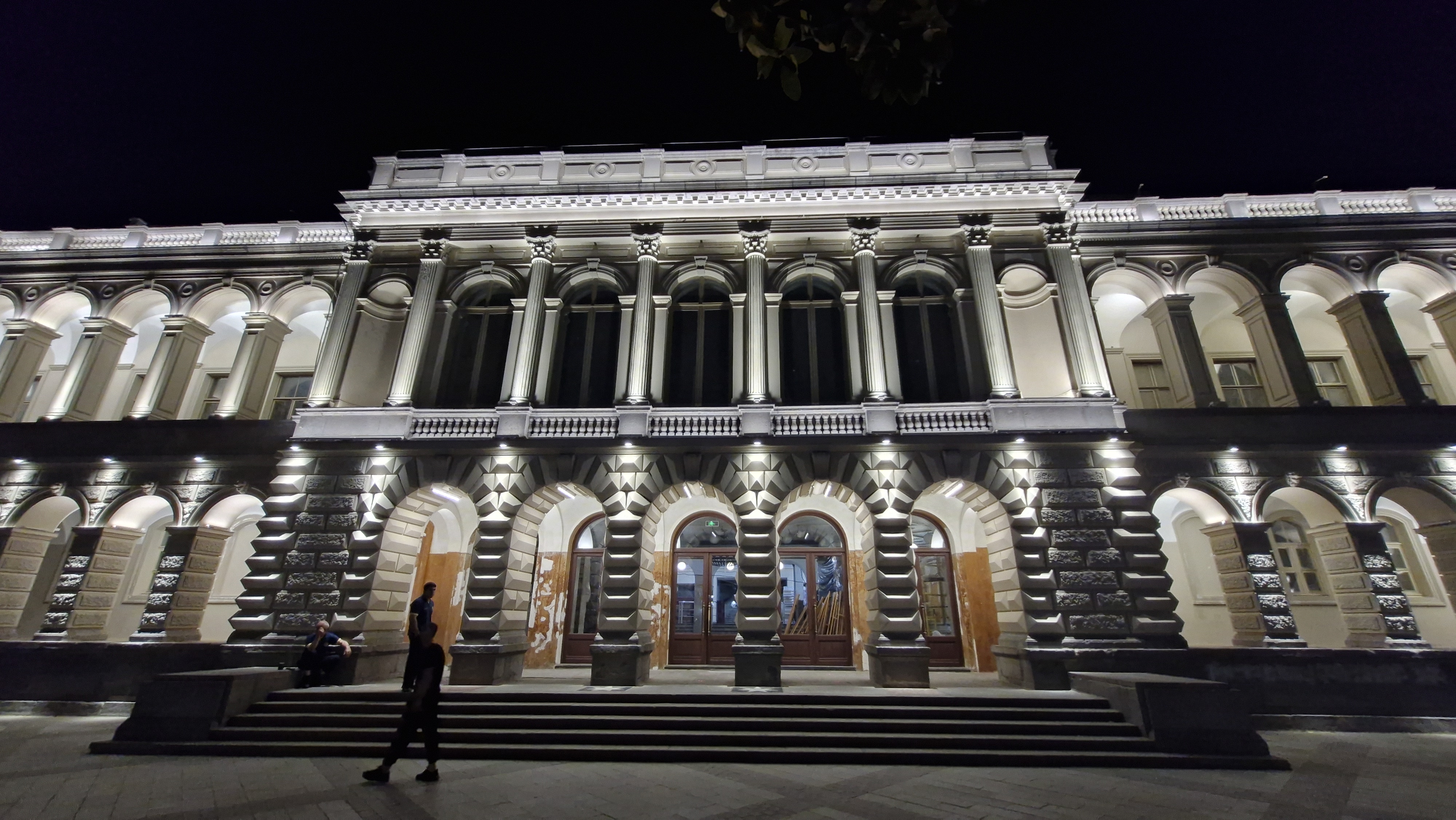
National Museum of Georgia
The National Museum of Georgia is one of the leading museums in the country, showcasing Georgia's rich history and culture. Its collections include archaeological finds, ethnographic materials, and works of art, spanning from the Bronze Age to the present day. The museum plays a crucial role in preserving and promoting Georgia's cultural heritage, offering visitors a comprehensive overview of the nation's past. Its iconic neoclassical building is a landmark in Tbilisi.
📍Tbilisi
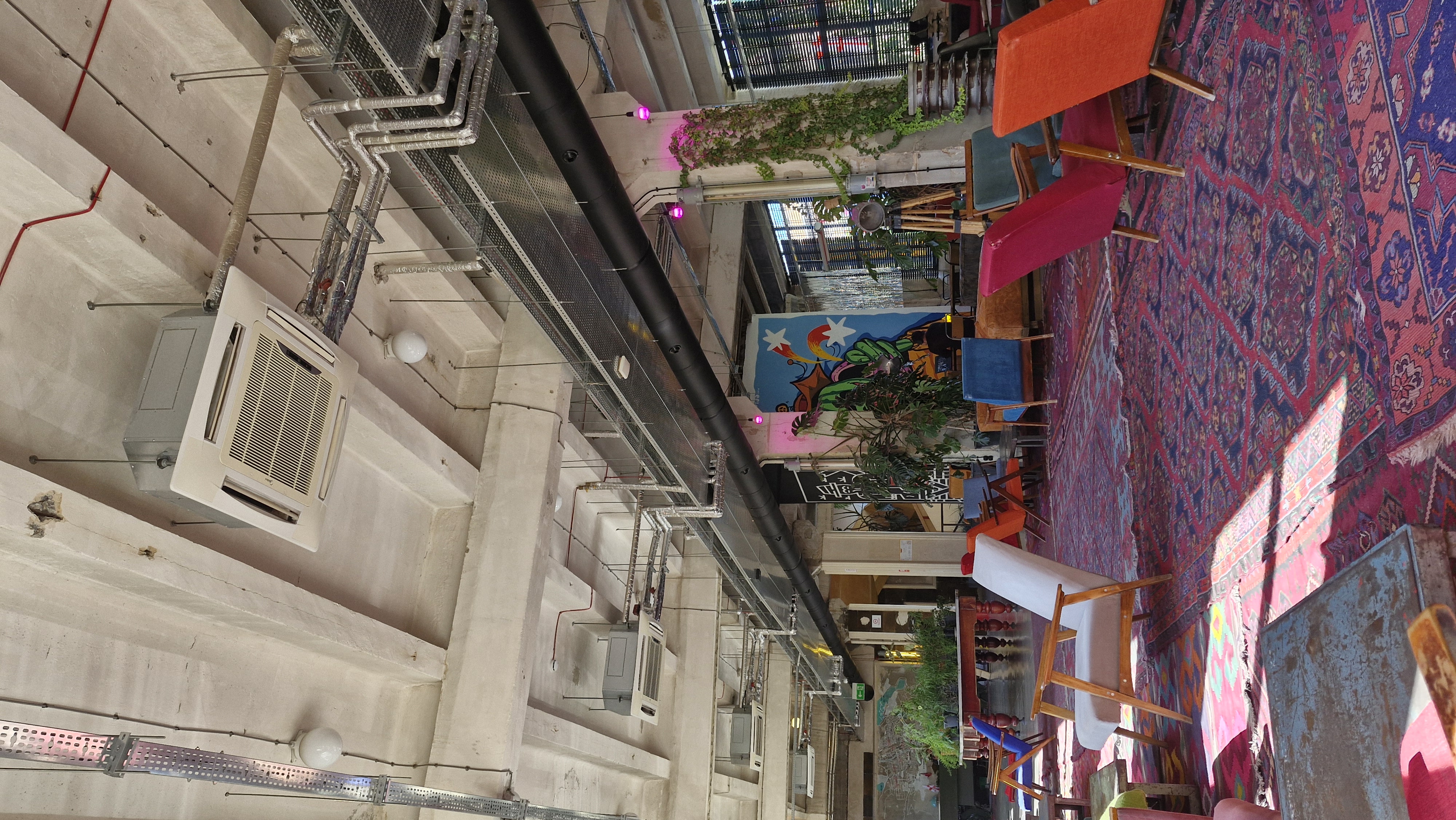
The pictured interior showcases post-industrial design, a style that often repurposes old factories and warehouses, retaining elements such as exposed pipes, concrete pillars, and ductwork as design features. This style gained momentum towards the end of the 20th century, finding appeal for its functional, raw aesthetic. The fusion with modern furniture and colorful accents creates a trendy, urban atmosphere. This type of renovation offers a unique blend of the old and the new.
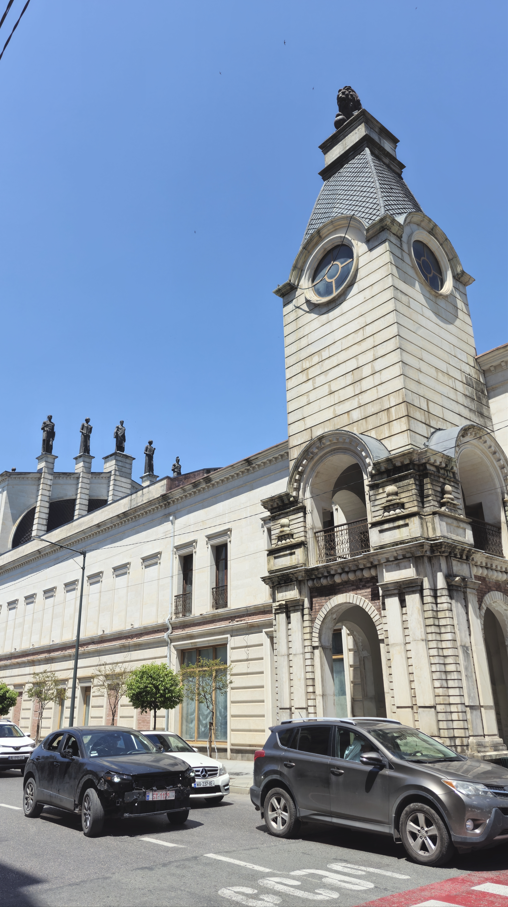
Tbilisi State Opera and Ballet Theatre
The Tbilisi State Opera and Ballet Theatre of Georgia, formerly known as the Tiflis Imperial Opera House, was founded in 1851. Its reconstruction after a fire in 1874 incorporated elements of Moorish Revival architecture. The theatre holds a significant place in Georgian cultural history, hosting numerous prominent opera and ballet performances over the centuries and is one of the oldest opera houses in Eastern Europe.
📍Tbilisi
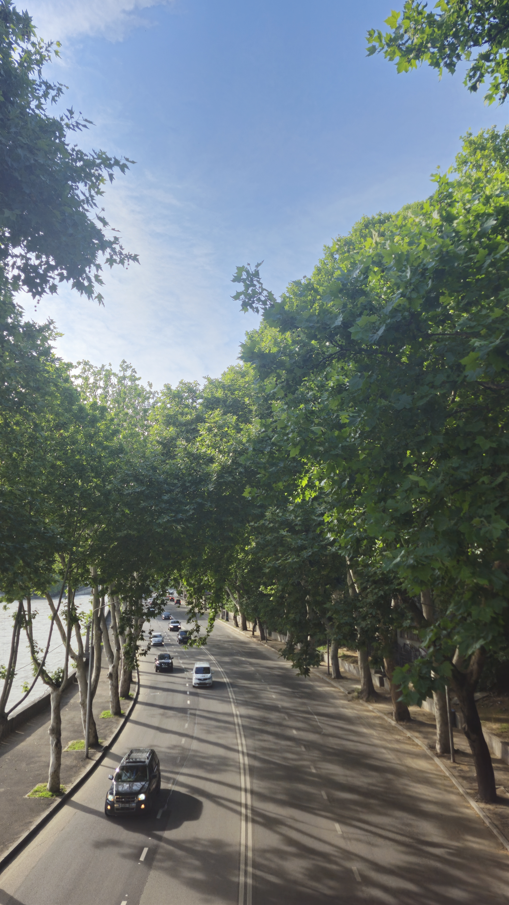
The urban landscape of Tbilisi, Georgia, is known for its vibrant mix of architectural styles, from medieval to modern. Tree-lined avenues are a common feature, providing shade and greenery in the bustling city. Tbilisi sits on the banks of the Mtkvari River and enjoys a strategic location at the crossroads of Europe and Asia. This has shaped its history as a center of trade and culture.
📍Tbilisi
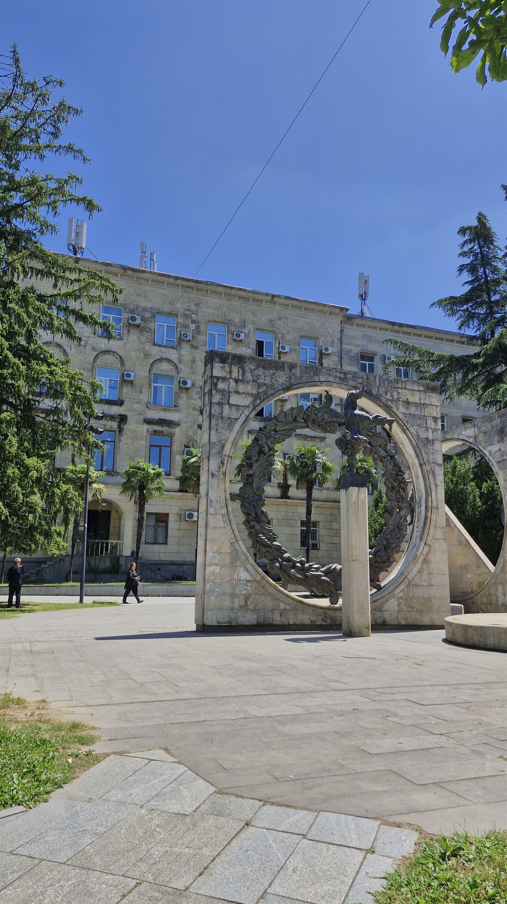
This monument appears to be a war memorial or monument dedicated to Georgian heroes. Such monuments serve as prominent landmarks in Georgian cities, often featuring symbolic wreaths, sculptures, and inscriptions commemorating those who have sacrificed for the nation. Public squares and parks are important spaces for Georgian citizens to gather, reflect, and remember significant historical events. These memorials contribute to the collective memory and national identity.