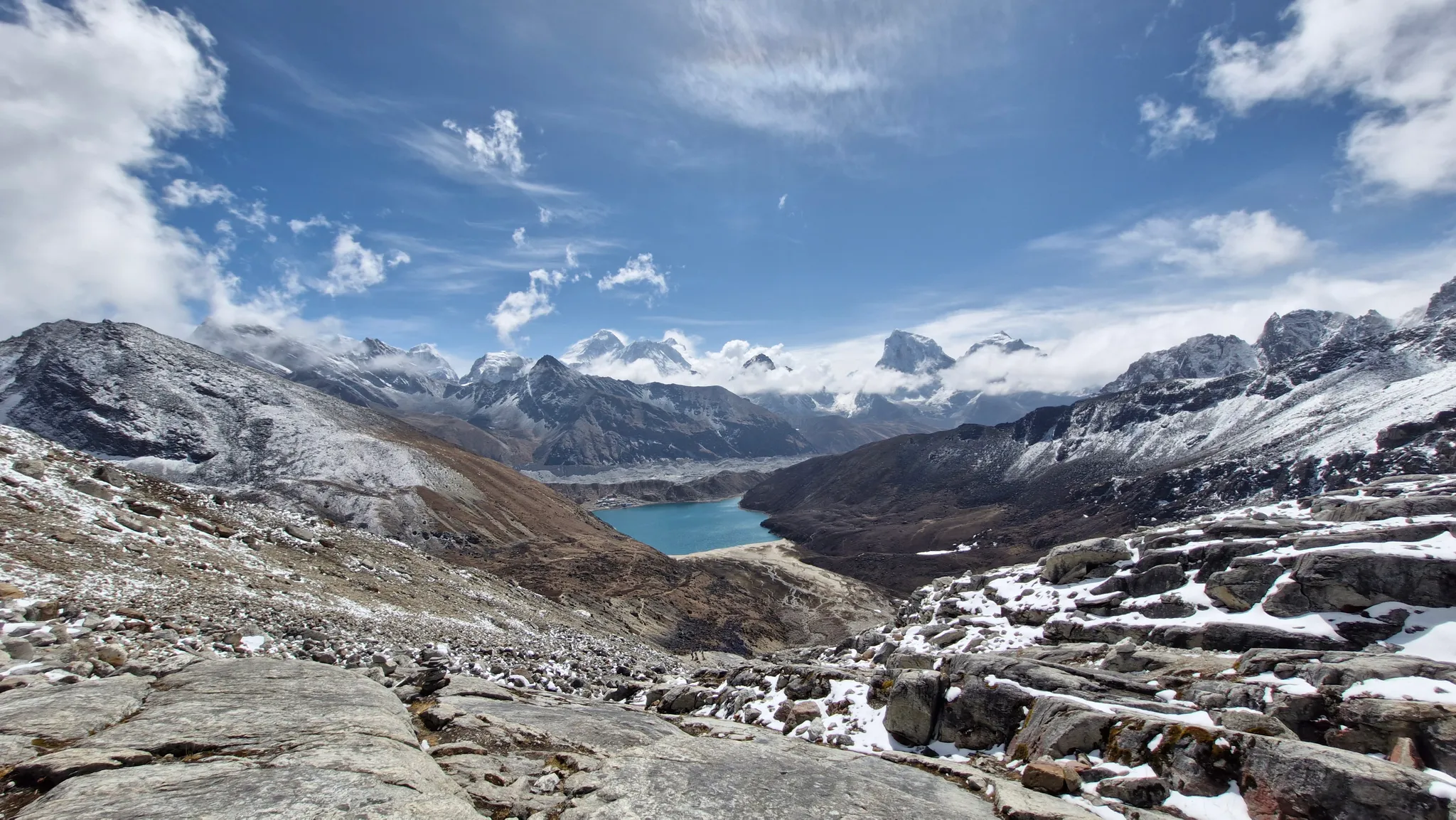
Day 1 - Puiya
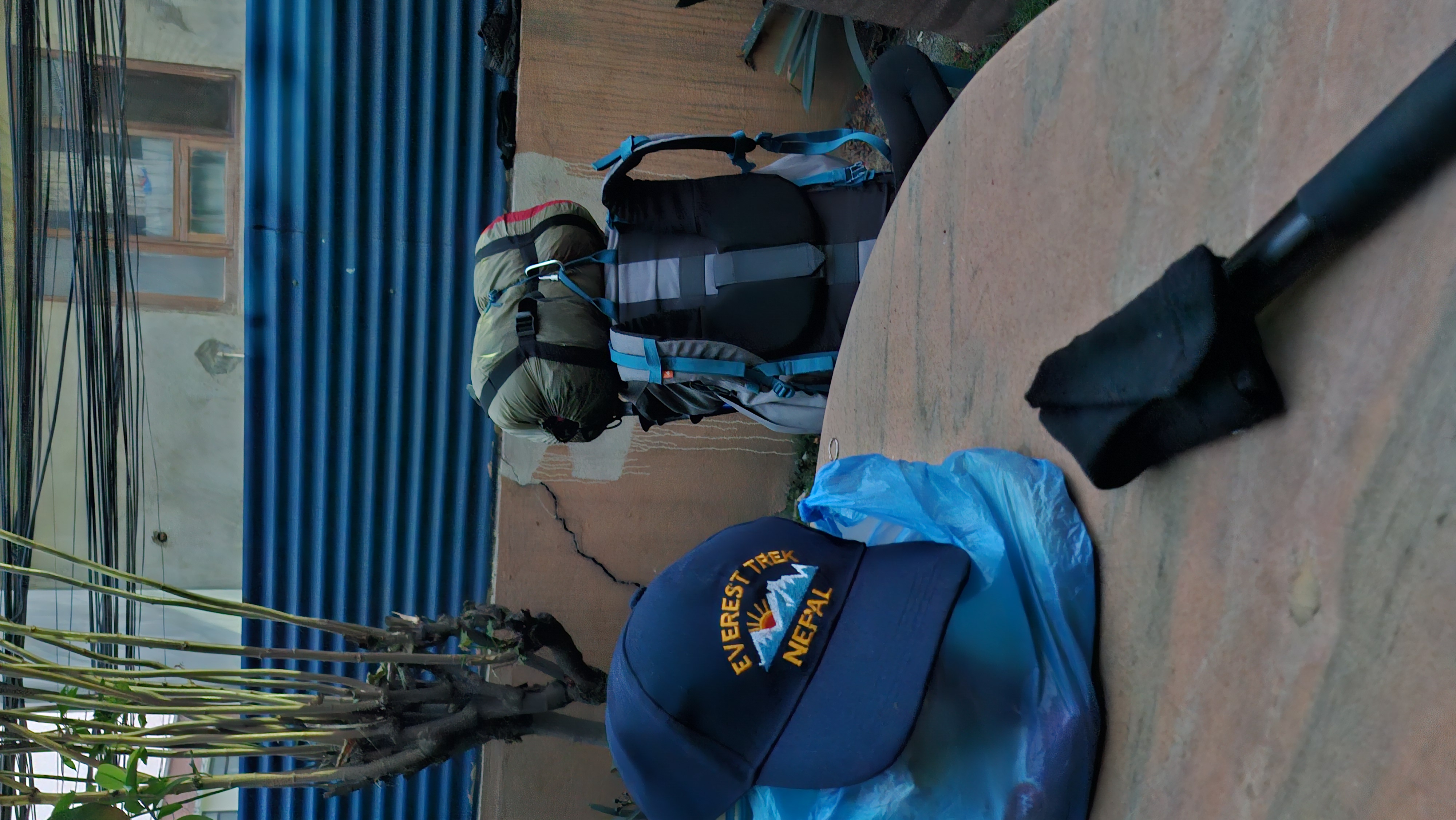
Everest Trek Nepal Cap
Purchasing souvenirs like the Everest Trek Nepal cap supports the local economy in the Himalayan region contributing to the livelihoods of artisans and small business owners. Tourism related to Mount Everest and trekking expeditions provides significant economic opportunities for communities in Nepal. The cap symbolizes a personal connection to the mountains and serves as a remembrance of the journey.
📍Himalayas
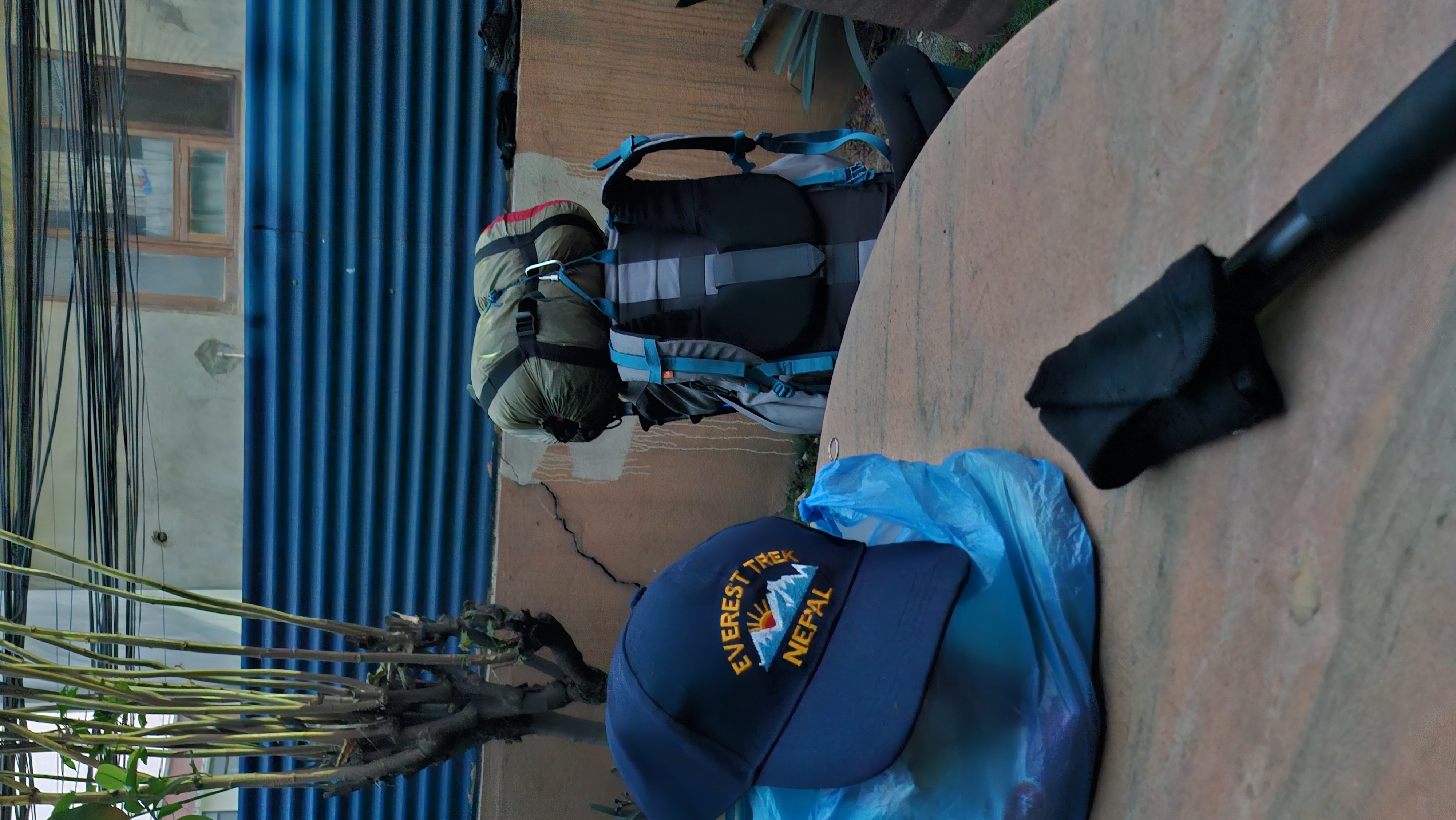
Backpacking and trekking are popular ways to experience the Himalayas, attracting adventurers from around the world. The Everest region, in particular, draws many who seek views of the world's highest peak. Trekkers typically require a range of equipment, including sturdy backpacks, sleeping bags, and appropriate clothing and accessories to handle the varied and challenging terrain.
📍Everest Region
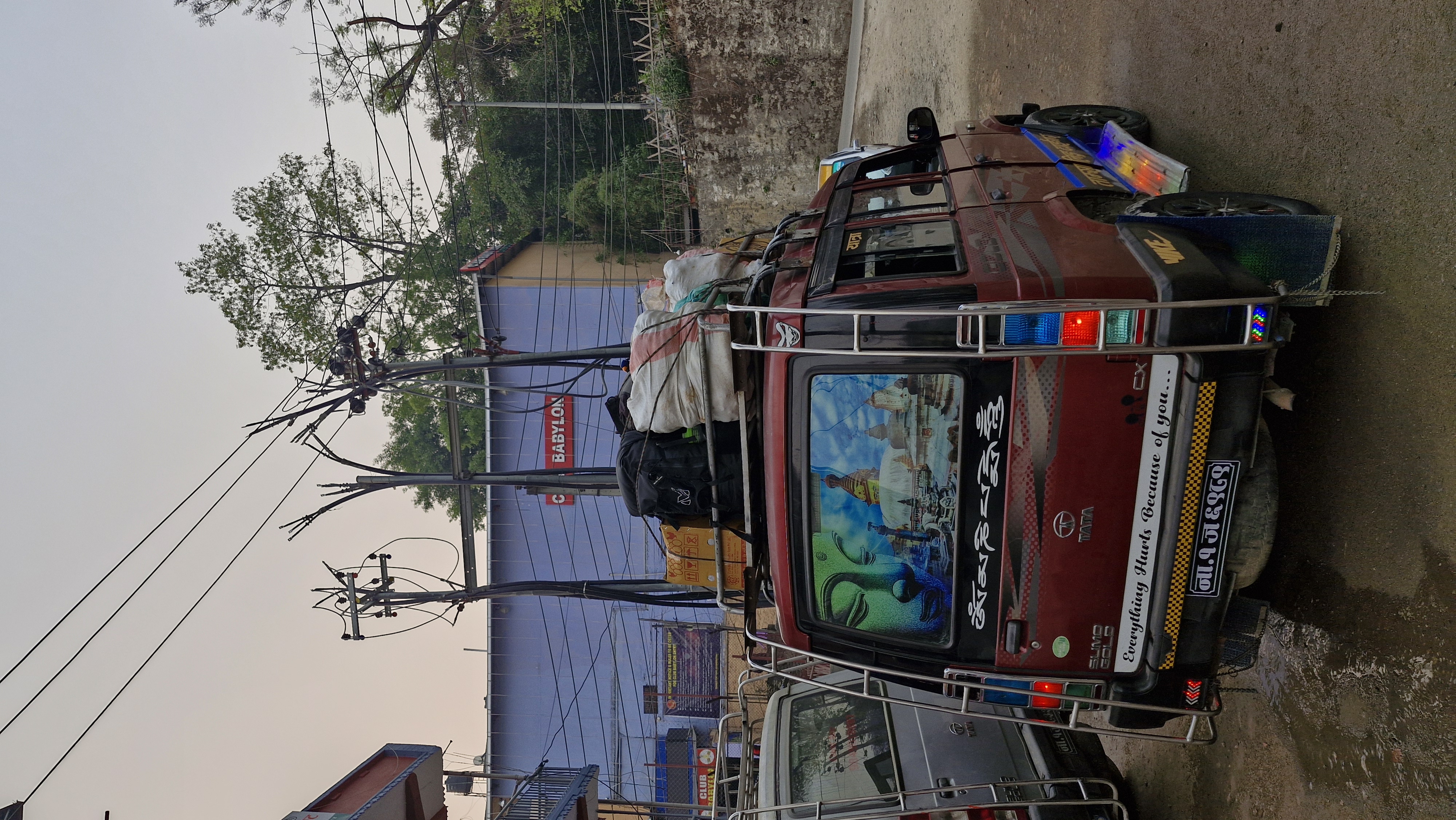
Tata Sumo Gold
The Tata Sumo is a SUV produced by the Indian automobile manufacturer Tata Motors since 1994. The Sumo was conceived as a utility vehicle, designed to compete with similar vehicles such as the Maruti Suzuki Gypsy. Its design focused on space and practicality rather than off-road ability.
📍Puiya
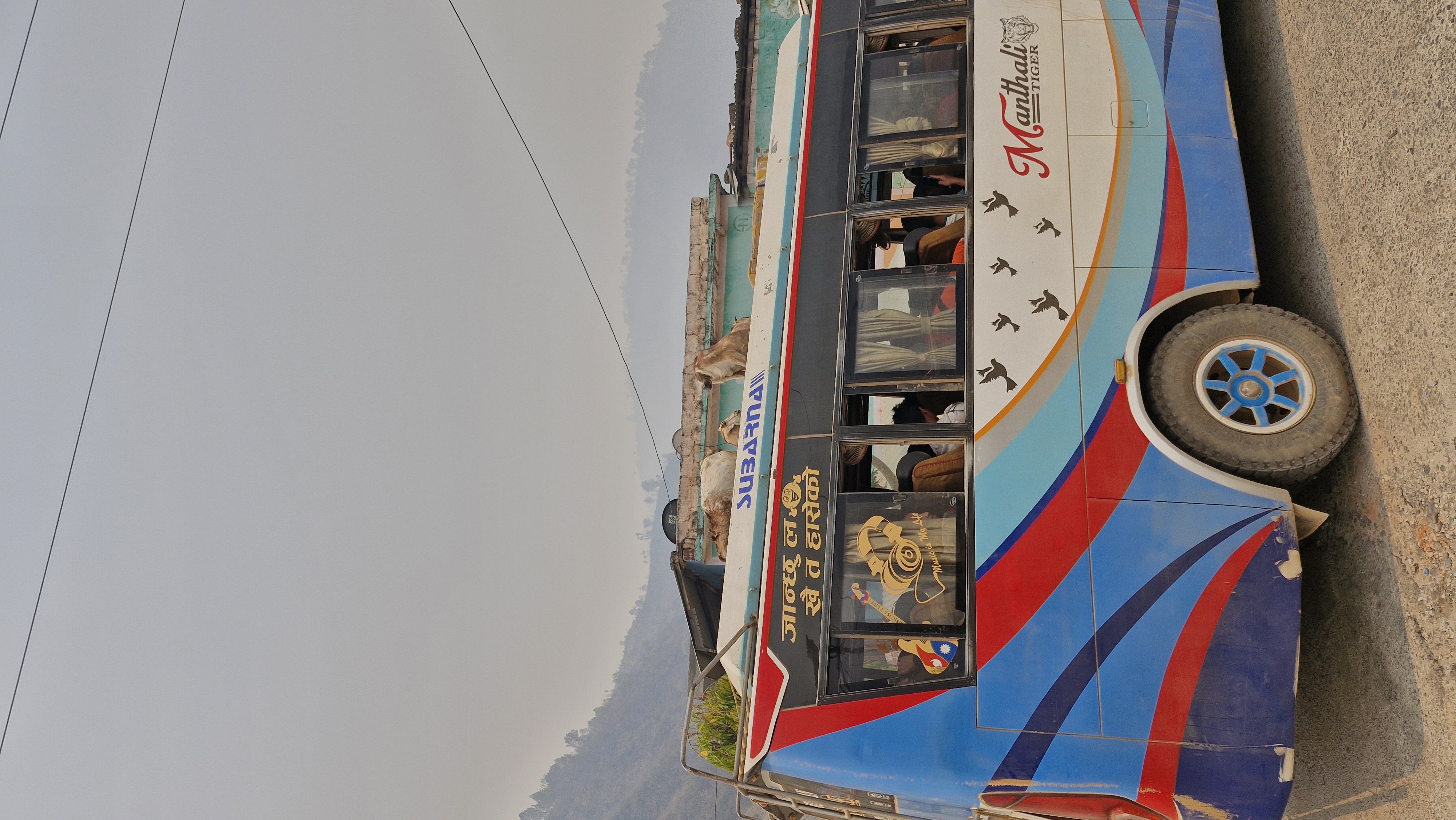
Buses are a common mode of transportation in Nepal, especially for long-distance travel and reaching remote mountain regions. Highly decorated buses are part of the culture and often feature colorful paintings, slogans, and religious imagery. These buses frequently navigate challenging terrains and are a vital link connecting communities across the mountainous landscape. They provide affordable transport for locals and adventurous tourists alike.
📍Himalayas
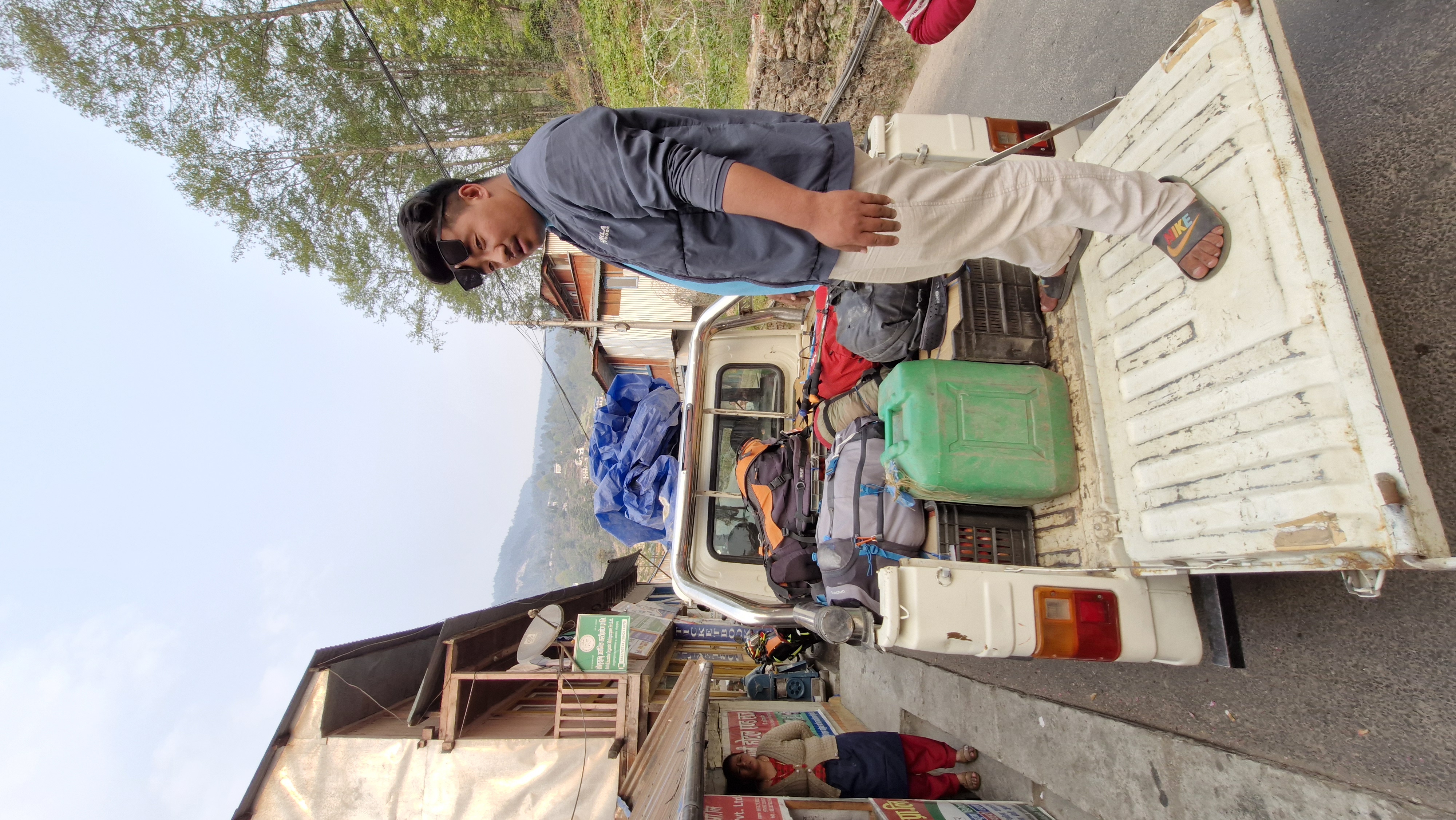
In remote regions of the Himalayas, pickup trucks like the one often serve as vital transport for both people and goods. Due to the poor road infrastructure in many areas, these rugged vehicles are essential for connecting isolated communities. They are commonly used to transport supplies, equipment, and even passengers over difficult terrain. The arrangement seen reflects the resourcefulness and necessity of utilizing every available space for cargo and people.
📍Puiya
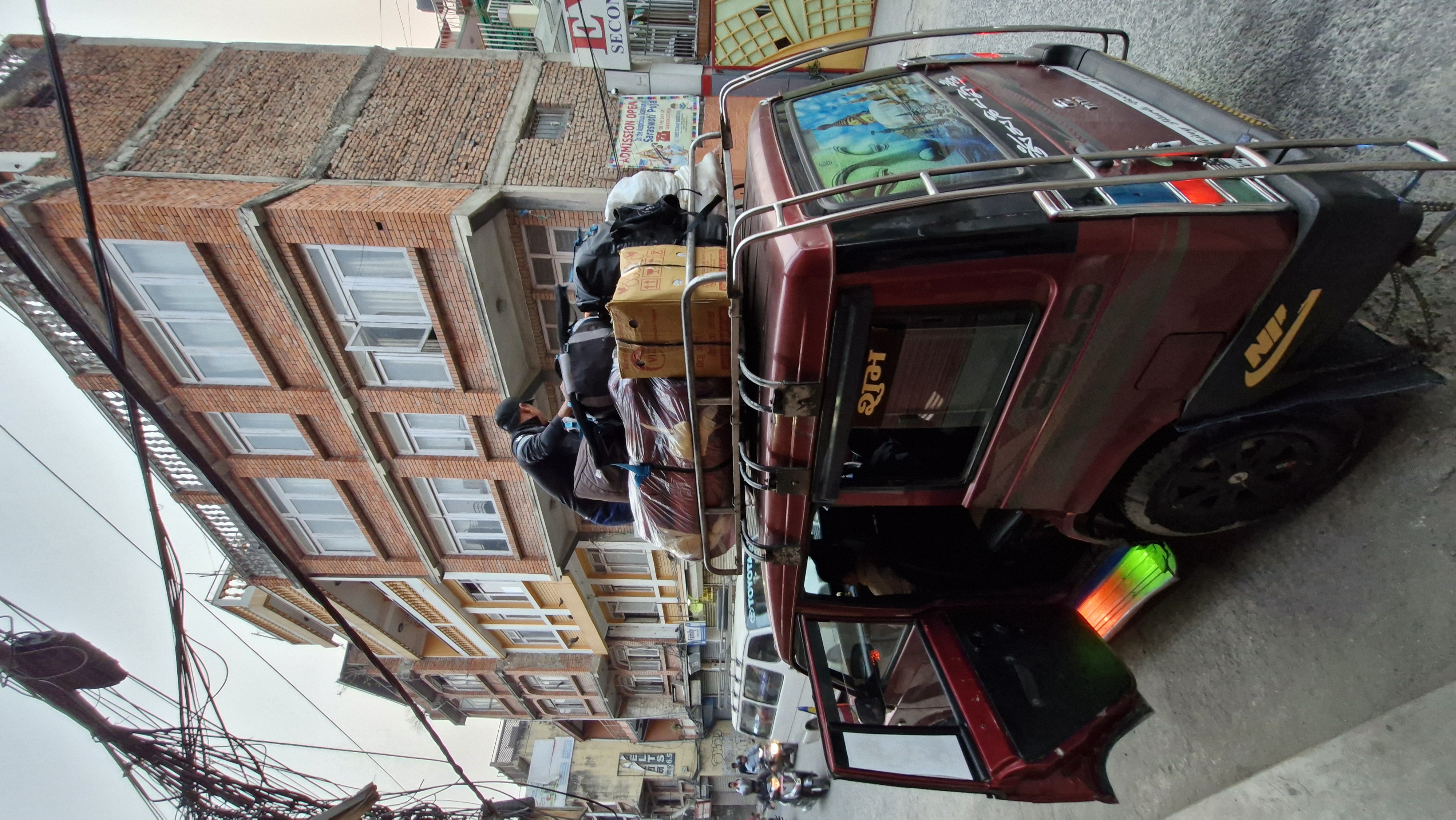
Auto rickshaws, also known as "Tempos" in Nepal, are a common mode of transportation in many South Asian countries including Nepal. These three-wheeled vehicles are often brightly decorated and offer a relatively inexpensive way to navigate crowded urban areas. They contribute to the bustling atmosphere of cities and towns throughout the region and are a ubiquitous part of the local landscape. Passengers sit in a covered cabin, while the driver operates from the front, often amidst heavy traffic and narrow streets.
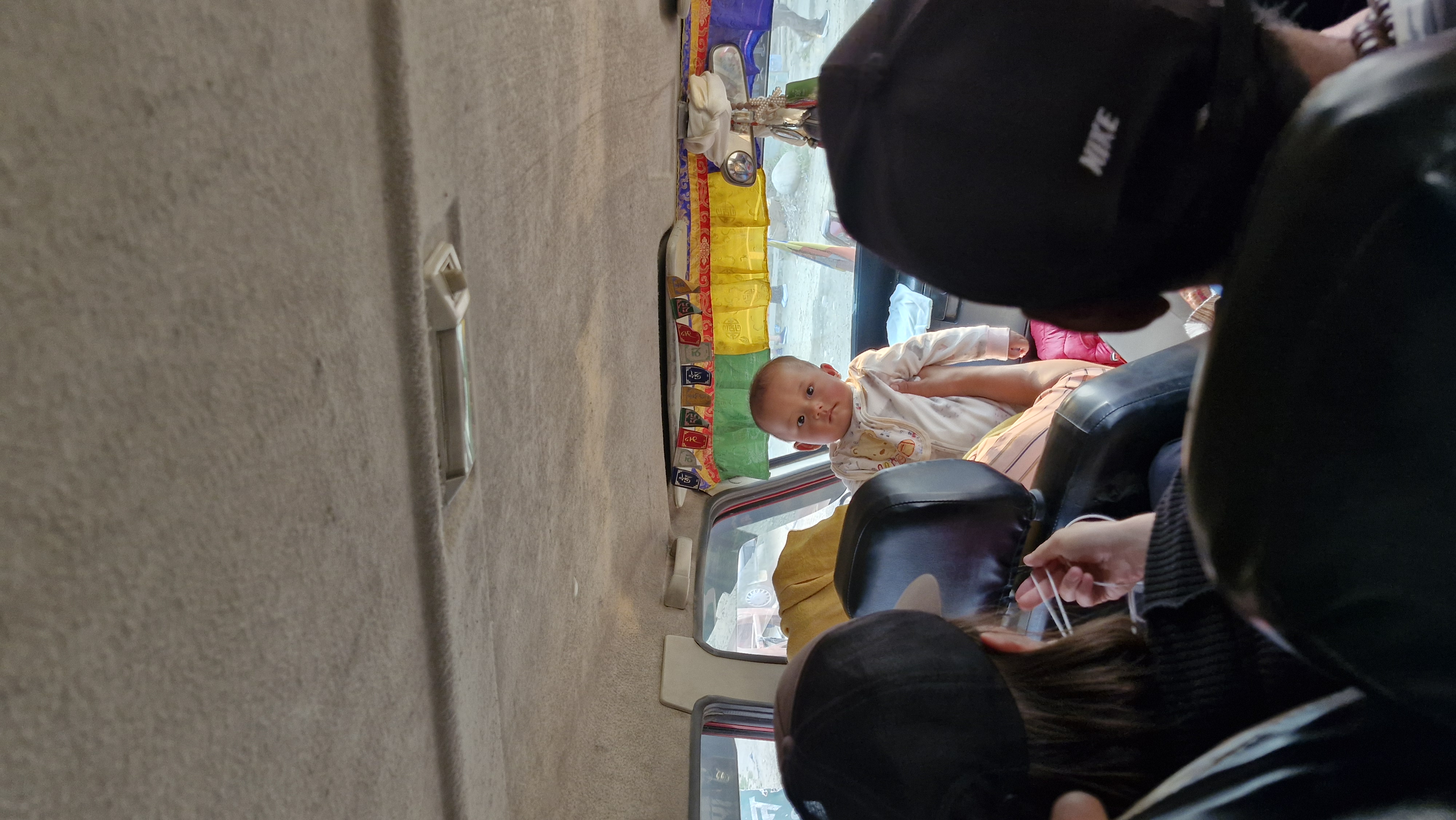
Traveling by jeep or similar vehicles is very common in mountainous terrains of the Himalayas. Due to limited road infrastructure and difficult terrain, private vehicles or shared jeeps are often the only means of reaching remote villages and popular treks. These rides can be long and bumpy, but they offer unique views and access to areas otherwise inaccessible.
📍Himalayas
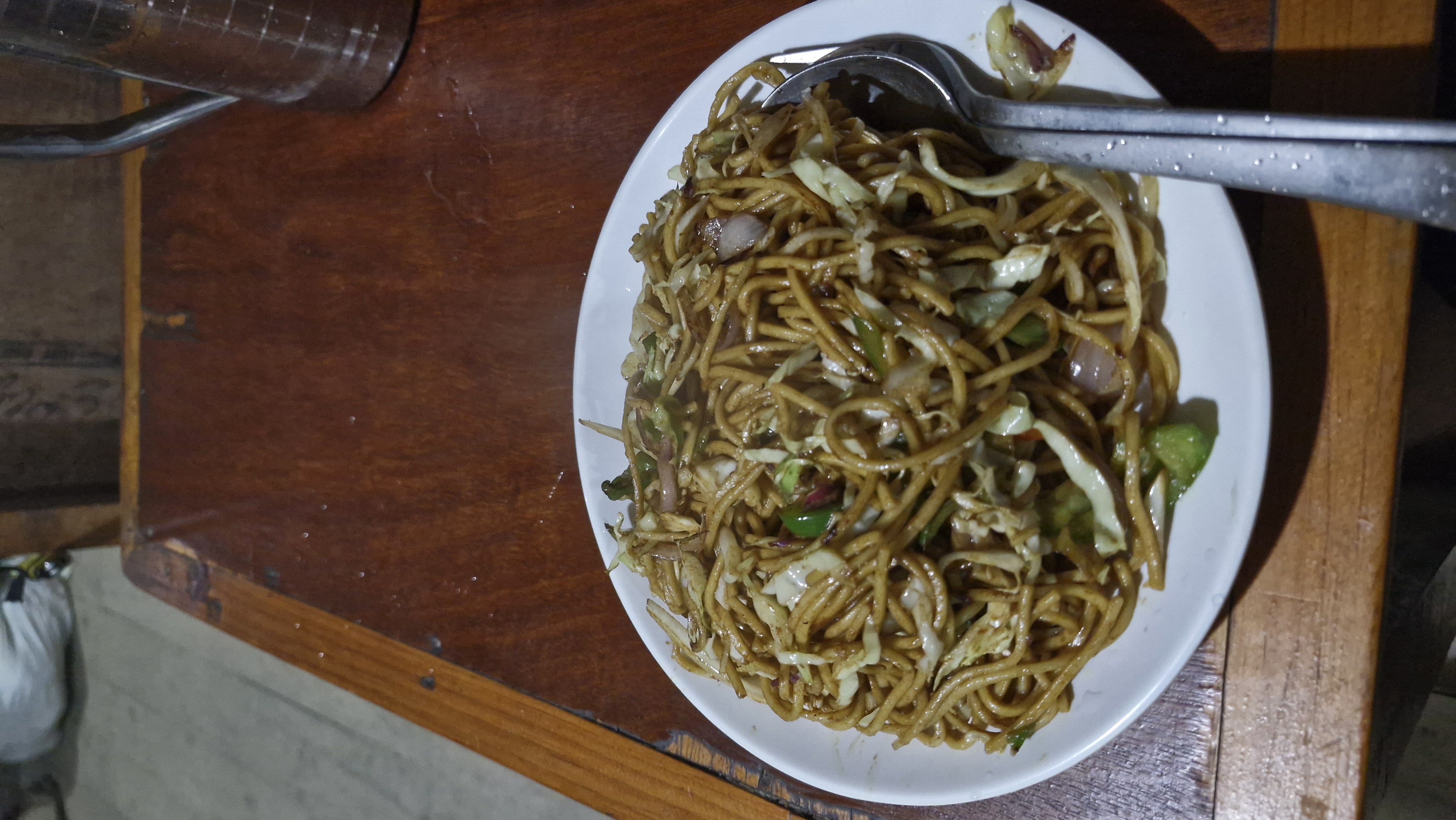
Chow Mein
Chow mein, a popular dish in the Himalayas, exemplifies the fusion of culinary traditions. It originated in China and has been adapted locally, using readily available ingredients. Its presence reflects the historical trade and cultural exchange between China and the Himalayan regions, providing a hearty and familiar meal for travelers and locals alike. It is often made with noodles, vegetables, and sometimes meat or tofu.
📍Himalayas
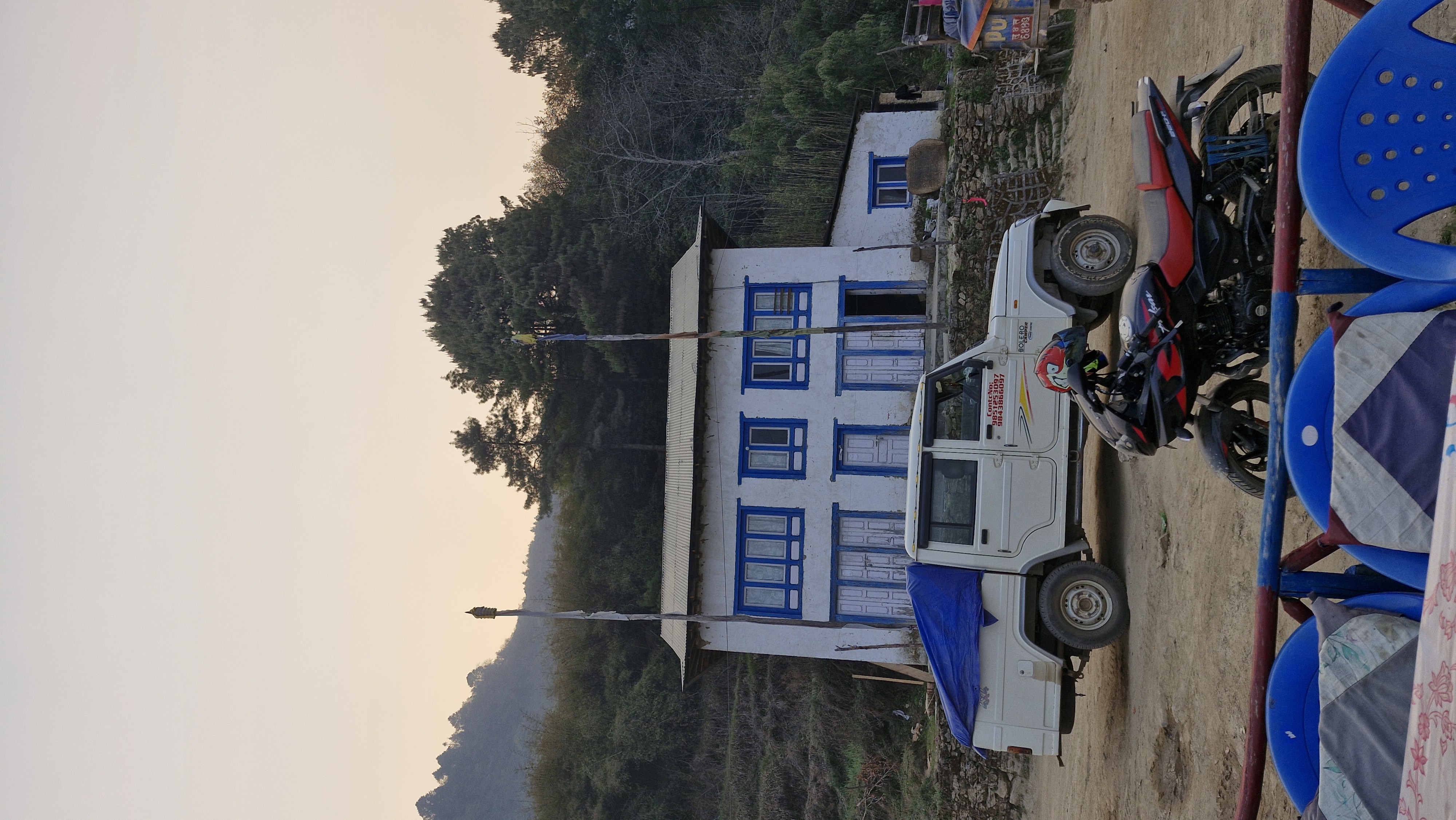
Traditional Nepali houses in the lower Himalayas often feature multiple stories and are constructed from stone or brick with wooden frames. Distinctive, brightly painted window frames are a common aesthetic element. These residences are designed to withstand the seismic activity prevalent in the region and to provide refuge from the elements.
📍Himalayas
Day 2 - Phagding
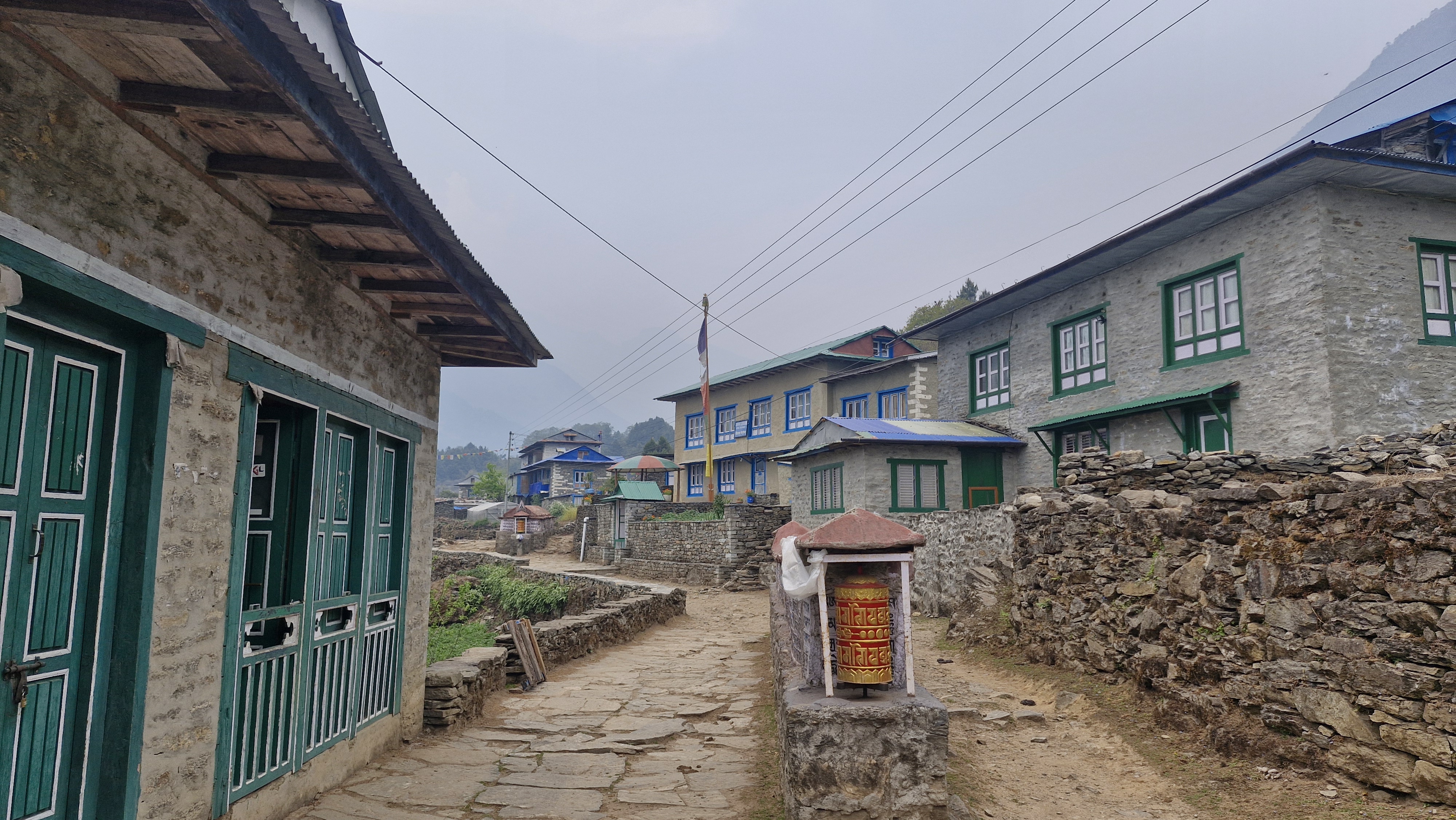
The villages in the Khumbu region of Nepal feature a traditional architectural style. Stone buildings with wooden window frames and corrugated metal roofs are common. These structures are designed to withstand the harsh climate and provide shelter for residents and trekkers alike. Prayer wheels, often found along paths and in public spaces, are integral to Buddhist practice in the region, with devotees spinning them to accumulate merit and send prayers into the world.
📍Phagding
1–10 of 191 photos