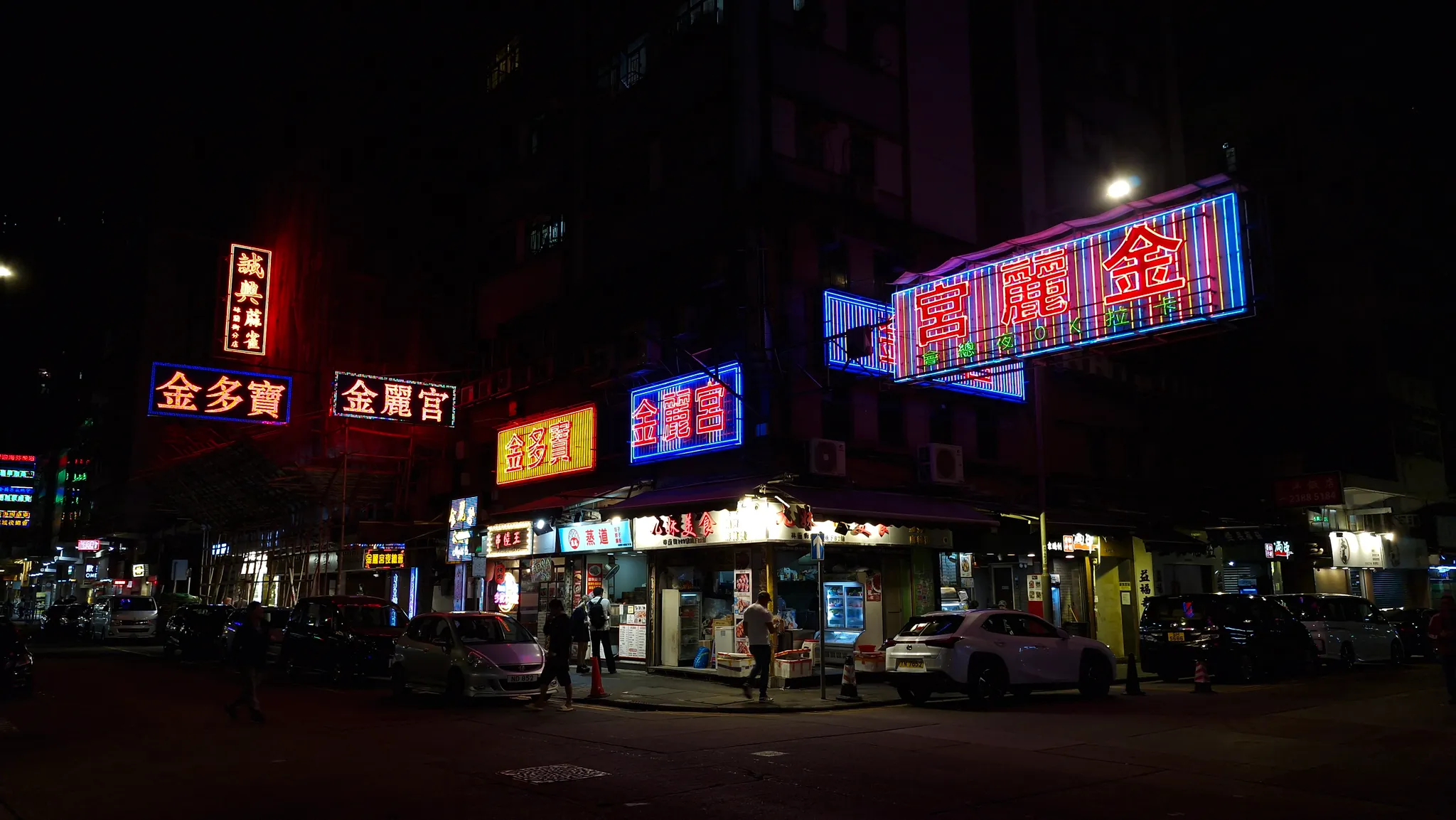
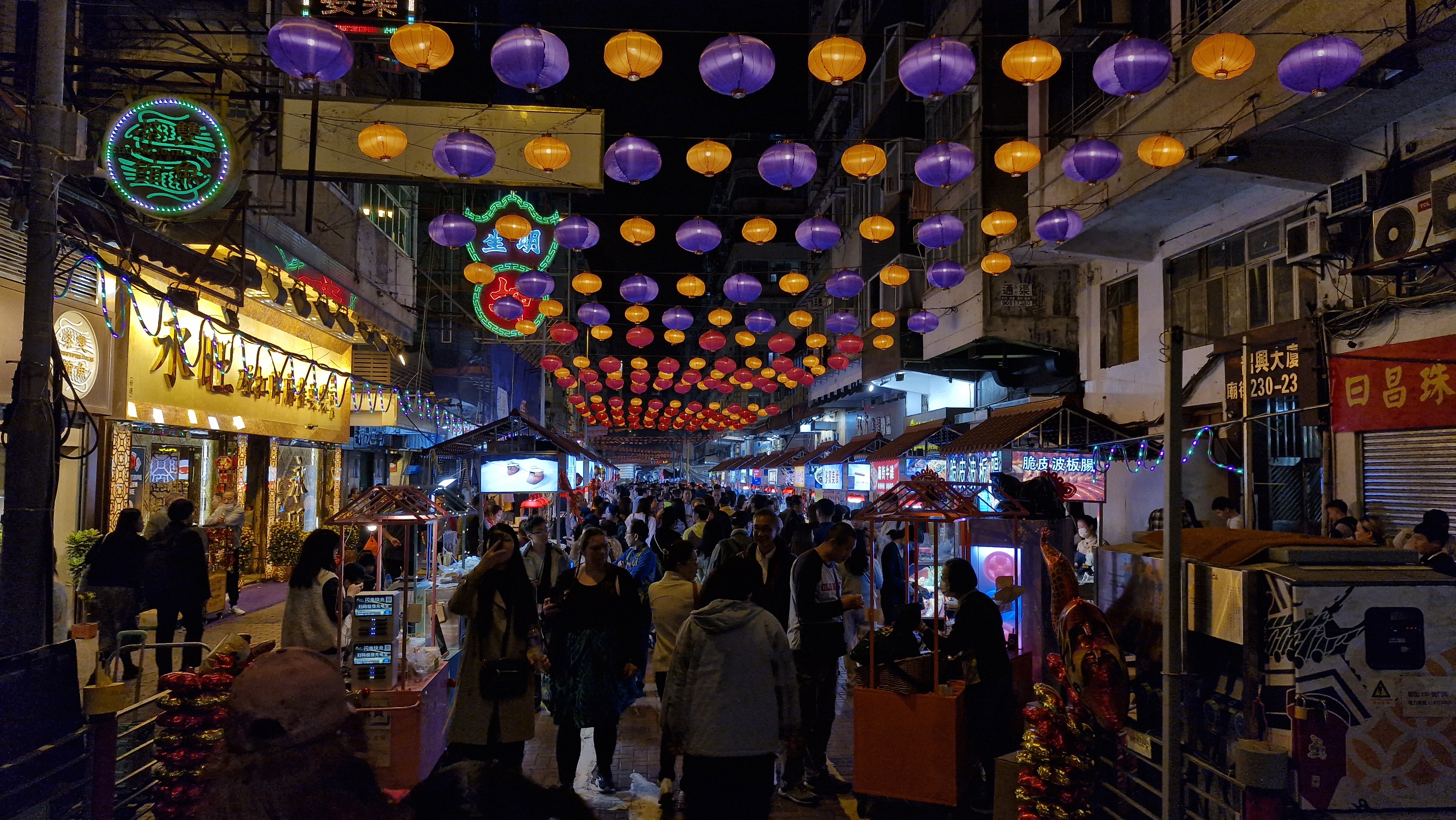
Temple Street Night Market
Temple Street Night Market in Hong Kong is famous for its vibrant atmosphere, fortune tellers, street food, and diverse range of goods. It gains its name from the Tin Hau Temple located in the area, dedicated to the goddess of the sea. The market traditionally opens in the late afternoon and continues until late at night, attracting both tourists and locals alike. It provides a glimpse into the bustling street life and traditional culture of Hong Kong.
📍Hong Kong
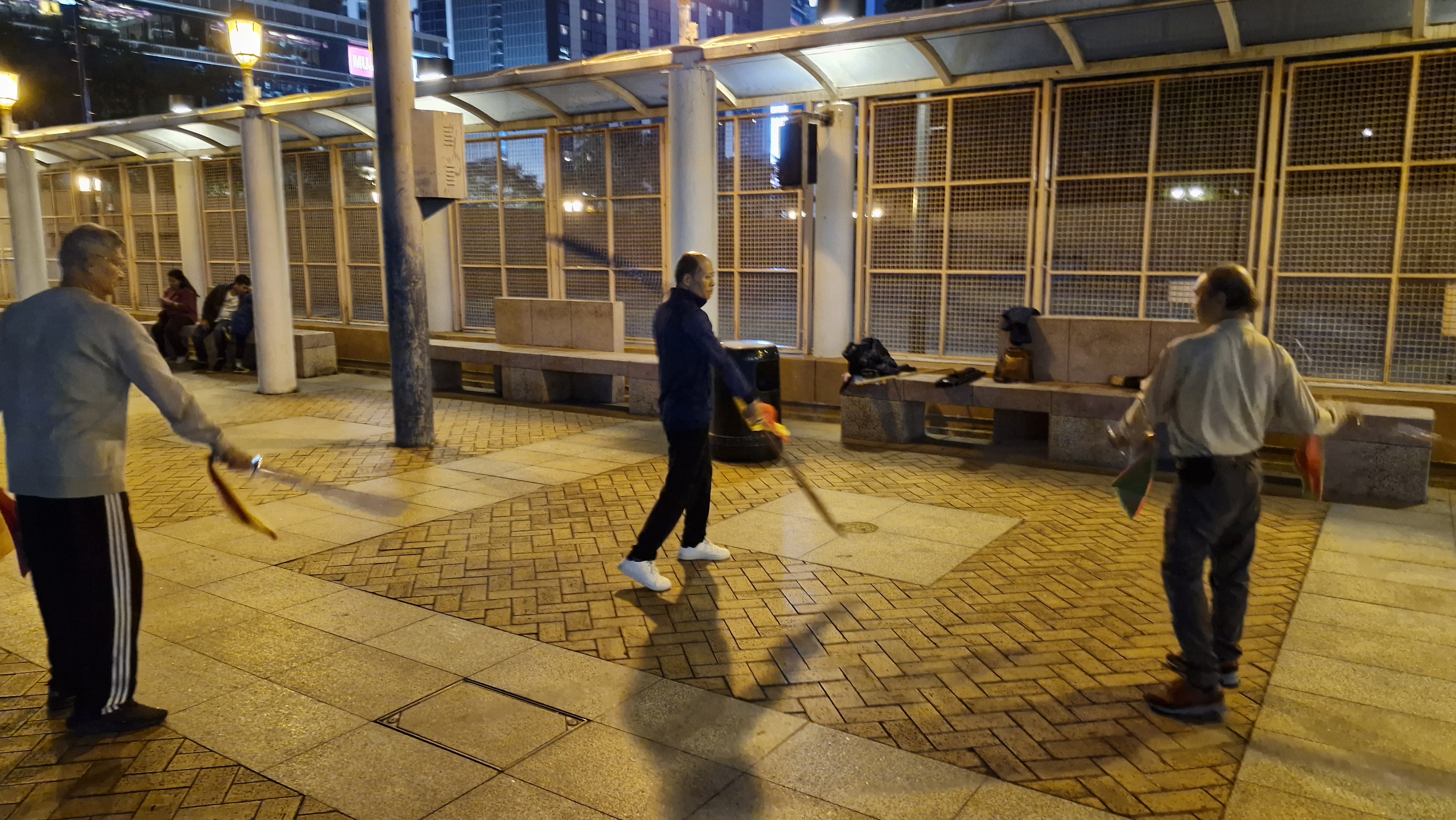
Practicing Tai Chi is a common early morning activity in Hong Kong's parks and public spaces. This gentle form of exercise, rooted in traditional Chinese medicine and martial arts, promotes physical and mental well-being. It involves a series of slow, flowing movements and controlled breathing, enhancing balance, coordination, and relaxation. Tai Chi provides a sense of community and cultural connection for older adults in the densely populated urban environment.
📍Hong Kong
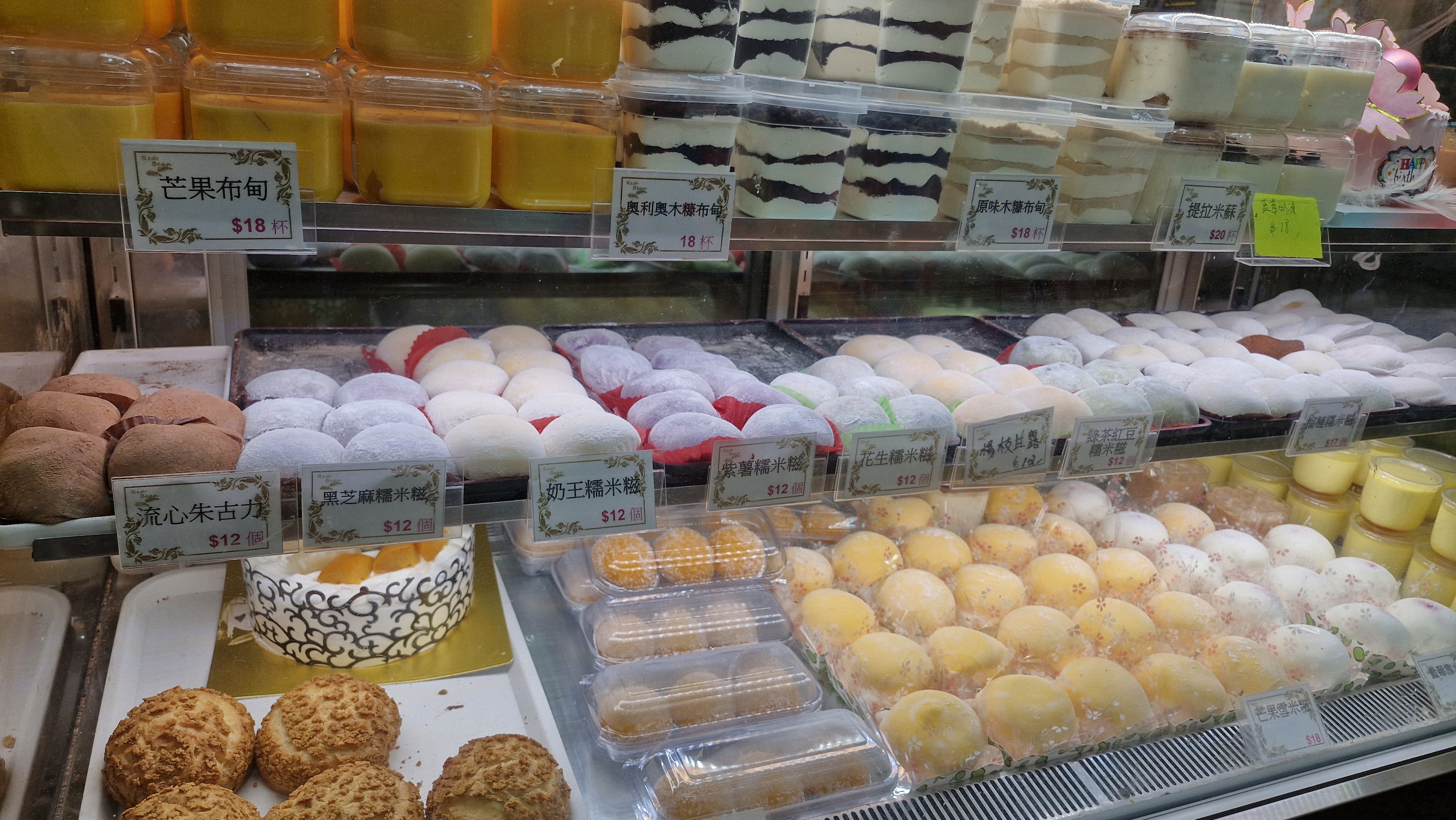
Mochi
Mochi is a Japanese rice cake made of glutinous rice. It's a popular snack and dessert enjoyed throughout Asia and beyond, with regional variations in flavor and preparation. In Hong Kong, you'll often find mochi in flavors like mango, black sesame, and red bean paste, sold individually or in packs.
📍Hong Kong
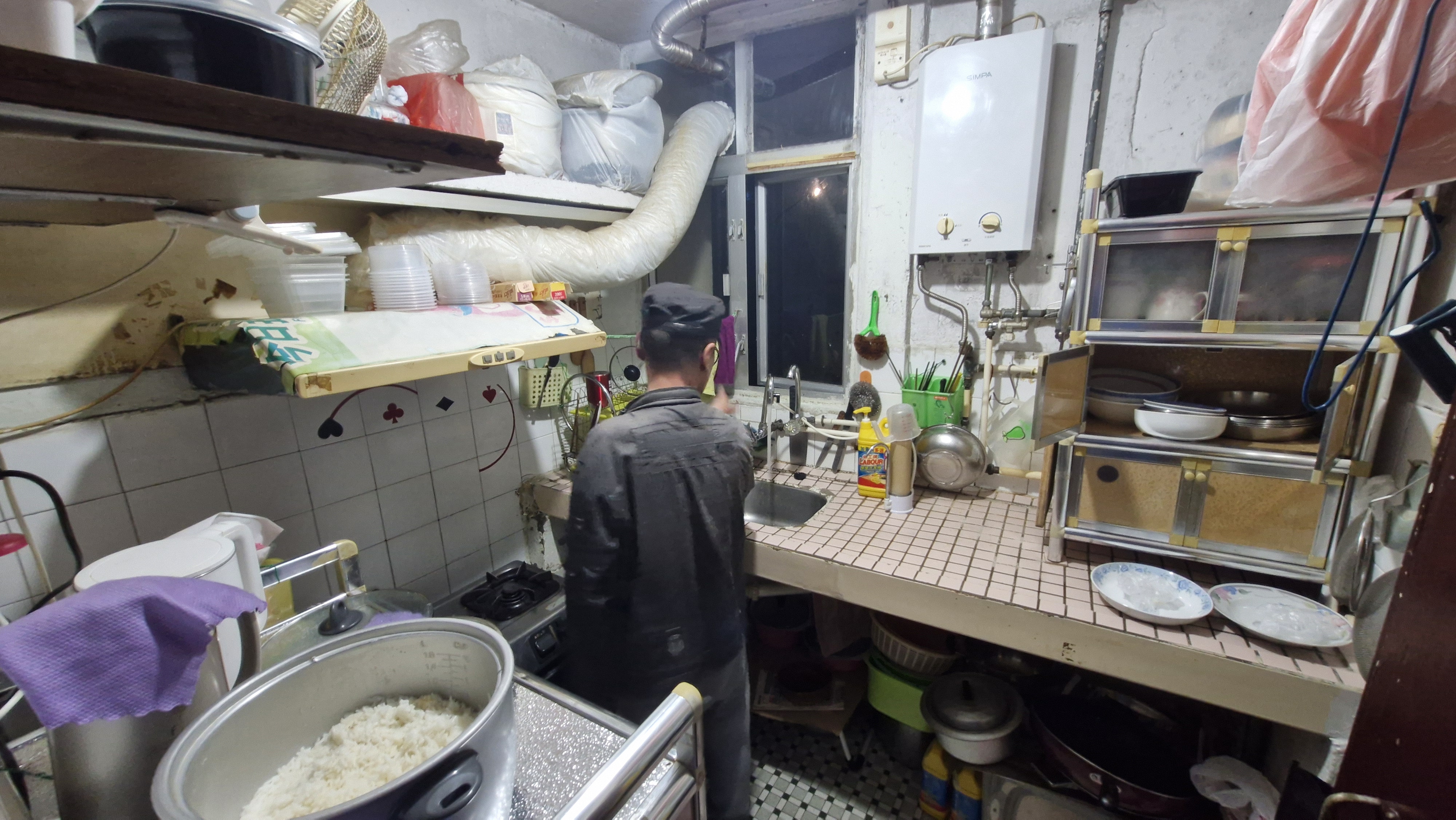
Hong Kong housing often prioritizes functionality and density due to limited space. Small kitchens like this reflect the challenges of urban living in one of the world's most crowded cities. Many residents rely on frequent visits to wet markets and small shops for daily necessities rather than large supermarkets due to space constraints at home.
📍Hong Kong
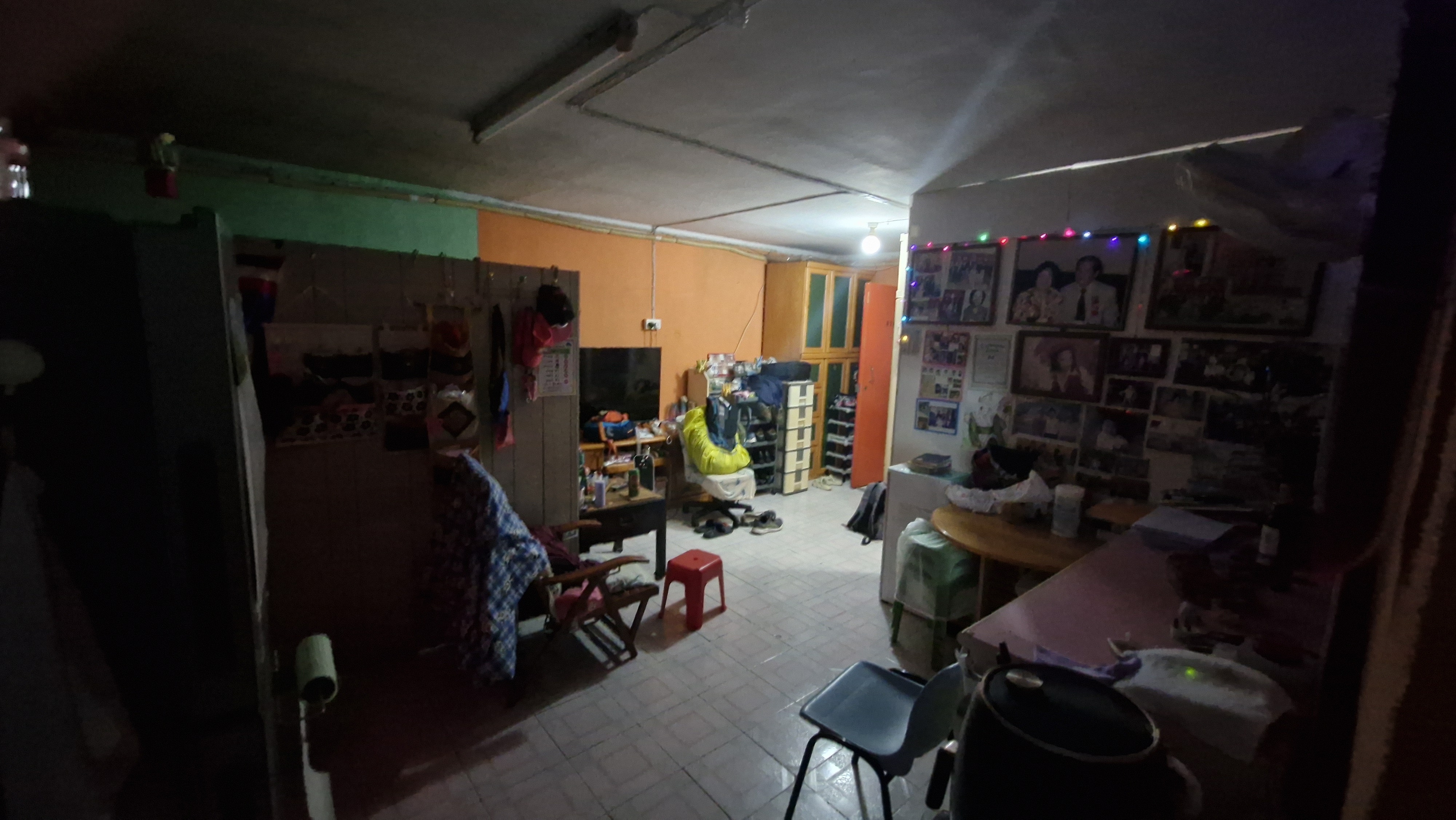
Backpacking culture gained popularity in the late 20th century, emphasizing budget travel and independent exploration. Hong Kong, despite its reputation as a financial hub, attracts backpackers with hostels, guesthouses, and opportunities to experience diverse urban landscapes. The city's efficient public transportation, combined with relatively affordable food options, makes it a feasible destination for budget-conscious travelers. Hostels provide opportunities for social interaction and cultural exchange among visitors from around the world.
📍Hong Kong
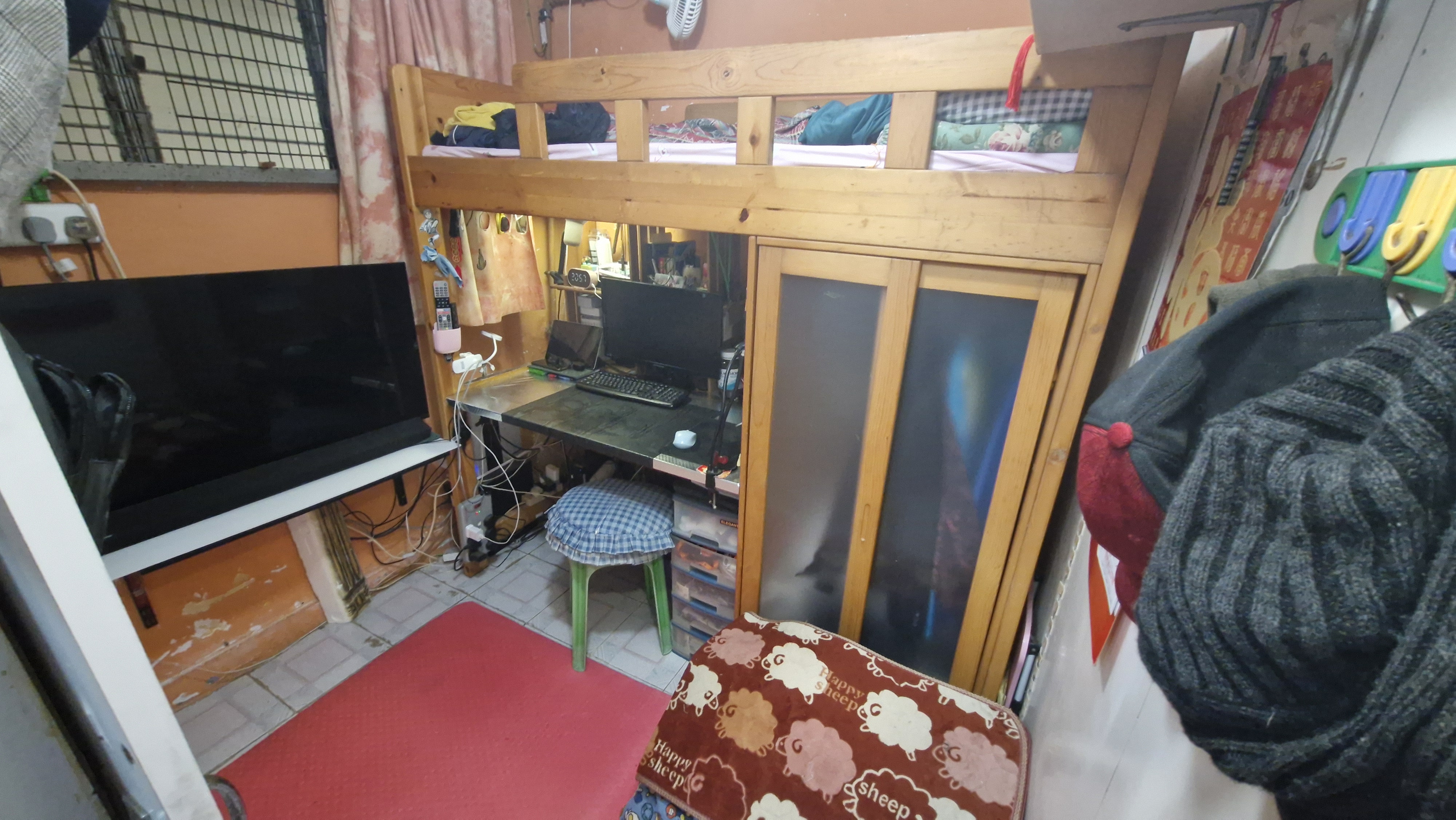
Many apartments in Hong Kong are compact due to the high population density and limited land. Space-saving furniture such as bunk beds with integrated desks is a common solution to maximize living area. This design allows for a sleeping area above and a workspace or storage below, essential in maximizing functionality in smaller spaces.
📍Hong Kong
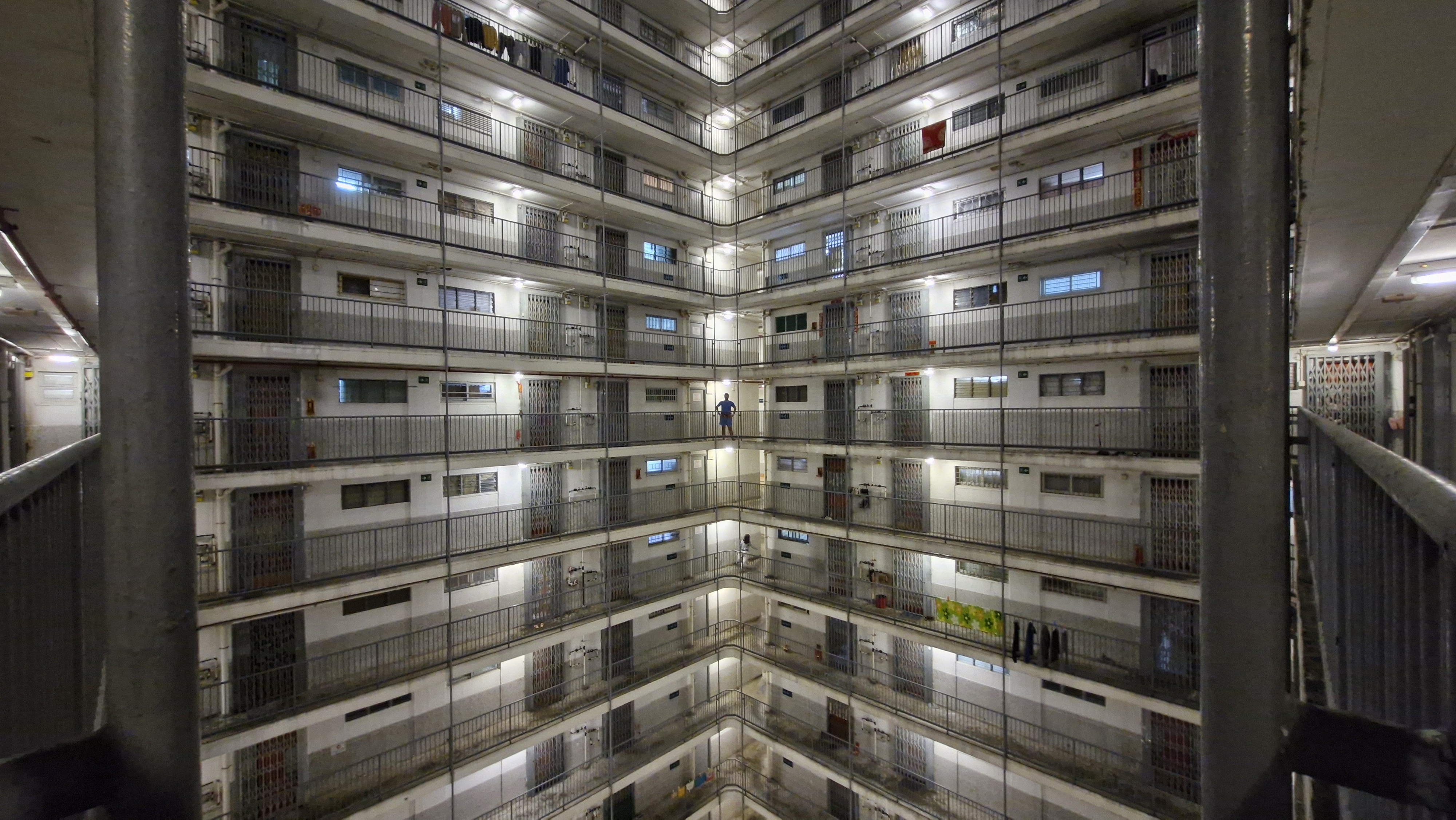
Choi Hung Estate
Choi Hung Estate, meaning "rainbow" estate, is one of Hong Kong's oldest public housing estates. Built in 1964, it is known for its vibrant facades, each of the building's exterior painted in a different color of the rainbow. This architectural design reflects the city’s post-war efforts to provide affordable housing while creating visually engaging urban spaces. It is now a famous Instagram destination.
📍Hong Kong
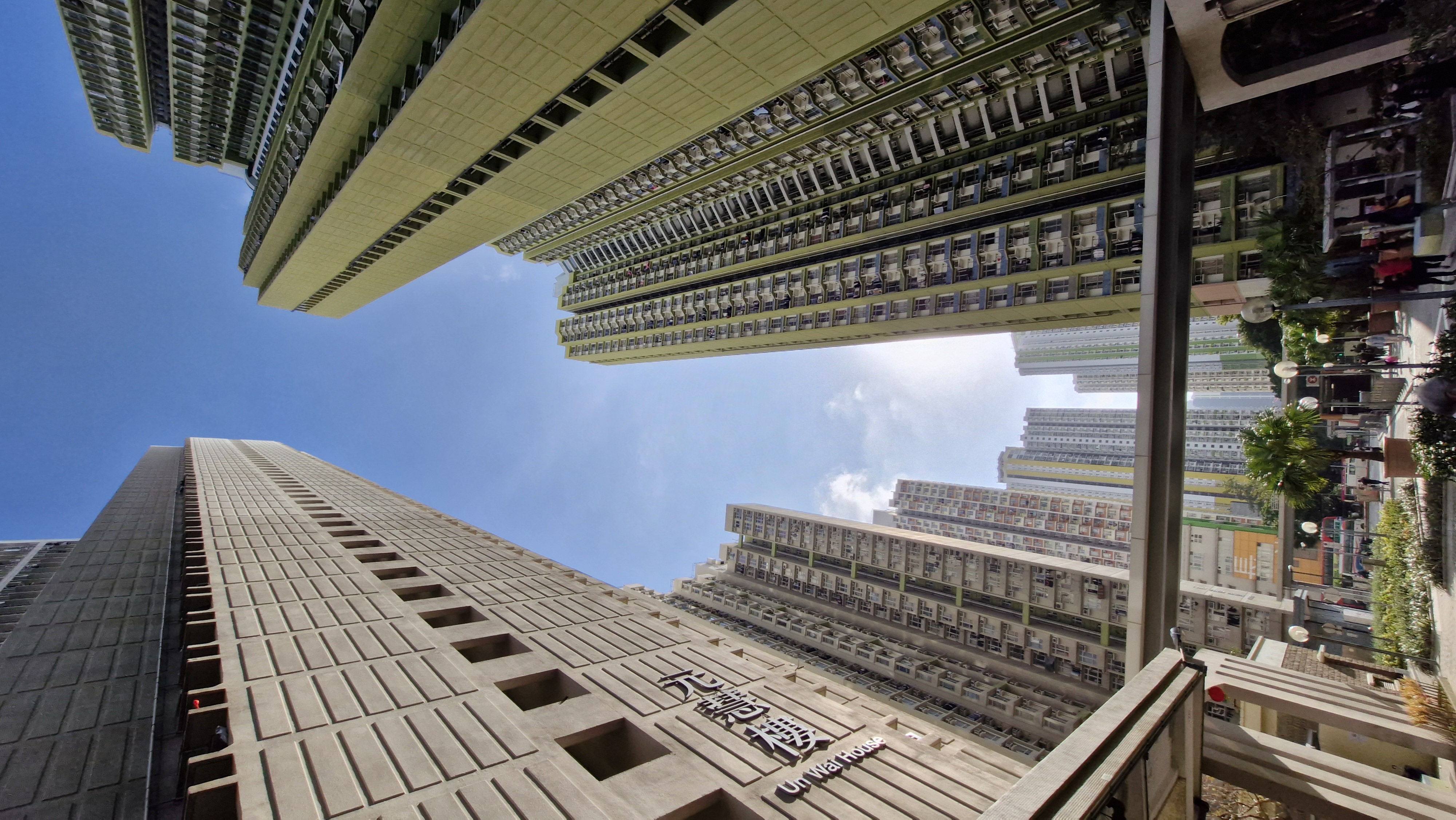
Un Wai House
The dense, high-rise residential architecture visible is typical of Hong Kong, reflecting the city's limited land and large population. Public housing estates like Un Wai House are a vital part of Hong Kong's social fabric, providing affordable housing for a significant portion of the population. These estates are often self-contained communities with their own amenities and services. The design and construction of these buildings are optimized for efficiency and space utilization.
📍Hong Kong
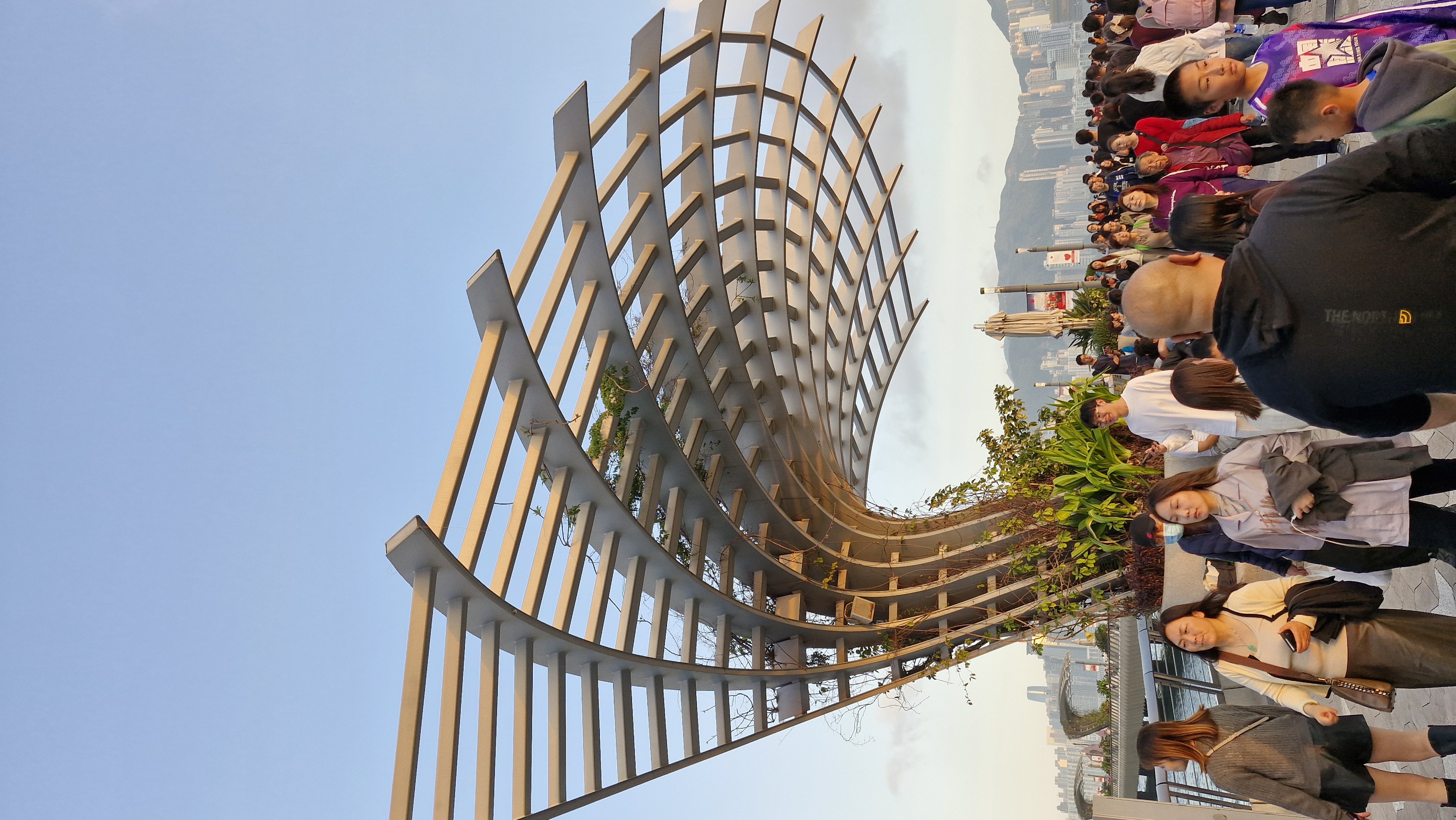
The architecture features a latticed steel structure, often found in modern urban parks for aesthetic purposes and to provide shade or support for climbing plants. Such structures contribute to the visual appeal of public spaces, blending contemporary design with natural elements. The use of geometric patterns and the integration of greenery create a welcoming environment for visitors. These designs frequently serve as gathering points or landmarks within the park.
📍Hong Kong
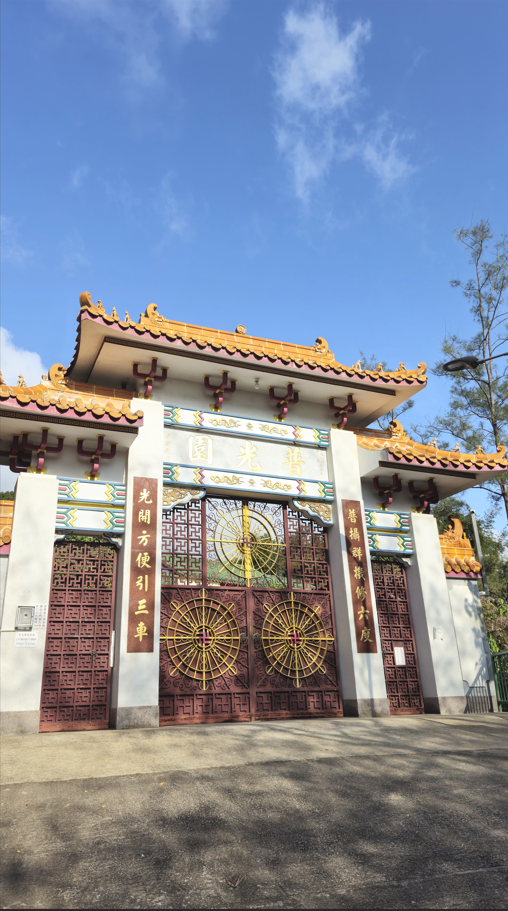
Cheung Po Tsai Cave Temple
The Cheung Po Tsai Cave Temple is a unique temple in Hong Kong dedicated to the 19th-century pirate Cheung Po Tsai. Legend says it contains the entrance to Cheung Po Tsai’s cave, once used to store his treasure. Many come to pray for luck and wealth, and the site provides a glimpse into the region's maritime history.
📍Hong Kong
1–10 of 25 photos