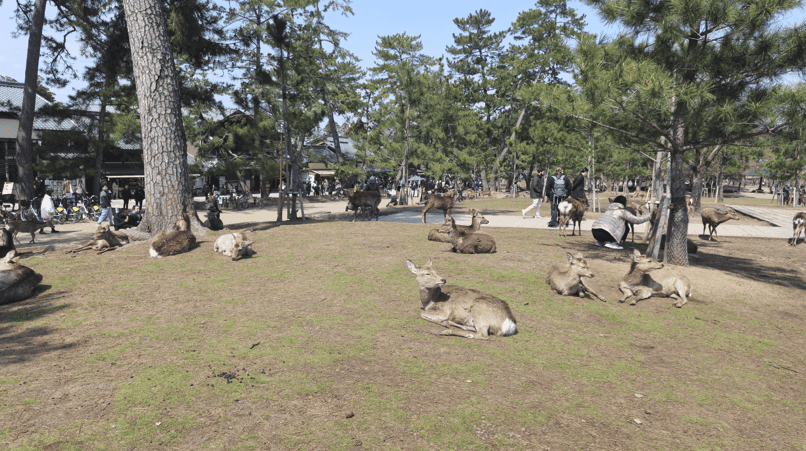
Sika Deer
Sika deer (Cervus nippon) are native to much of East Asia, and are considered sacred in Nara Park, Japan. They are known for their spotted coat, which is especially pronounced during the summer months. The deer have become a symbol of Nara and are protected as a national treasure, living in harmony with tourists and residents.
📍Nara Park
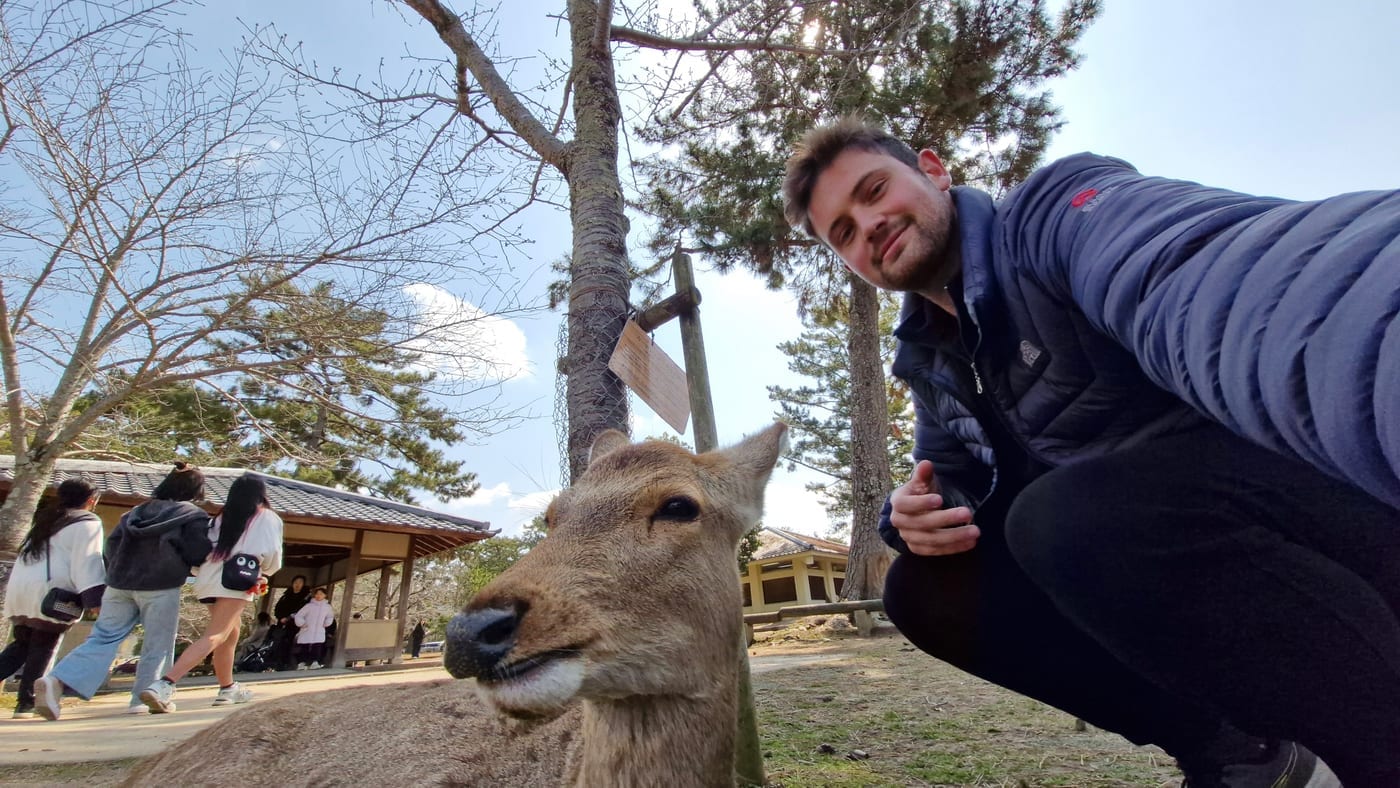
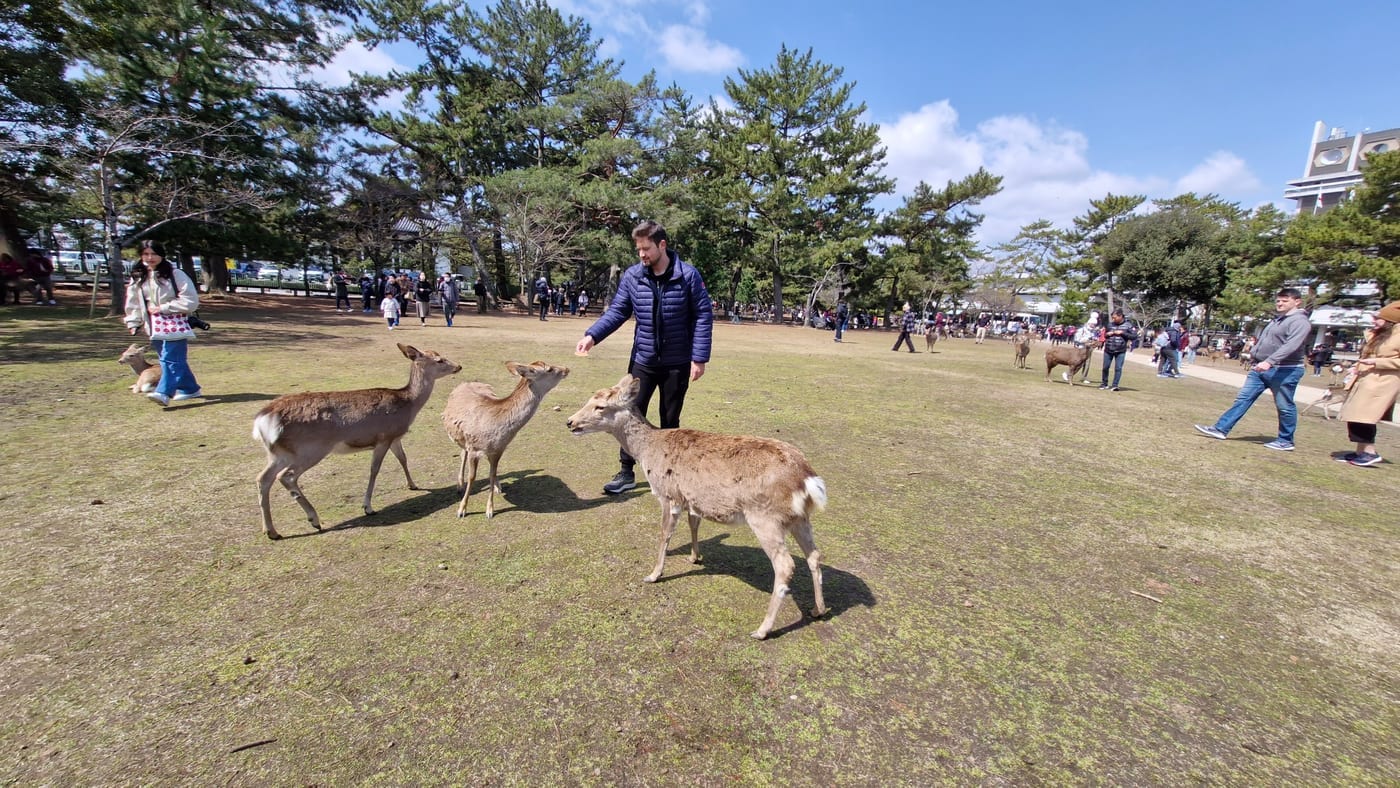
Sika Deer
Sika deer (Cervus nippon) are native to much of East Asia, but the population in Nara Park, Japan, is particularly famous. They were considered sacred for centuries, protected due to their association with the Kasuga Shrine. Today, they are designated as a natural treasure, and tourists are welcome to interact with them, even purchase special deer crackers to feed them.
📍Nara Park
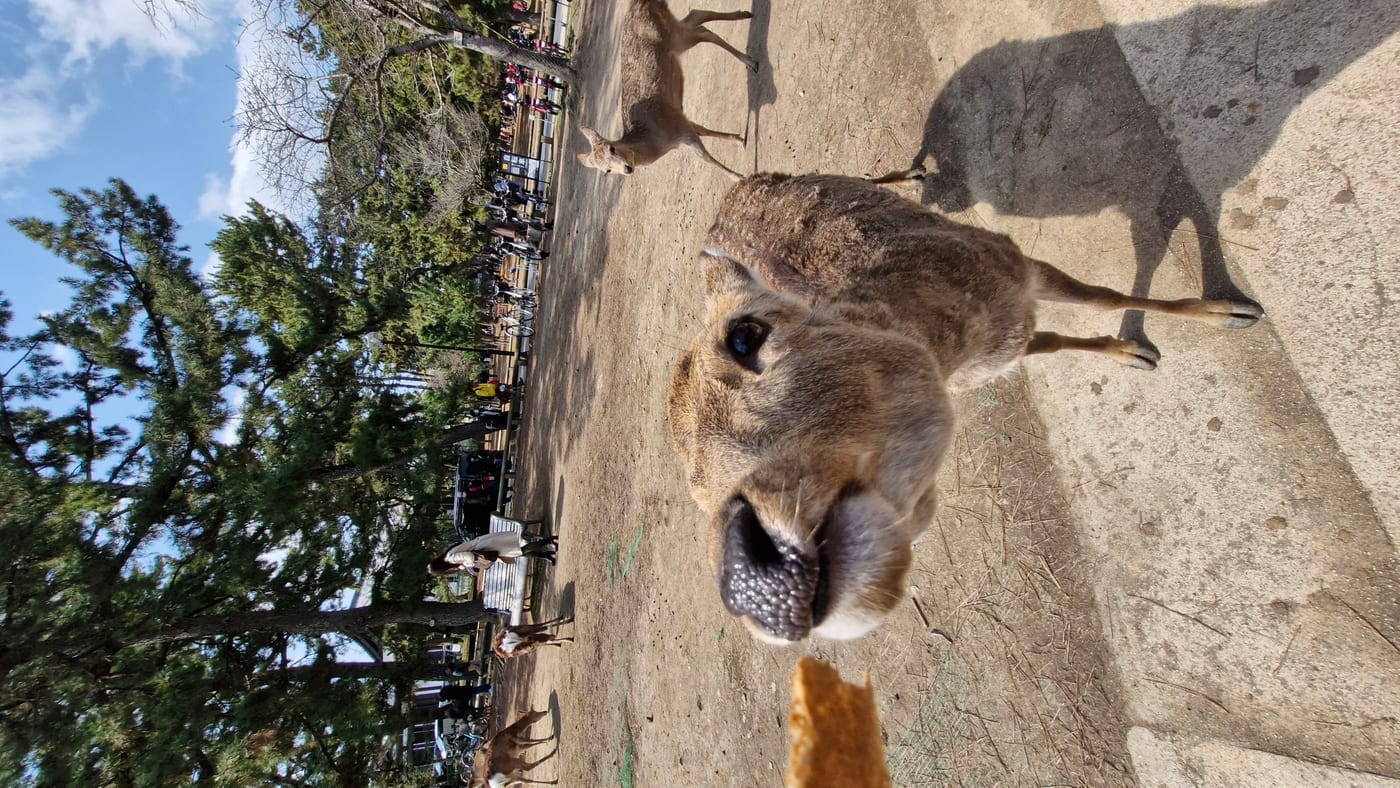
Sika Deer
Sika deer are native to much of East Asia, and are known in Japan as 'shika'. In some regions, such as Nara Park, they have become accustomed to humans and are considered a symbolic animal. These deer are often revered as messengers of the gods, enjoying a protected status and a special relationship with the local community.
📍Nara Park

Sika Deer
Sika deer (Cervus nippon) are native to much of East Asia, and are considered sacred in some regions of Japan. In Nara Park, sika deer roam freely and have become a symbol of the city, even bowing to visitors in hopes of receiving a deer cracker ('shika senbei'). These deer are protected as a natural treasure, and their interactions with humans have become a unique cultural attraction.
📍Nara Park
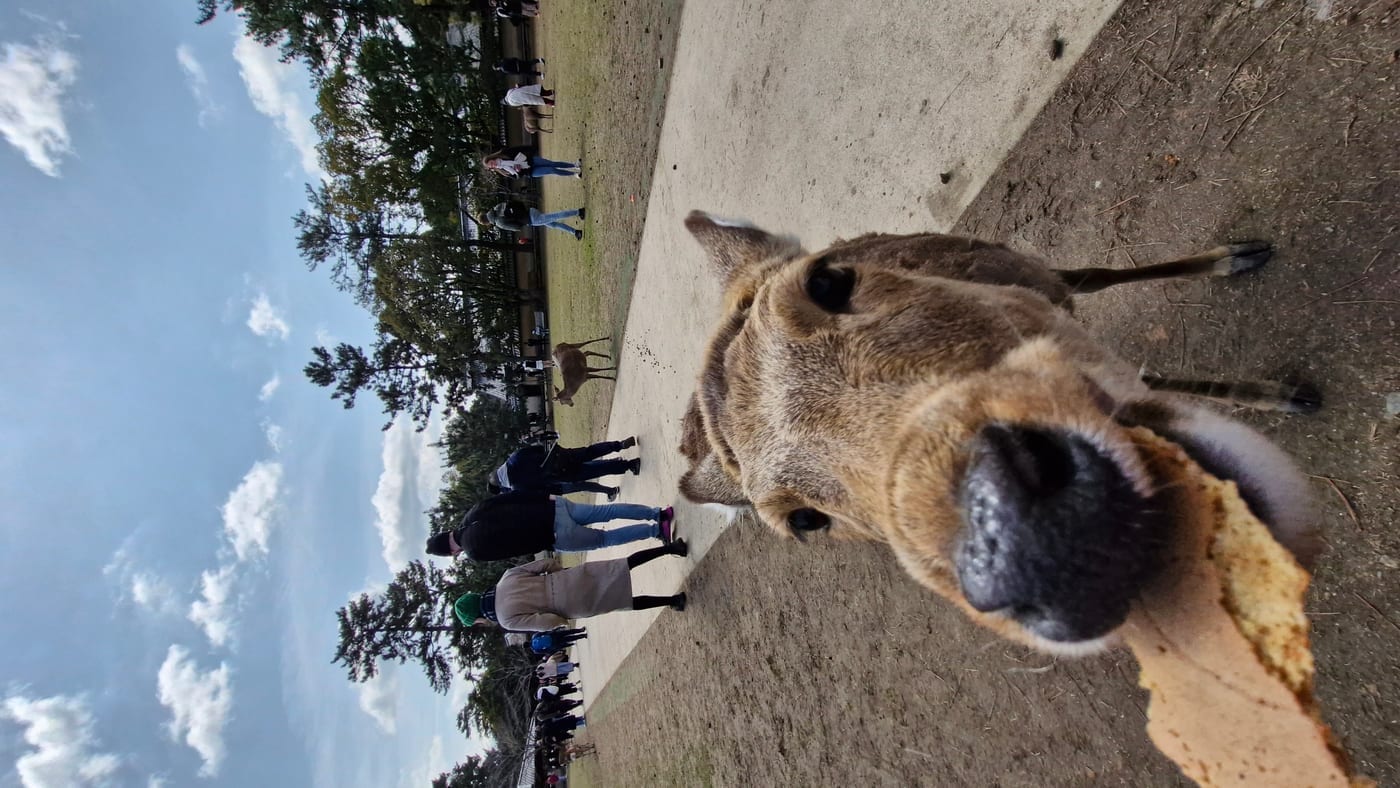
Sika Deer
Sika deer are common throughout much of East Asia, and the wild populations in Japan are considered a national treasure. In Nara Park, the deer are accustomed to humans and will even bow to solicit food. These deer are thought to be descended from wild deer that wandered into Nara during the construction of Kasuga Shrine centuries ago, and are now protected.
📍Nara Park
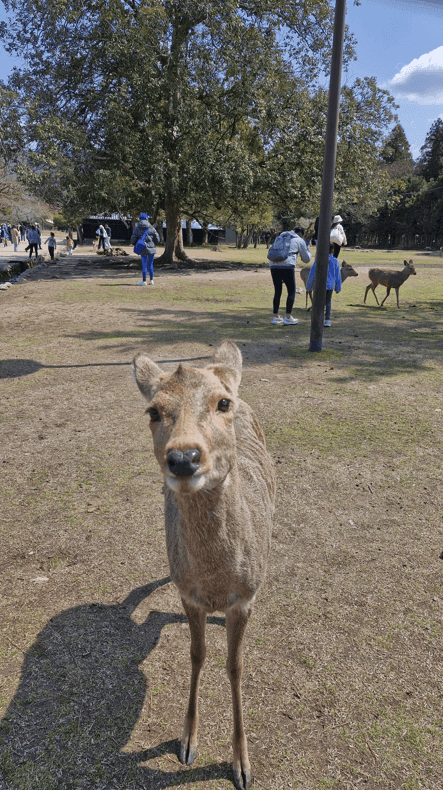
Sika Deer
Sika deer (Cervus nippon) are native to much of East Asia, and their populations in Japan are particularly well-known, especially within parks. In certain Japanese parks, such as Nara Park, sika deer roam freely and are considered sacred and messengers of the gods. The deer have become habituated to humans and are often fed special deer crackers (shika senbei), contributing to a unique interaction between the animals and visitors. These interactions highlight a blend of wildlife, religious beliefs, and tourism.
📍Nara
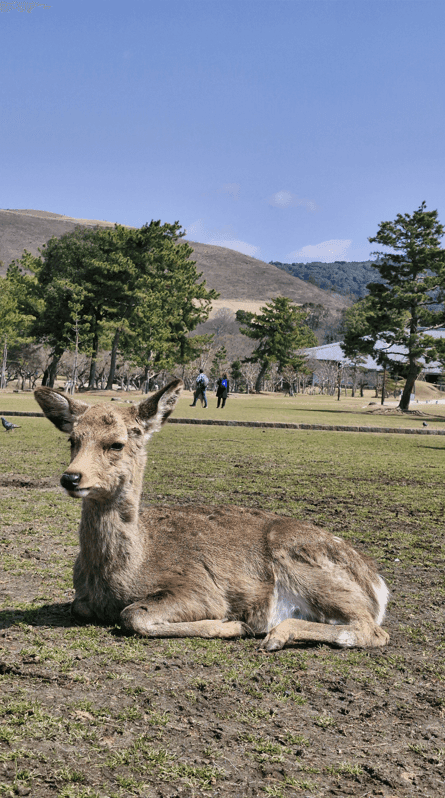
Sika Deer
Sika deer, also known as spotted deer or Japanese deer, are native to much of East Asia, including Japan. They have adapted well to various habitats, from forests to grasslands, and are known for their characteristic white spots, though these can fade in winter. In Nara Park, these deer are considered sacred and have become a symbol of the city, freely roaming among tourists and residents.
📍Nara Park
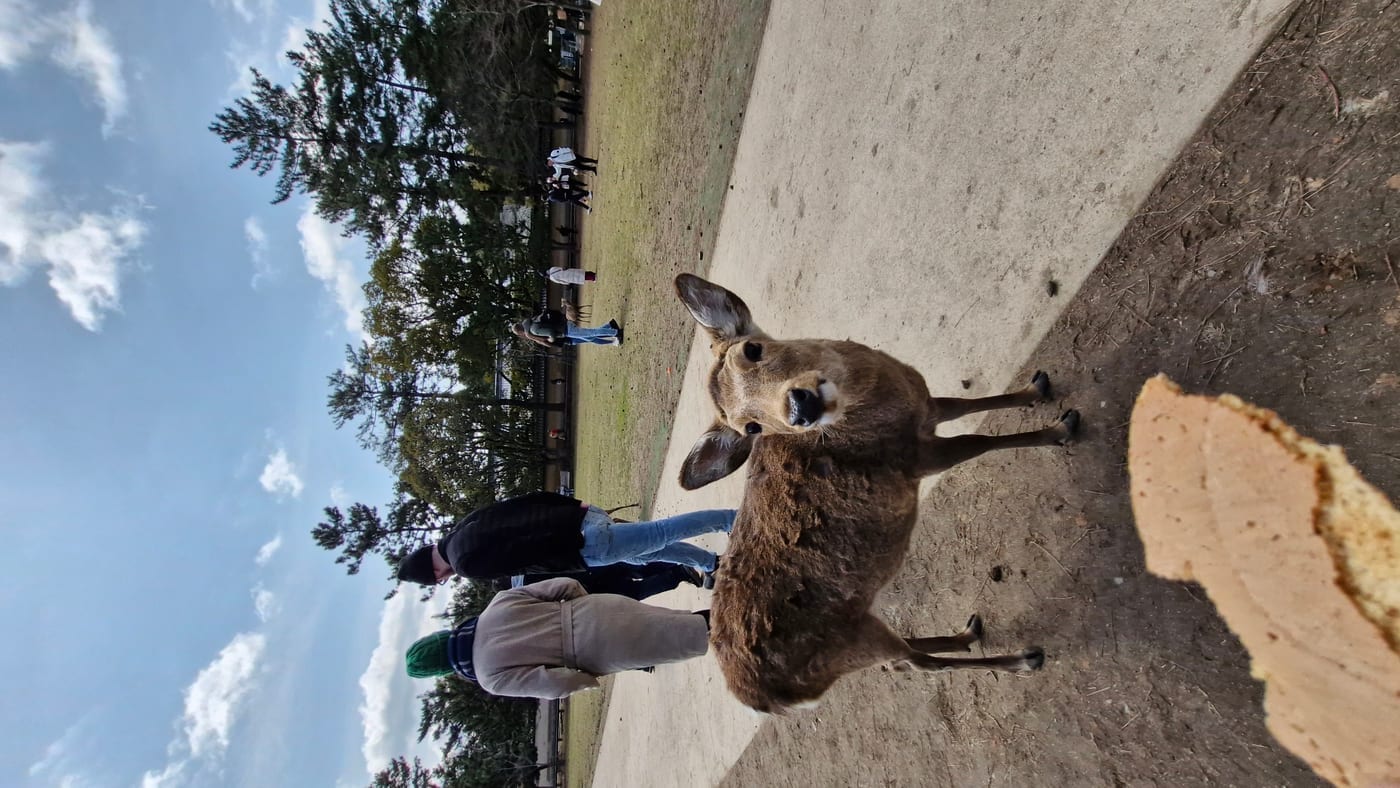
Sika Deer
Sika deer are common throughout much of Japan, and are considered sacred in some areas like Nara Park. According to legend, the god Takemikazuchi arrived in Nara riding a white deer, and since then the deer have been protected as messengers of the gods. In Nara Park, these deer roam freely and have become accustomed to humans, often interacting with visitors in the hopes of receiving food.
📍Nara Park
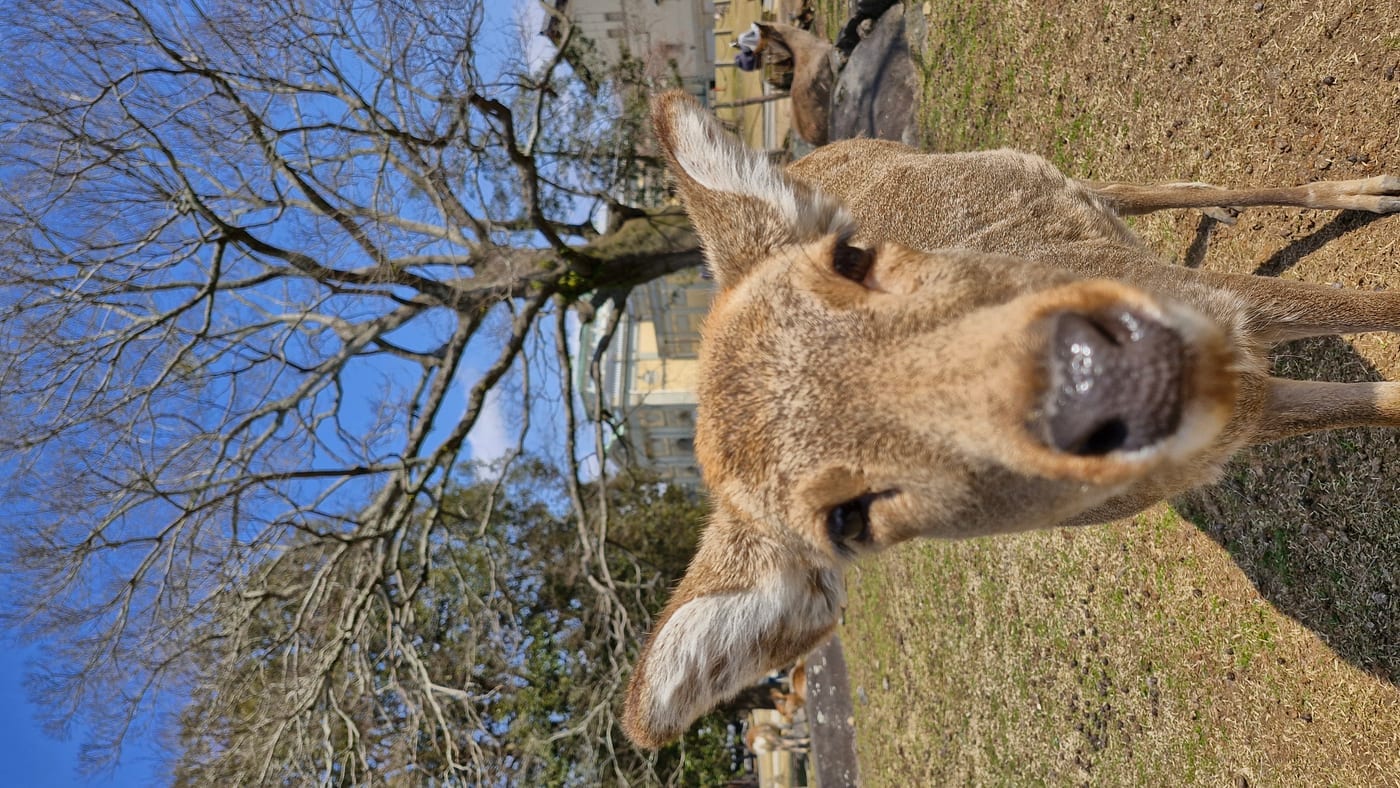
Sika Deer
Sika deer are common throughout much of Japan, and particularly well-known in Nara Park where they roam freely. These deer are considered sacred messengers of the gods, a status dating back to the Kasuga Shrine's founding. Feeding the deer is a popular tourist activity, and 'deer crackers' are sold throughout the park.
📍Nara Park
1–10 of 70 photos