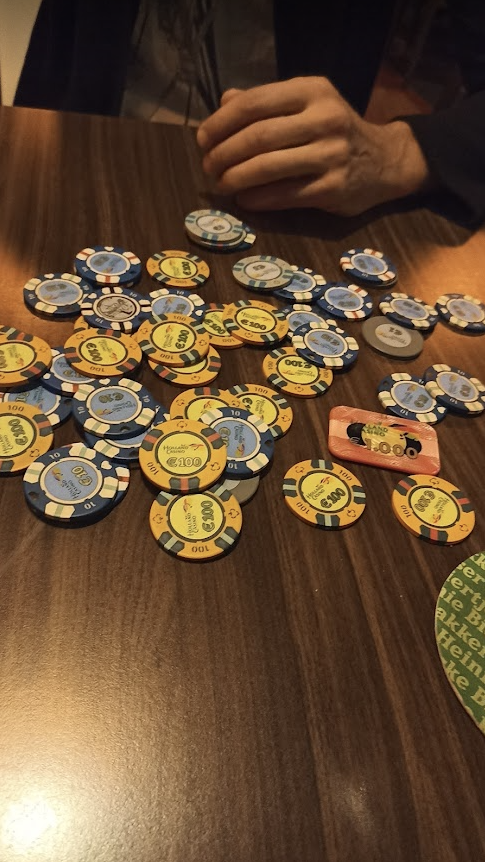
These are casino chips from Holland Casino, the only legal casino operator in the Netherlands. Holland Casino is owned by the Dutch state and profits go directly to the state treasury. The license to operate casinos was granted in 1976, but precursors to gambling houses existed earlier. The €100 chip is a common denomination used in table games like poker, roulette, and blackjack.
📍Netherlands
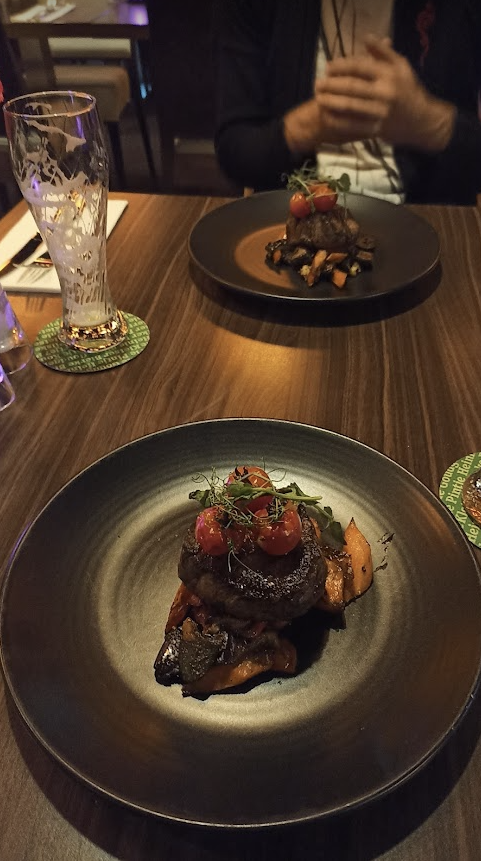
Dutch cuisine is not widely known, but contains many rich options. Traditional Dutch food includes dishes such as stamppot, a mashed potato and vegetable dish, often with sausage or rookworst. The Netherlands has also developed a robust cheese-making industry, producing many varieties of gouda and edam. Modern Dutch cuisine has also embraced international flavors, creating a diverse culinary landscape.
📍Netherlands
Kinderdijk Windmills
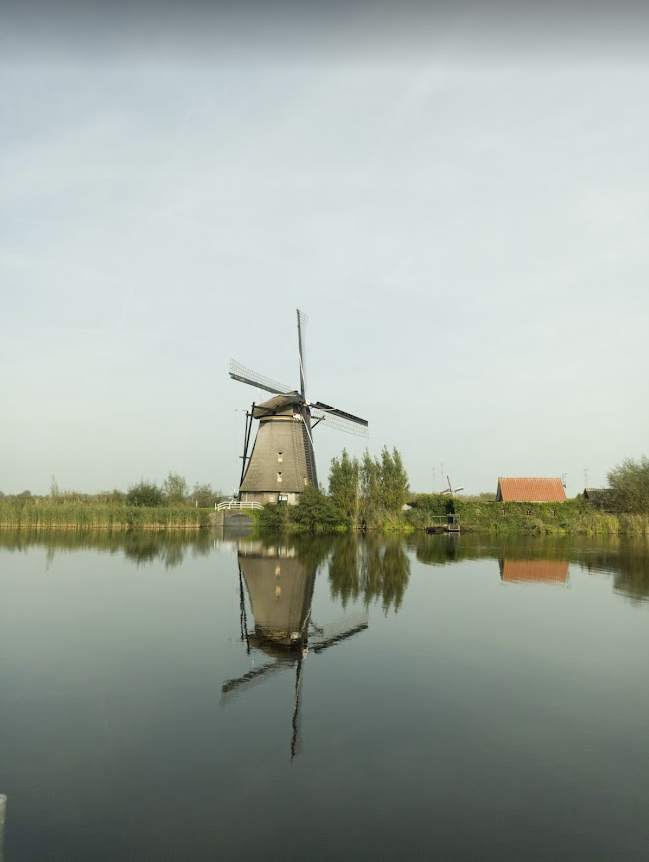
The windmills at Kinderdijk are a UNESCO World Heritage site, representing a remarkable system engineered to manage water in the polder landscape. Constructed around 1740, these windmills are vital components of a larger water management system designed to prevent flooding. They worked in tandem with canals and reservoirs to drain excess water from the low-lying lands, allowing for agriculture and habitation. The site provides insight into the history and challenges of living below sea level.
📍Kinderdijk
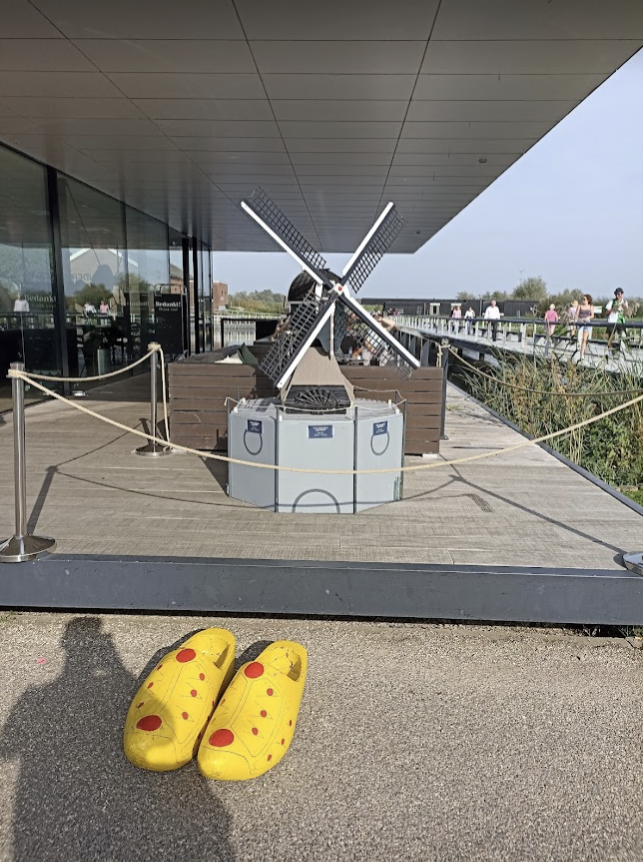
Wooden Clogs
Wooden clogs, known as "klompen" in Dutch, are a traditional type of footwear that have been used in the Netherlands for centuries. Historically, they provided practical protection in wet and muddy conditions, especially for farmers and workers in fields. Today, while still occasionally worn for practical reasons, klompen are more commonly seen as a cultural symbol and souvenir of the Netherlands, often painted with colorful designs.
📍Netherlands
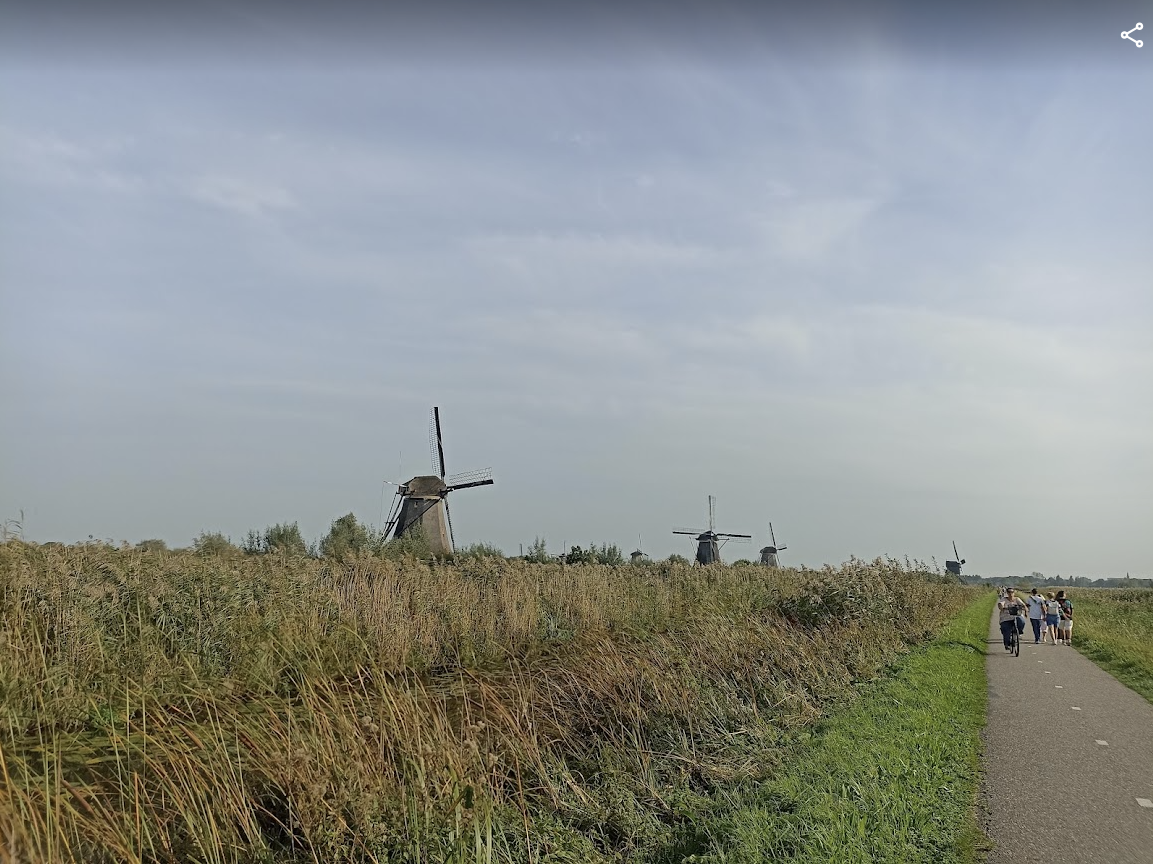
Kinderdijk Windmills
The windmills at Kinderdijk are a UNESCO World Heritage site, representing a crucial element in Dutch water management. Built around 1740, these structures were designed to pump water out of the polders, low-lying tracts of land reclaimed from the sea, and into the Lek River. This system prevented flooding and made the land suitable for agriculture and habitation. They represent the ingenuity and long history of the Netherlands' battle against the water.
📍Kinderdijk
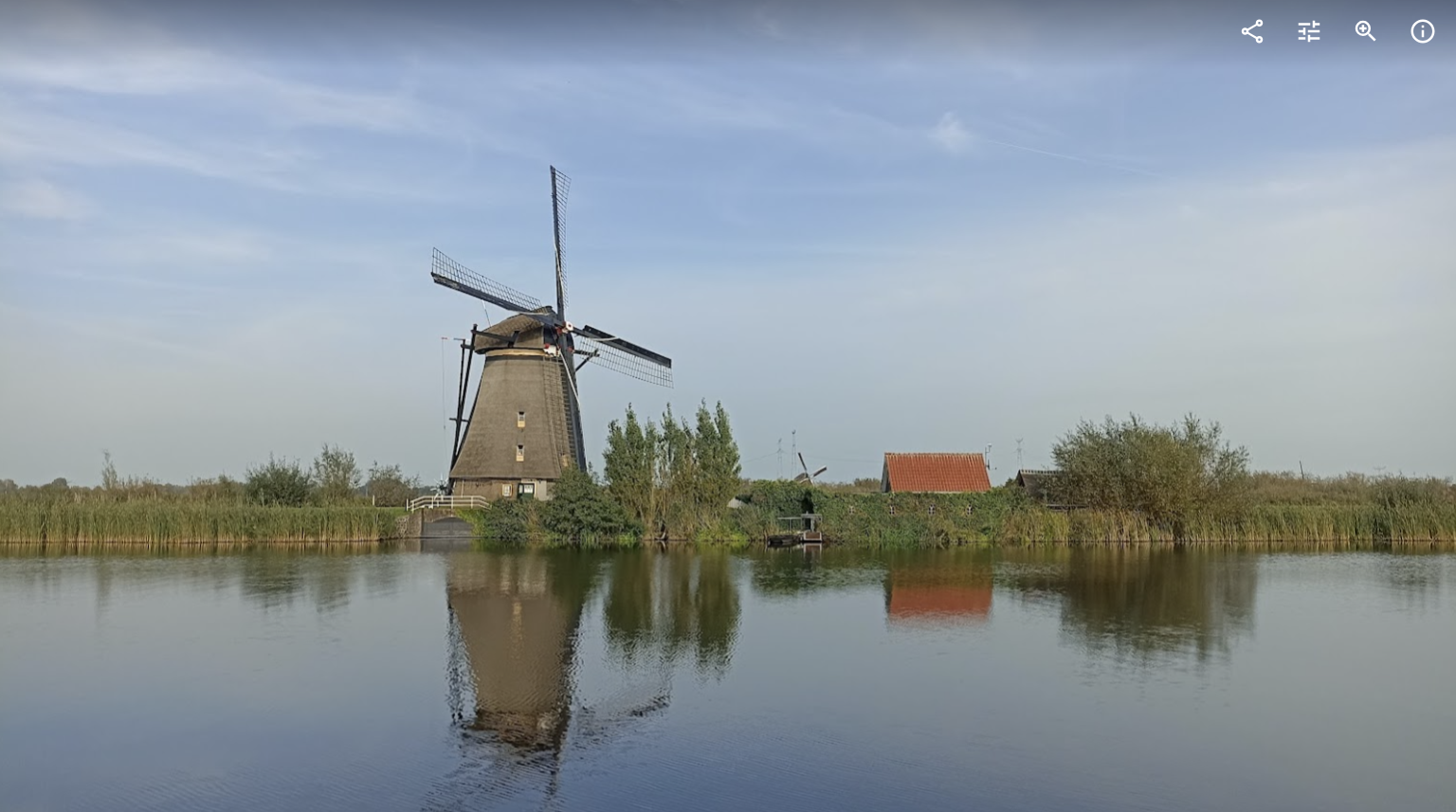
Kinderdijk Windmills
The Kinderdijk windmills are a UNESCO World Heritage site located near Rotterdam, Netherlands. Constructed around 1740, these windmills were built to drain excess water from the polder, a low-lying land reclaimed from the sea. The site showcases a sophisticated water management system developed over centuries to protect the land from flooding. Nineteen windmills remain today as a reminder of the ingenuity and historical struggle of the Dutch people against water.
📍Kinderdijk
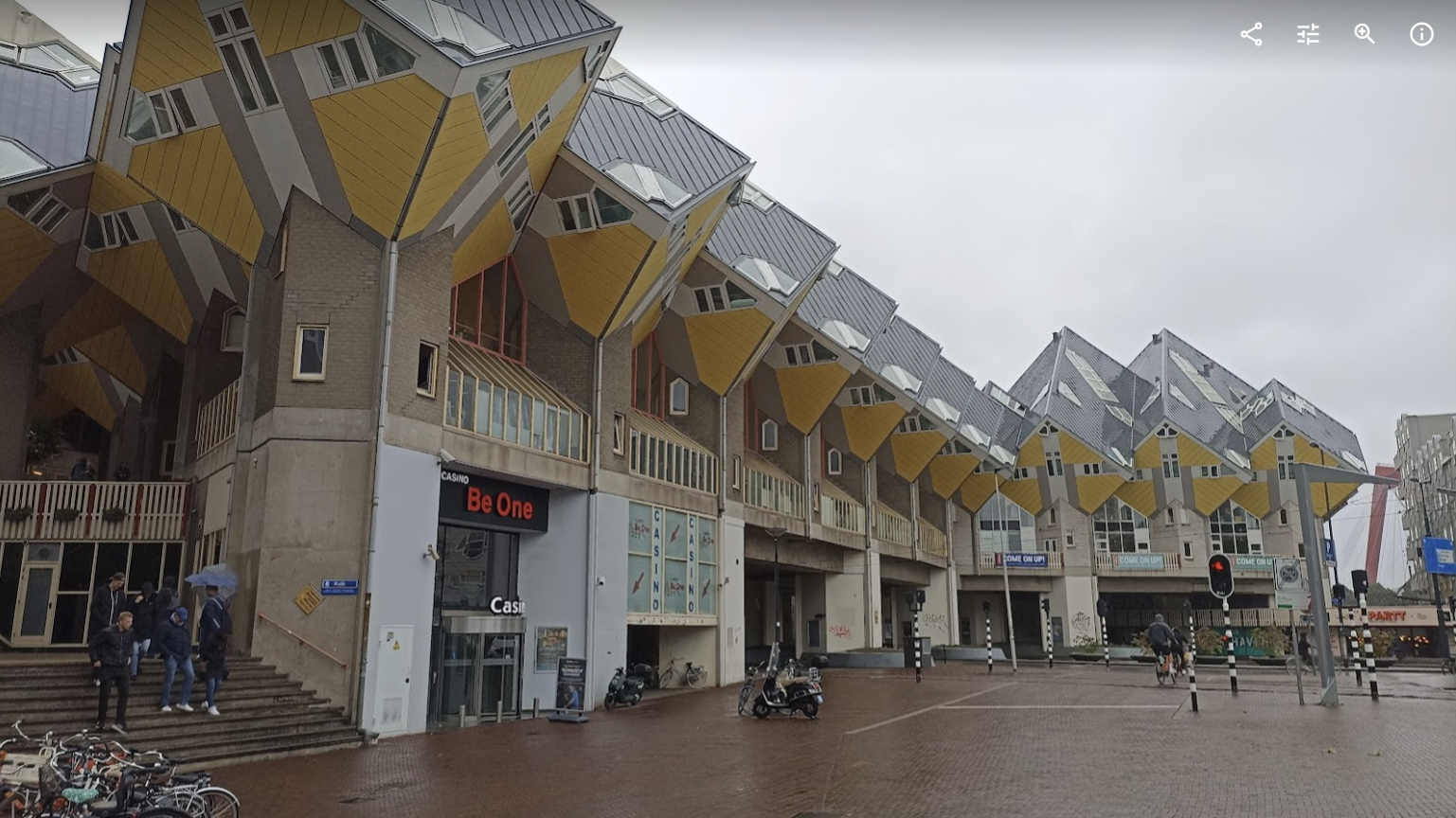
Kijk-Kubus (Cube Houses)
The Cube Houses or Kijk-Kubus in Rotterdam are innovative architectural structures designed by Piet Blom in the 1970s. Blom sought to create a village within the city, representing trees in a forest with each cube. Each cube is tilted 45 degrees and rests on a hexagonal pole, representing a tree trunk. Inside, the living spaces are uniquely shaped, often leading to creative interior designs.
📍Rotterdam
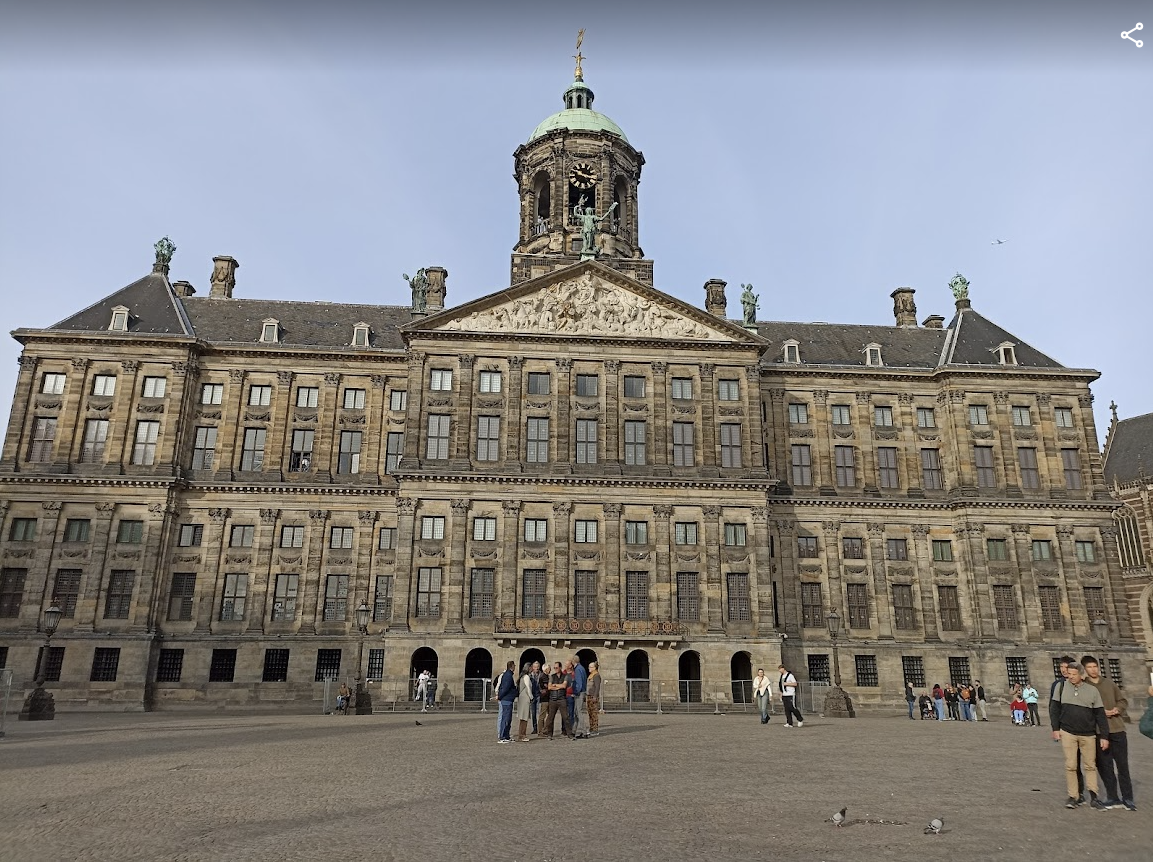
Royal Palace of Amsterdam
The Royal Palace of Amsterdam, built in the 17th century, originally served as Amsterdam's city hall. It became the royal palace under Louis Bonaparte in 1808. The palace is situated on Dam Square, right in the historical and geographical centre of Amsterdam. It is one of three palaces in the Netherlands which are at the disposal of the monarch by Act of Parliament.
📍Amsterdam
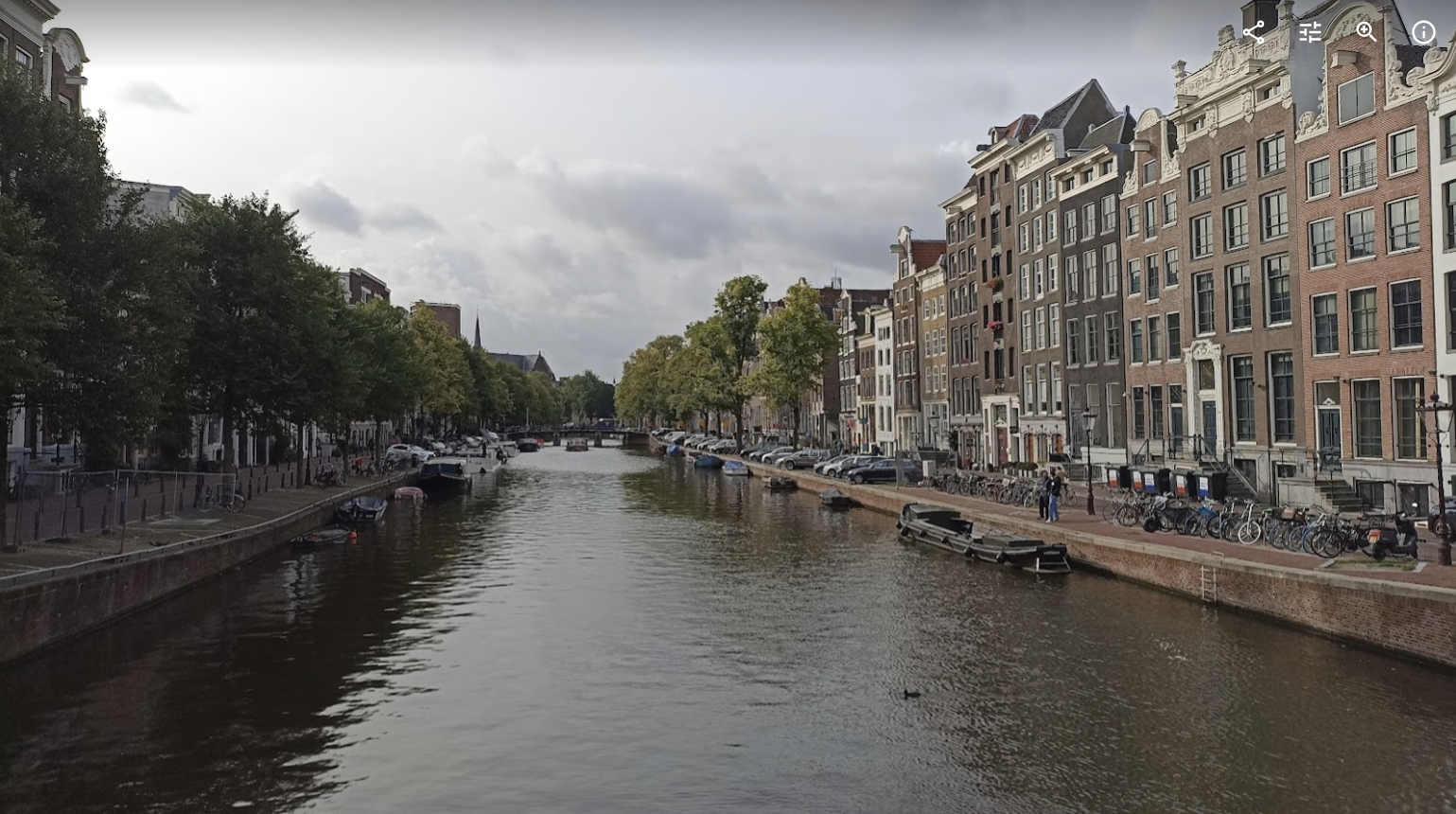
Amsterdam's canals are a defining feature of the city, contributing to its unique charm and historical significance. Originally created for defense, water management, and transportation, these canals now serve as picturesque waterways that wind through the city center. The canal system is a UNESCO World Heritage site, reflecting its cultural and historical importance to the Netherlands.
📍Amsterdam
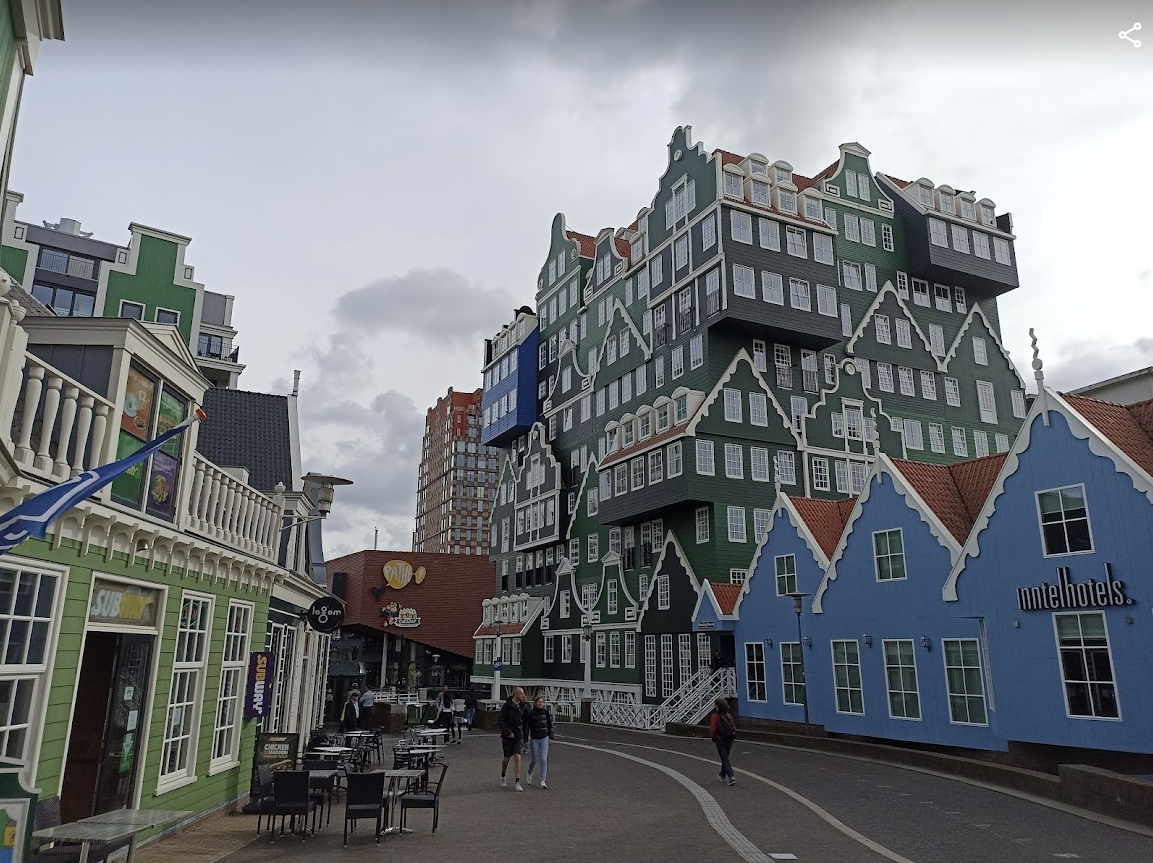
Inntel Hotel, Zaandam
The Inntel Hotel in Zaandam is a striking architectural landmark near Amsterdam. Designed by WAM architecten, its facade comprises nearly 70 stacked traditional Zaan houses, each painted a different shade of green, blue, and white. The whimsical yet harmonious design pays homage to the region's rich architectural heritage, creating a memorable visual experience for visitors.
📍Zaandam
1–10 of 30 photos