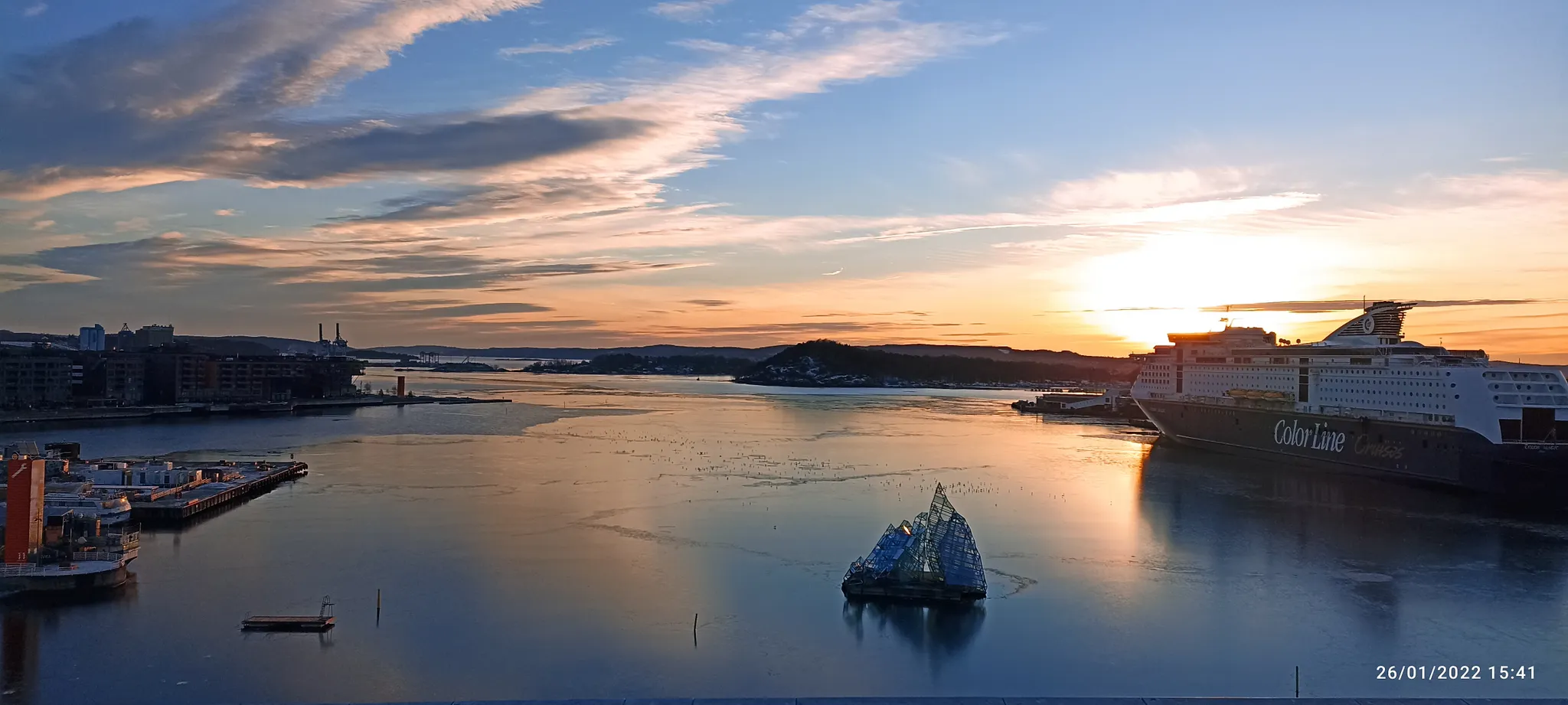
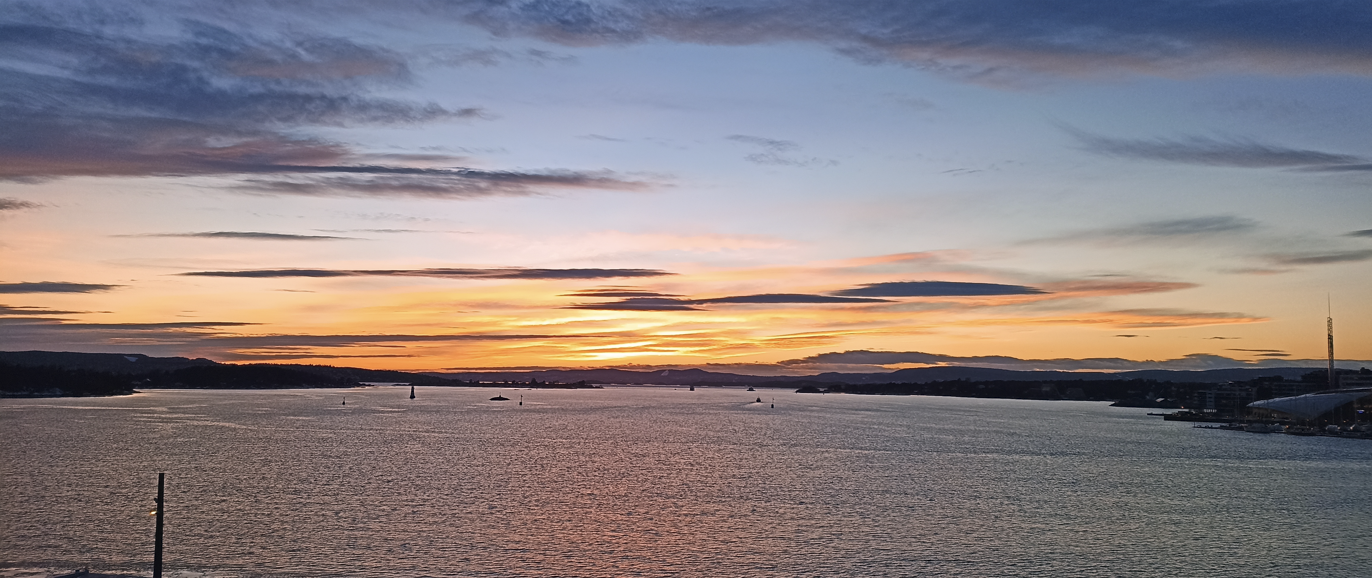
Oslofjord is a fjord in the southeast of Norway, stretching from the municipality of Tvedestrand in the north to the municipalities of Bohuslän in Sweden in the south. The fjord is dotted with islands, the largest of which are covered in a mix of forests and agricultural land, providing habitats for diverse flora and fauna. The Oslofjord has been an important transport and trade route for centuries, contributing to the growth and development of the surrounding areas.
📍Oslofjord
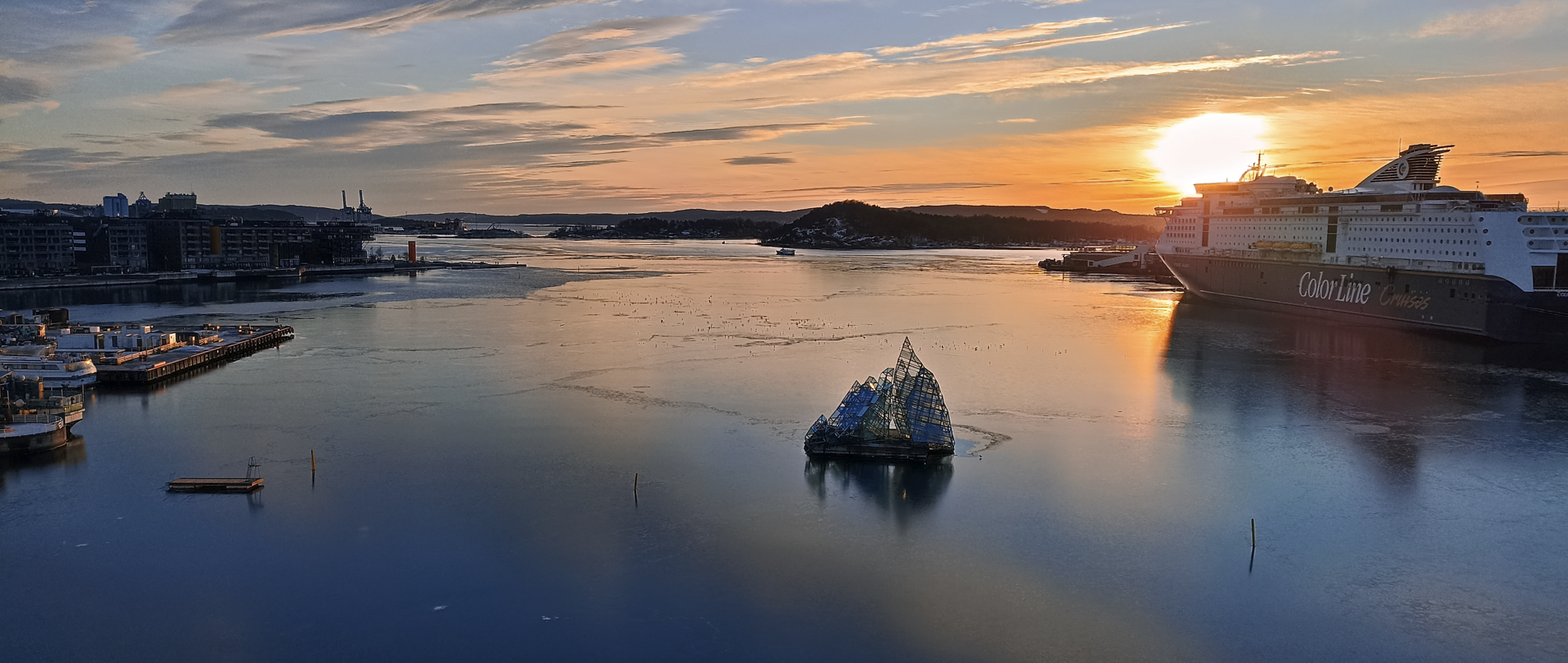
She Lies
She Lies is a floating sculpture in the harbor of Oslo, Norway, created by Italian artist Monica Bonvicini. The sculpture is constructed of steel and glass panels, reflecting the constantly changing light and water of the fjord. It is designed to evoke the image of an iceberg and is inspired by Caspar David Friedrich’s painting ‘The Wreck of Hope’, which depicts a ship crushed by ice.
📍Oslo
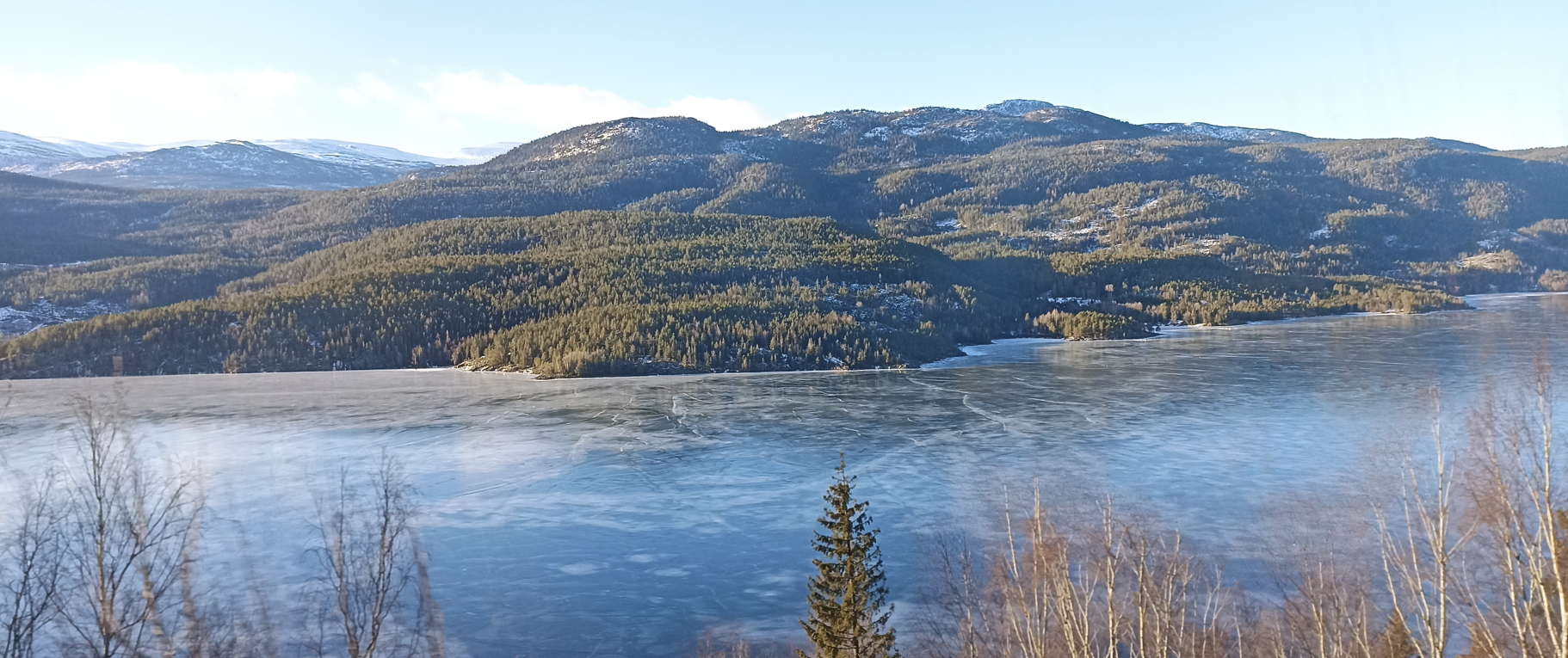
Norway's landscapes are characterized by deep fjords, towering mountains, and numerous lakes. During winter, many of these lakes freeze over, creating stunning icy vistas. The mountains are often covered in forests, which transform into vibrant shades of green as the snow melts in spring. These landscapes have been shaped by glacial activity over millennia, leaving behind a dramatic and beautiful terrain.
📍Norway
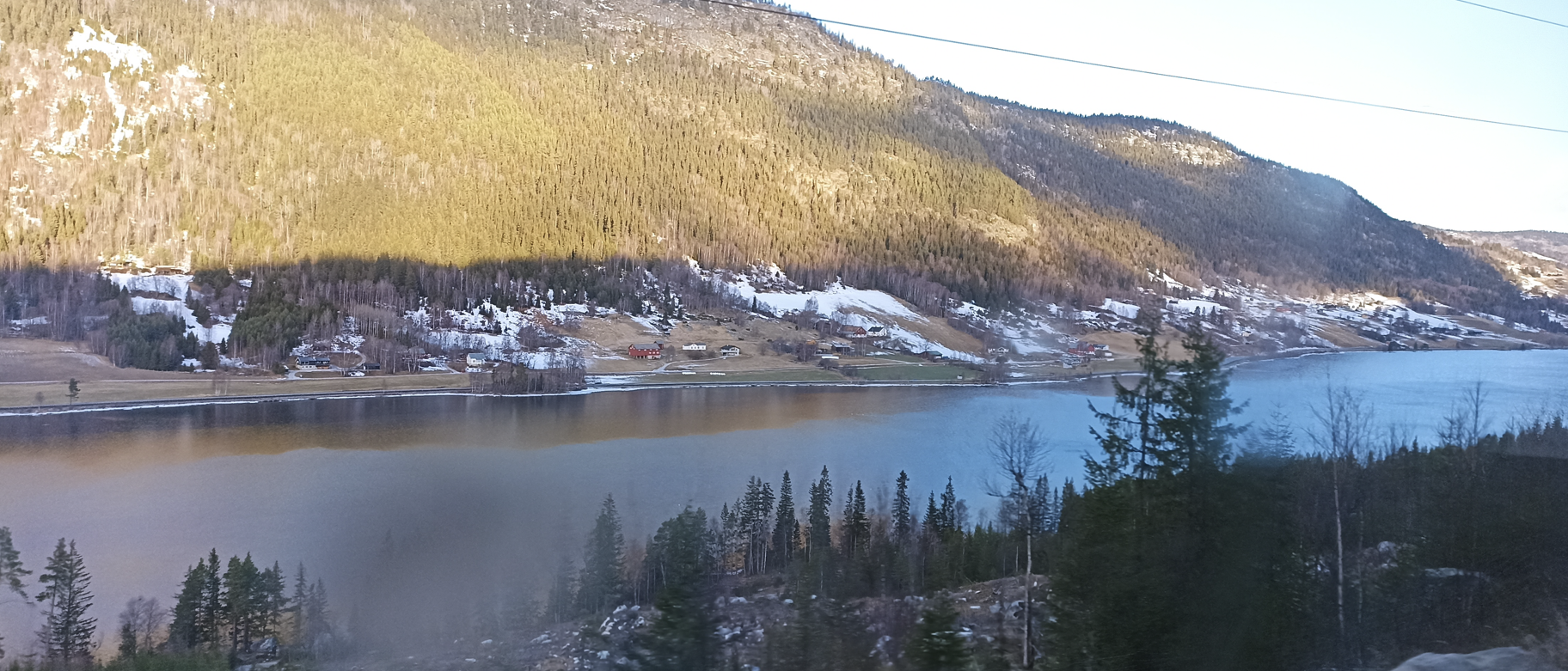
Norwegian fjords are long, narrow inlets with steep sides or cliffs, created by glacial erosion. They are typically deeper than the adjacent sea and are renowned for their dramatic natural beauty. Many fjords are surrounded by mountains and forests, creating a unique and stunning landscape. They are a significant component of Norway's identity and a major tourist attraction.
📍Norway
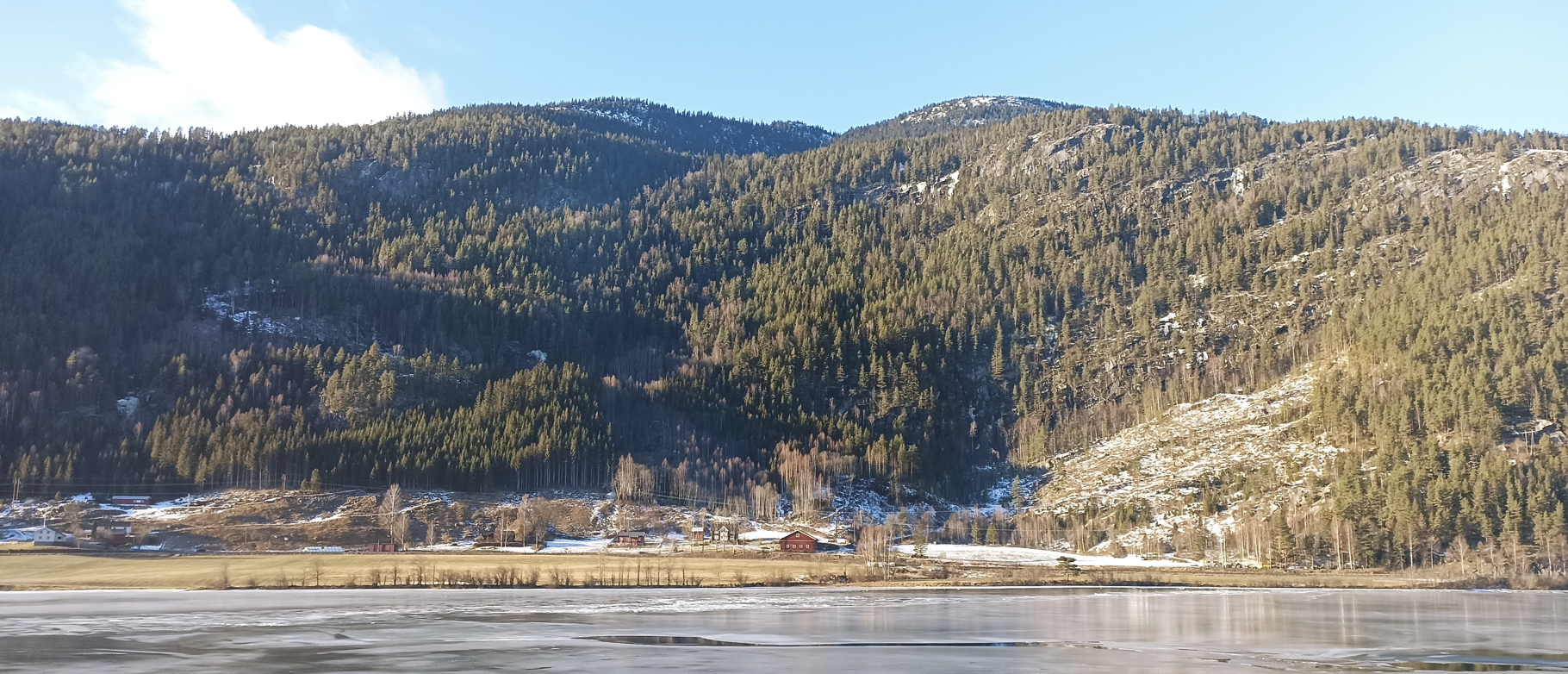
The landscape of Norway is characterized by its dramatic fjords, mountains, glaciers, and forests. The country's long coastline is deeply indented by fjords, which are narrow inlets of the sea between steep cliffs. These landscapes were carved by glaciers during the last ice age, leaving behind a rugged terrain. Norway's forests are dominated by conifers like pine and spruce, while the mountains are home to a variety of alpine plants and animals.
📍Norway
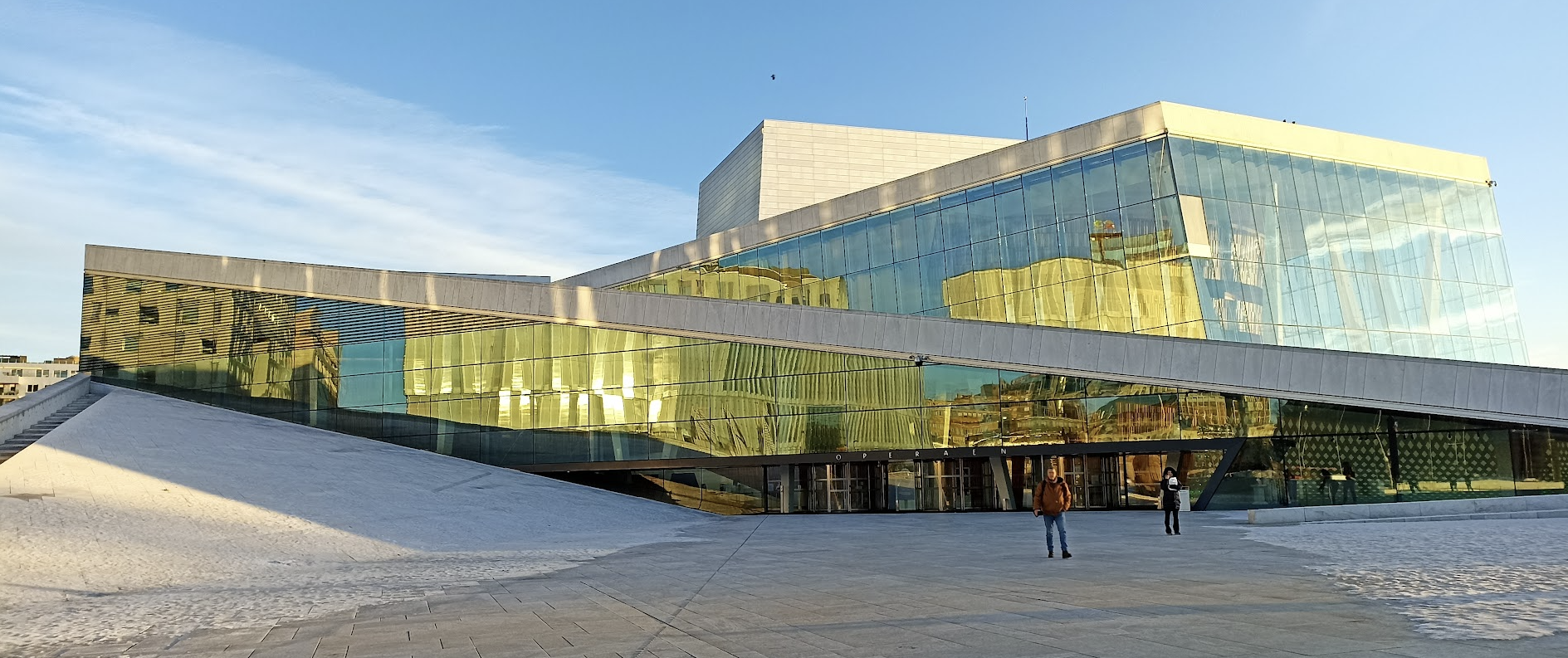
Oslo Opera House
The Oslo Opera House, completed in 2008, is home to The Norwegian National Opera & Ballet. Its design, by the architectural firm Snøhetta, resembles a glacier rising from the Oslofjord. Visitors can walk on the sloping marble roof, connecting the city visually and physically to the fjord. The building's interior features extensive use of oak and is renowned for its acoustics.
📍Oslo
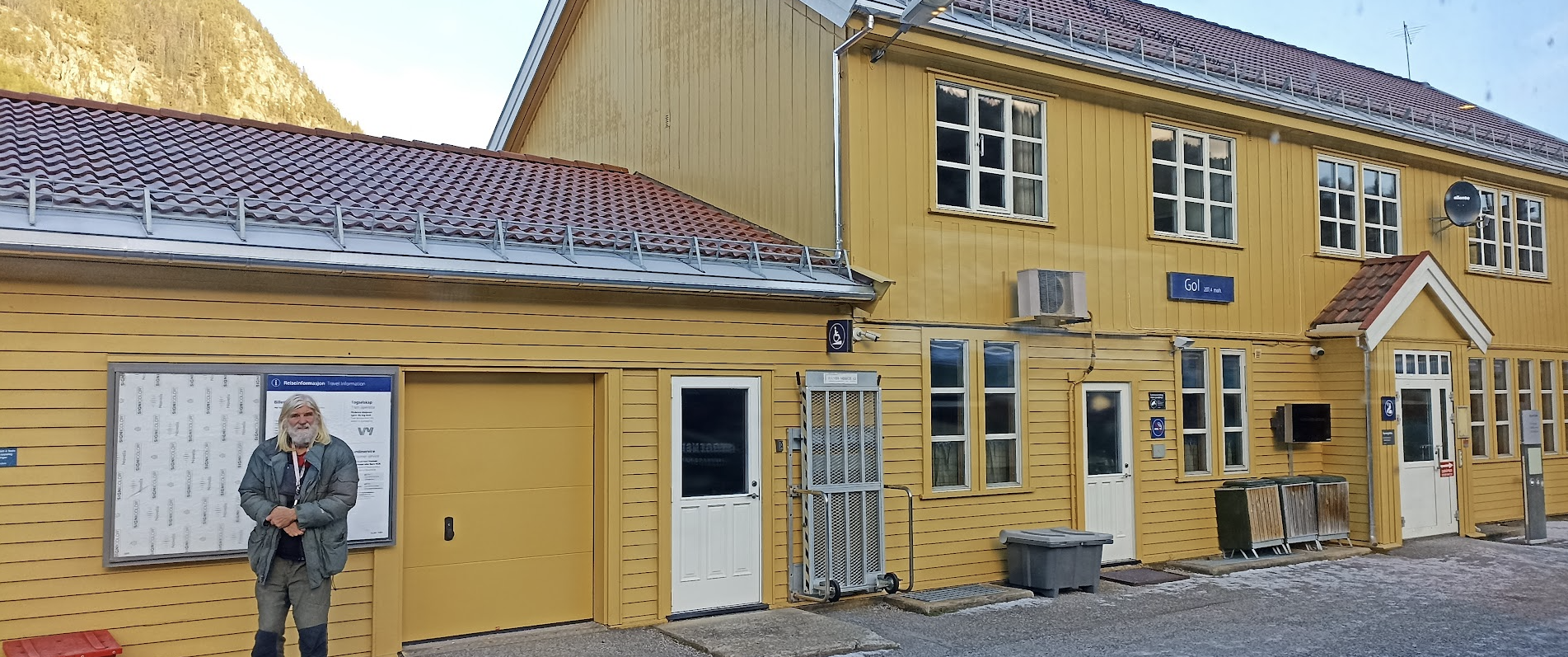
Gol Station
Gol Station is situated on the Bergen Line, a vital railway connecting Oslo and Bergen across Norway. Opened in 1907, the station has served as a key transport hub for the Gol municipality. Its traditional wooden architecture reflects the characteristic style of early 20th-century Norwegian railway buildings. The station remains an operational stop, facilitating both passenger and freight services.
📍Gol
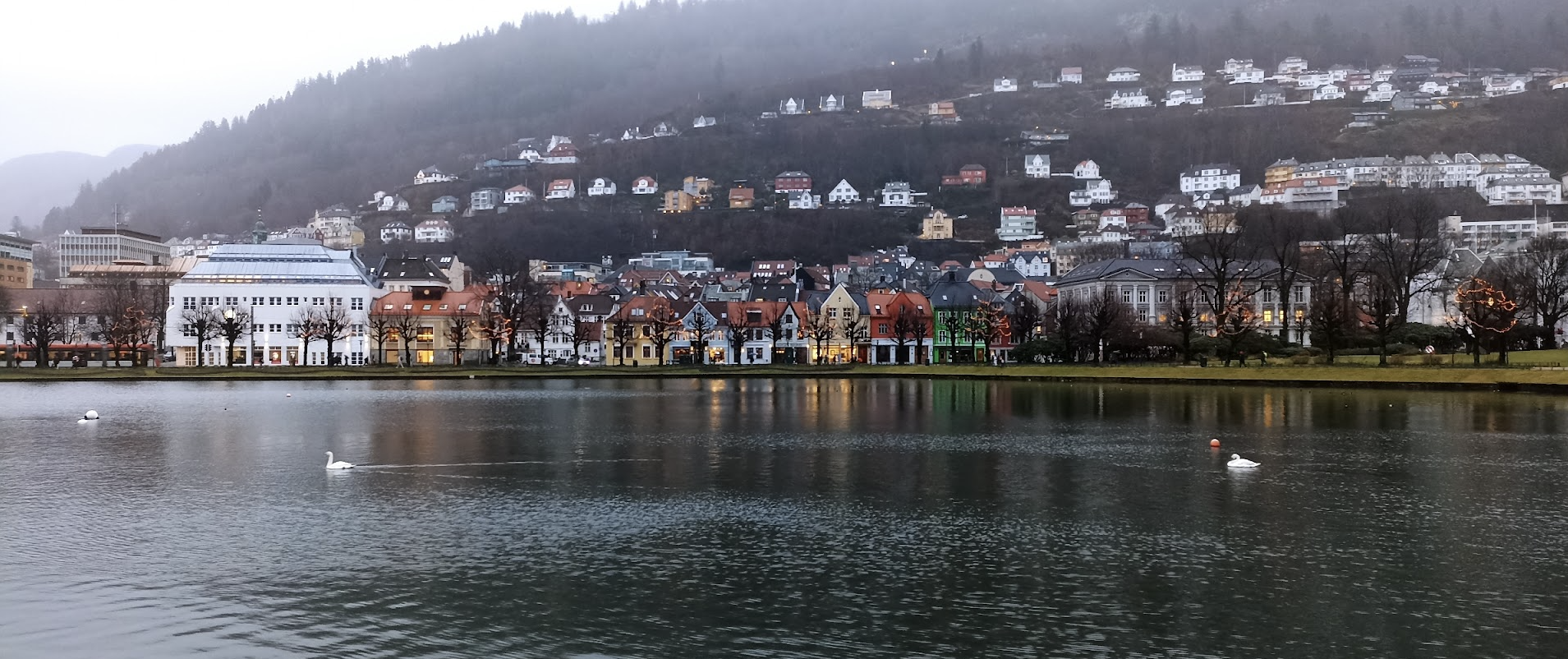
Bergen cityscape
Bergen, Norway, is characterized by colorful wooden houses clustered around its harbor. The city is nestled between mountains and the sea, providing a dramatic backdrop for urban life. Bergen was once an important trading hub of the Hanseatic League, contributing to its rich maritime history. The iconic Bryggen wharf showcases this heritage through its well-preserved buildings.
📍Bergen
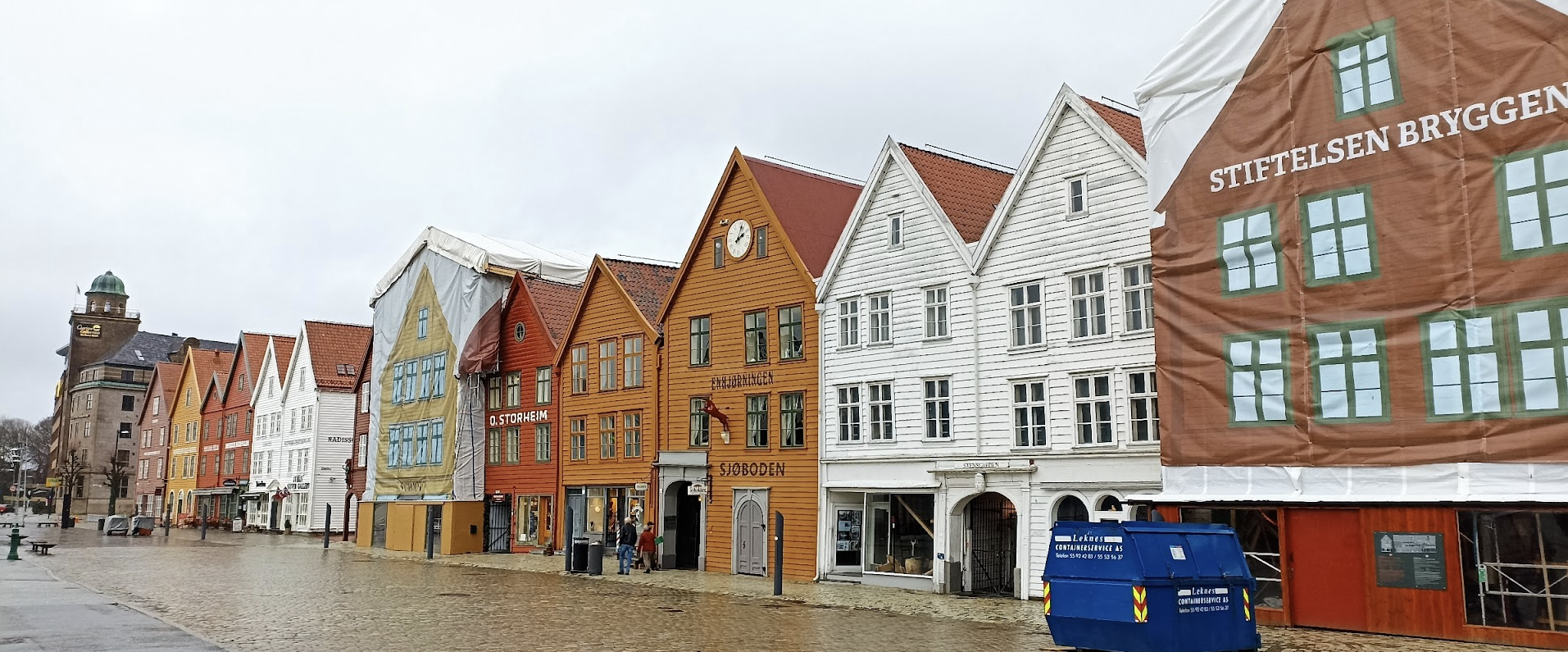
Bryggen
Bryggen, also known as Tyskebryggen, is a series of Hanseatic commercial buildings lining the eastern side of the Vågen harbour in Bergen, Norway. Bryggen was built after the great fire of 1702, following the same basic plan as the previous structures. The wharfside is included on UNESCO's World Heritage List, recognizing its importance to Bergen's history.
📍Bergen
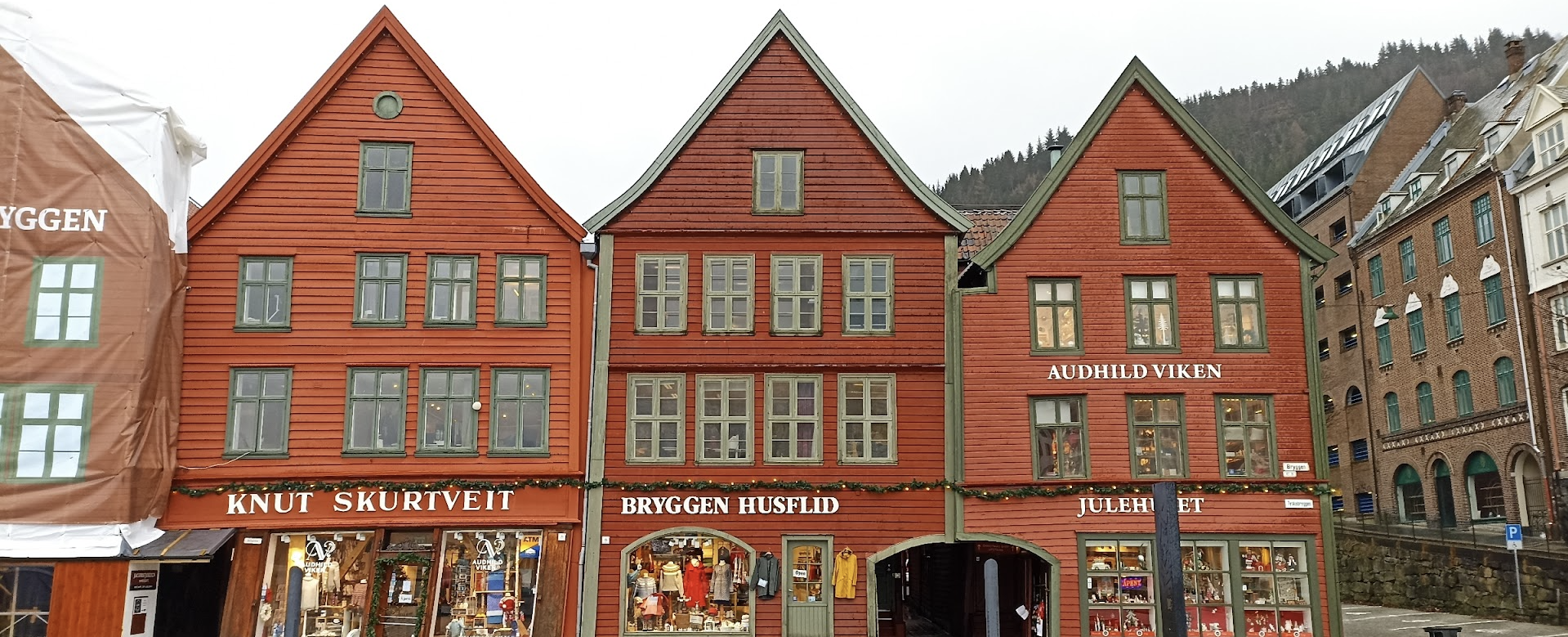
Bryggen
Bryggen, also known as Tyskebryggen (the German Wharf), is a series of historic wharf buildings lining the eastern side of the Vågen harbour in Bergen, Norway. These colorful wooden structures are a UNESCO World Heritage site, representing the history of Bergen as a major trading hub in the Hanseatic League. The buildings have been repeatedly destroyed by fire over the centuries, but have been rebuilt, closely following traditional construction techniques and plans, preserving the historical character of the area. Today, Bryggen is a vibrant cultural center and tourist attraction.
📍Bergen
1–10 of 19 photos