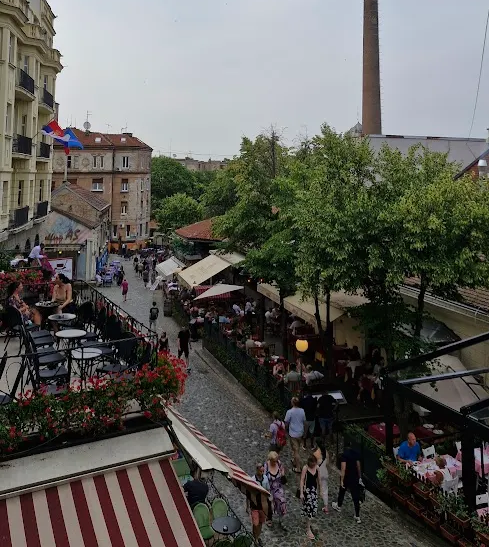
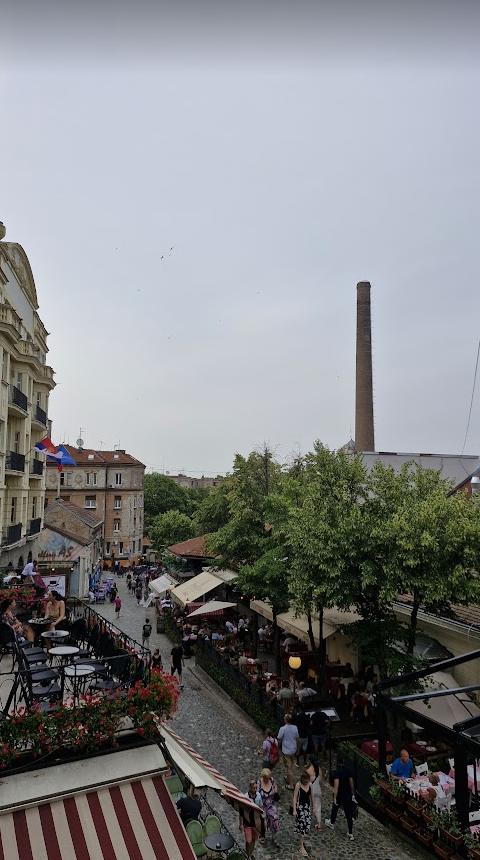
Skadarlija
Skadarlija is a historic bohemian quarter in Belgrade, Serbia, often referred to as the 'Montmartre of Belgrade'. It emerged in the late 19th and early 20th centuries as a gathering place for artists, writers, and poets. The street is known for its cobbled pathways, traditional restaurants, and live music, reflecting the city's rich cultural heritage. It remains a popular tourist destination, offering a glimpse into Belgrade's vibrant past.
📍Belgrade
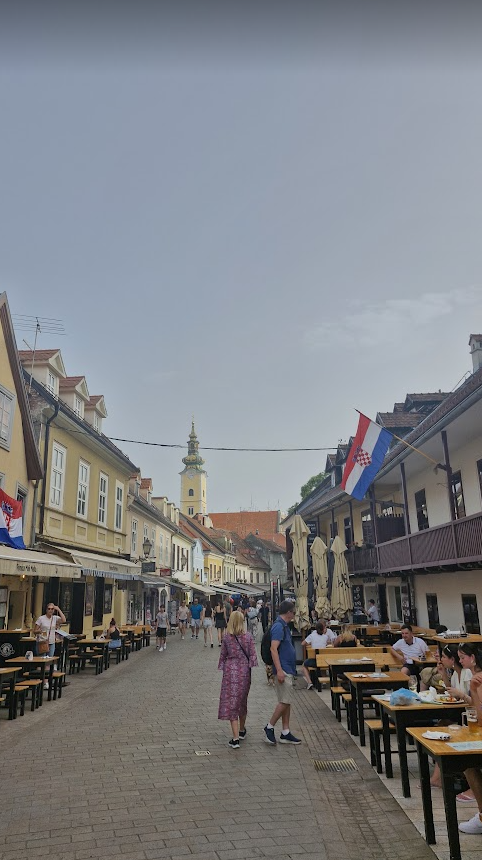
Zagreb's Upper Town is characterized by its medieval streets, historical buildings, and vibrant street life. The area features numerous cafes, restaurants, and shops that cater to both locals and tourists. Cobblestone streets add to the historical charm, while notable landmarks like St. Mark's Church contribute to the city's cultural heritage.
📍Zagreb
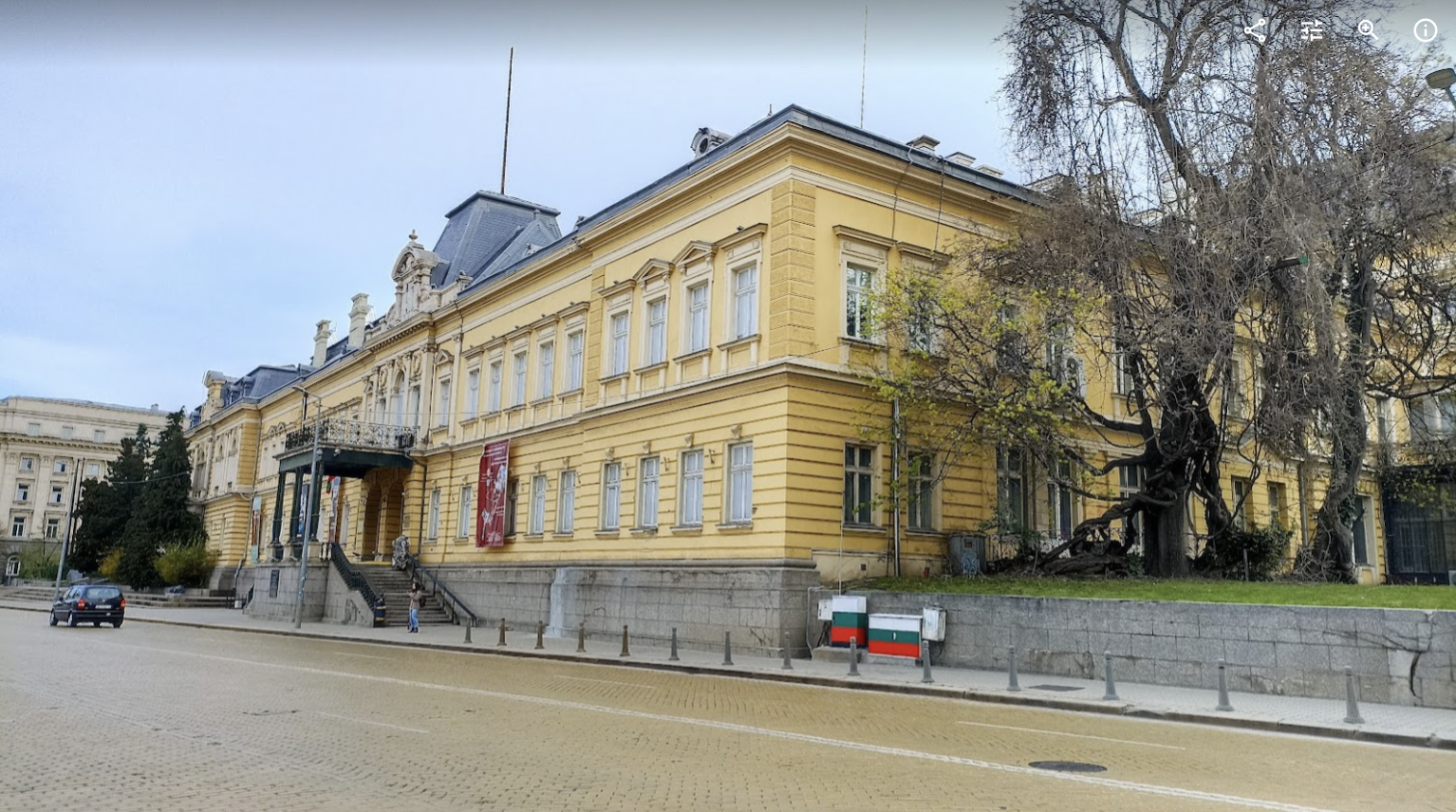
National Art Gallery, Sofia
The National Art Gallery in Sofia, Bulgaria, is housed in a historic building dating back to the late 19th century. Originally built as a royal palace, it served as the residence of Bulgarian monarchs before being repurposed into a gallery in the mid-20th century. Today, it showcases a vast collection of Bulgarian art from the Middle Ages to the present day, providing insights into the country's artistic heritage and cultural evolution. The gallery plays a vital role in preserving and promoting Bulgarian art, attracting both local and international visitors.
📍Sofia
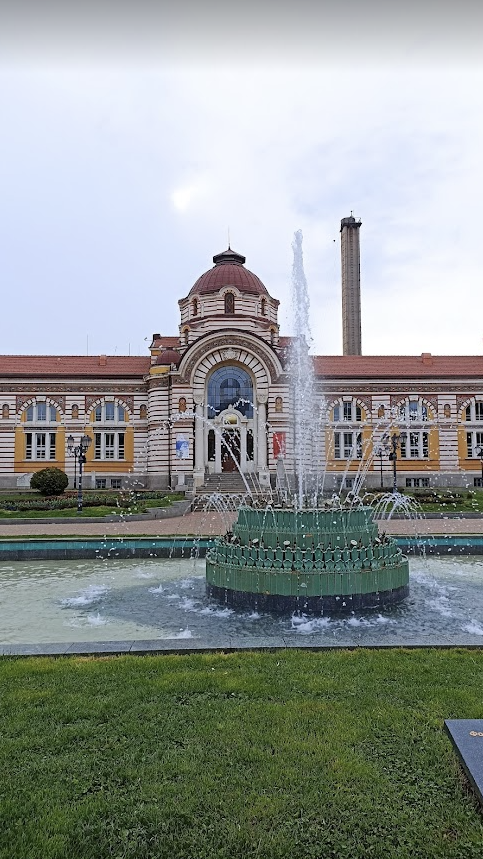
Sofia Public Mineral Baths
The Sofia Public Mineral Baths is a landmark building in the city center of Sofia, Bulgaria. It was built in the early 20th century in the Neo-Byzantine style in order to make use of Sofia's mineral springs. Today the building houses the Regional History Museum having been renovated between 1986 and 2009. The fountain in front of the building also utilizes the warm mineral water, a popular spot for locals and tourists alike.
📍Sofia
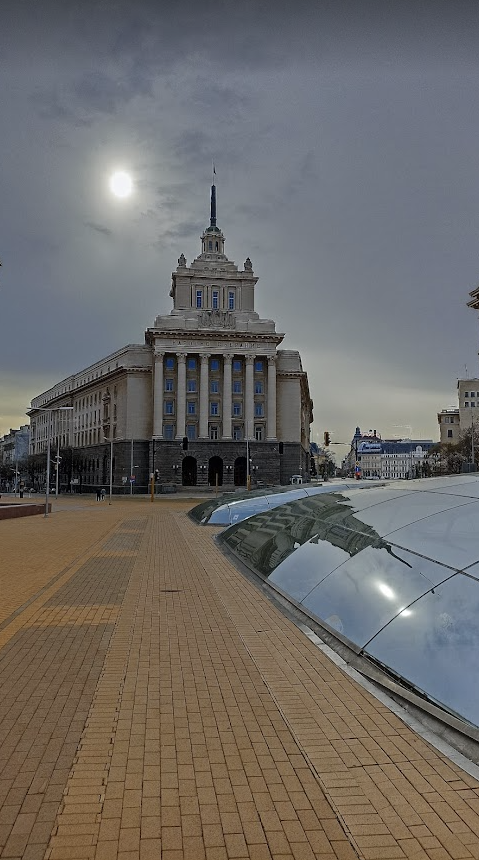
Largo
The Largo is a complex of buildings in Sofia, Bulgaria, considered an emblem of Bulgarian totalitarian architecture. Constructed in the 1950s, it consists of three main buildings: the former Party House, now housing offices of the National Assembly; the Presidency; and the Council of Ministers. The architectural style is Stalinist neoclassical, featuring grand structures and elaborate decorations intended to showcase the power of the government.
📍Sofia
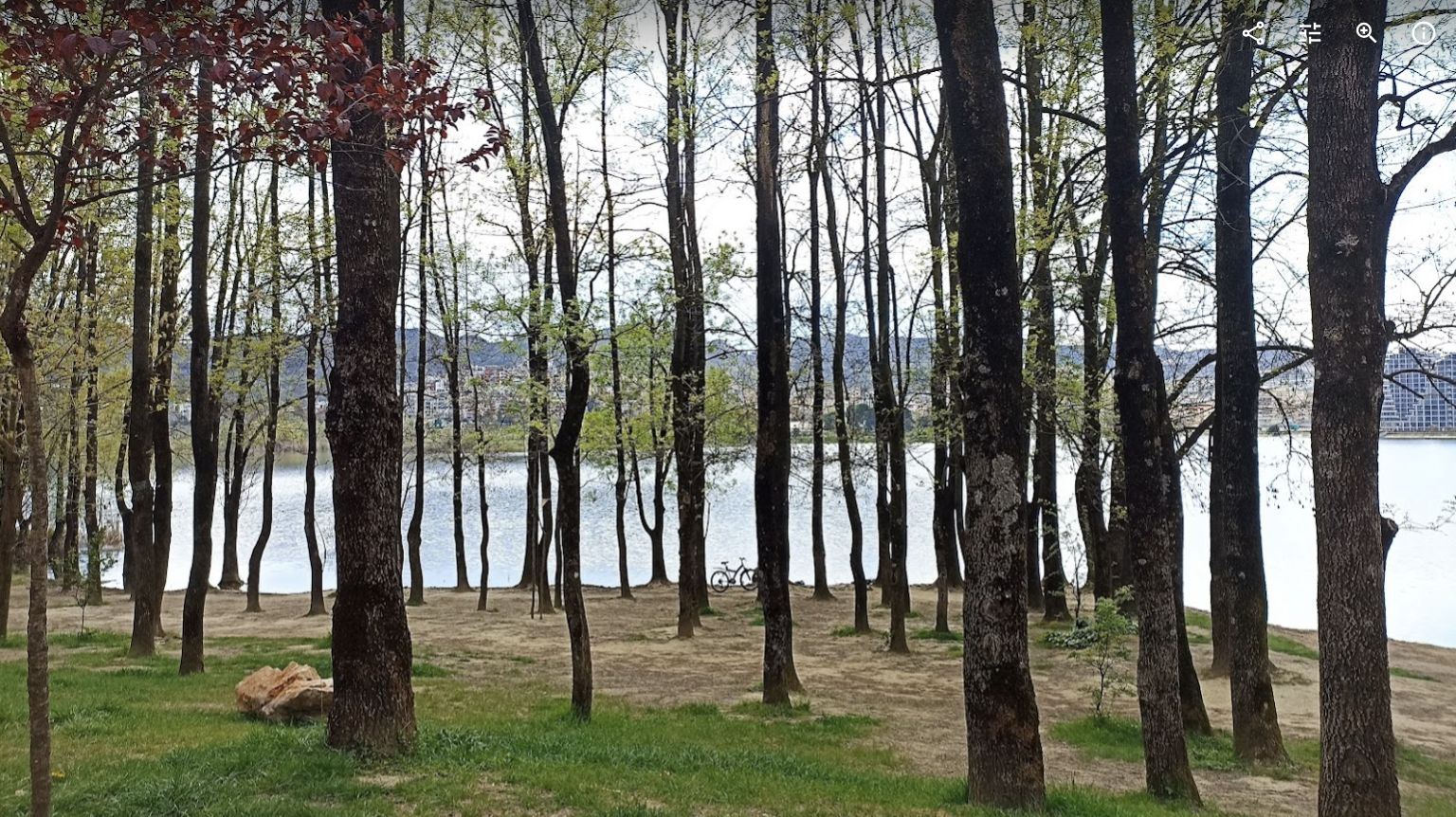
Temperate deciduous forests are characterized by a moderate climate, abundant rainfall, and a distinct change of seasons. Trees such as oak, maple, and beech are common, shedding their leaves in the fall to conserve energy during the cold winter months. These forests support a diverse array of plant and animal life dependent on the seasonal cycles of growth and dormancy. Many travelers find these changing forests an amazing thing to admire and view the different seasons.
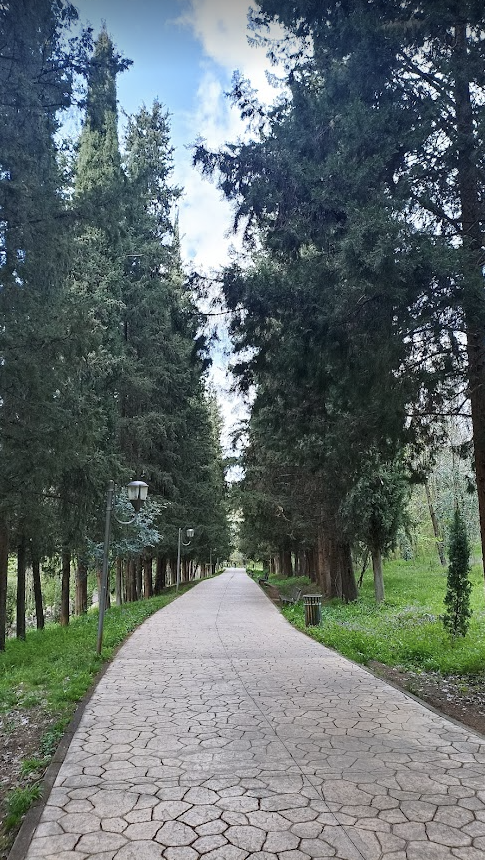
This path lined with trees leads toward a light, likely representing an opening or exit from the forested area. Such curated natural environments offer visitors a space for contemplation, recreation, and connection with the outdoors. The design of the pathway encourages exploration and invites people to immerse themselves in the beauty of the surrounding landscape.
📍Null
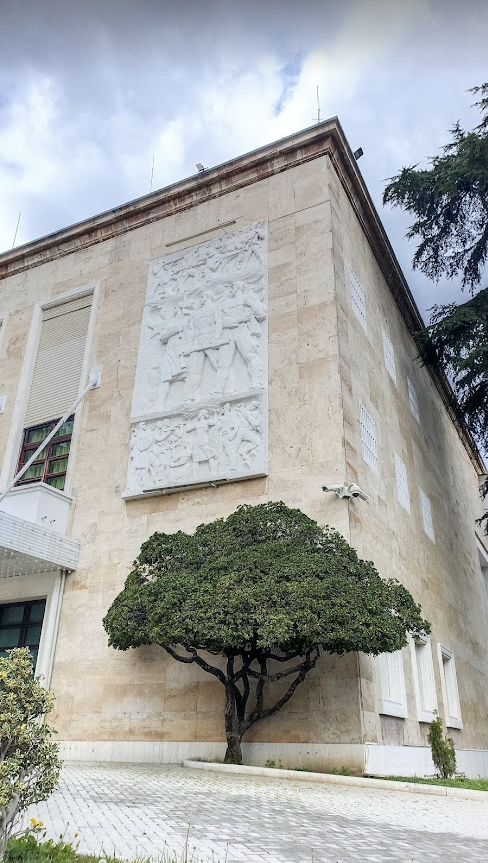
Museum of National History, Tirana
The National Historical Museum in Tirana is Albania's largest museum. It was inaugurated on October 28, 1981, and contains an extensive collection covering Albania's history from antiquity to the post-communist period. The facade features a large mosaic titled 'The Albanians', which depicts figures representing different periods of Albanian history and the struggles for national identity.
📍Tirana
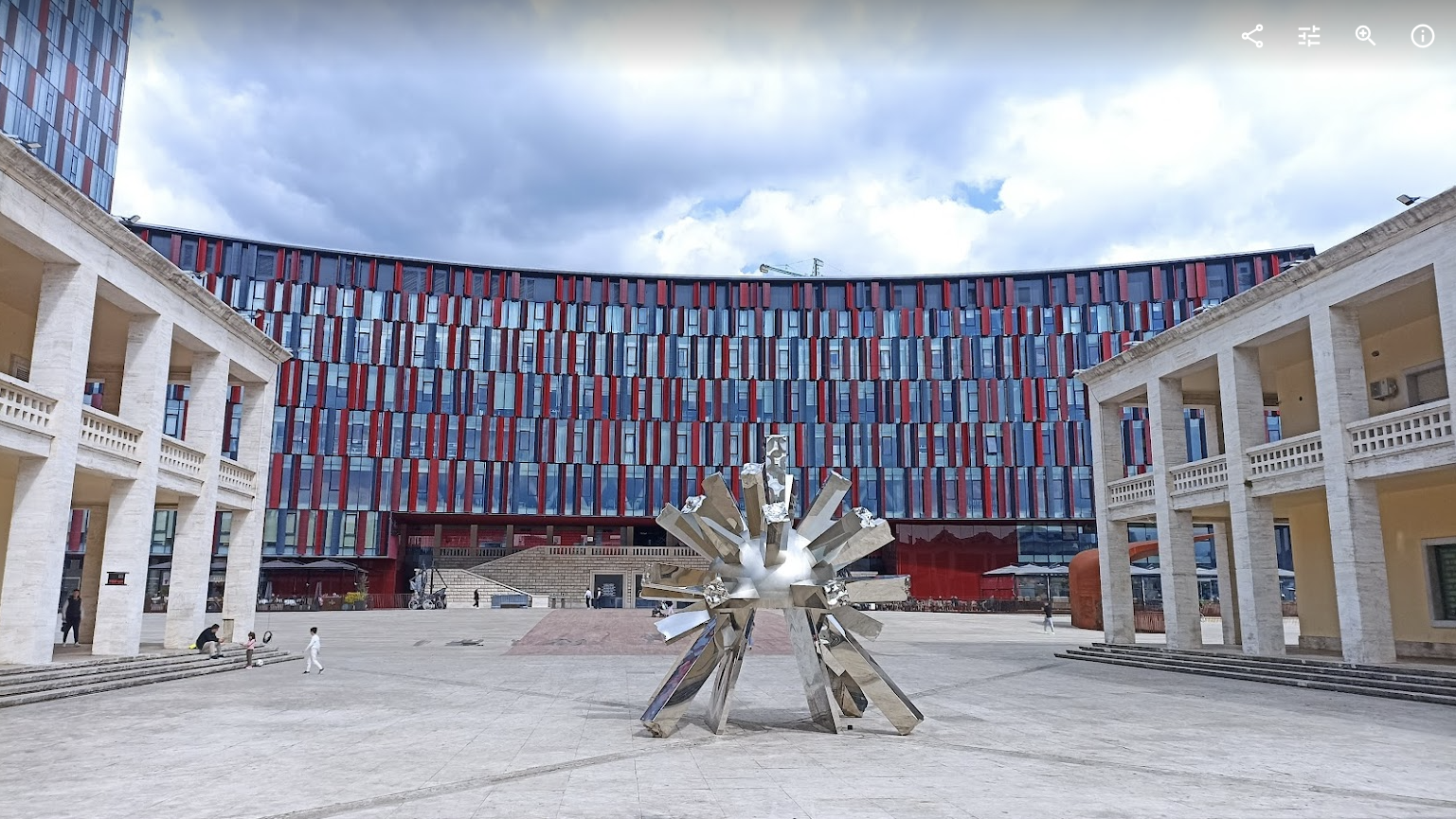
Unknown, but likely a government building or university
The architecture represents a blend of Italian fascist-era design, prevalent during the 1930s and 1940s, and modern construction. The colonnades and monumental scale echo the fascist aesthetic, while the red and grey curtain wall facade suggests a more contemporary approach. These buildings often served as symbols of state power and modernity, intended to project strength and progress. Such architectural styles reflect the complex political and historical influences that have shaped the urban landscape in various regions.
📍Null
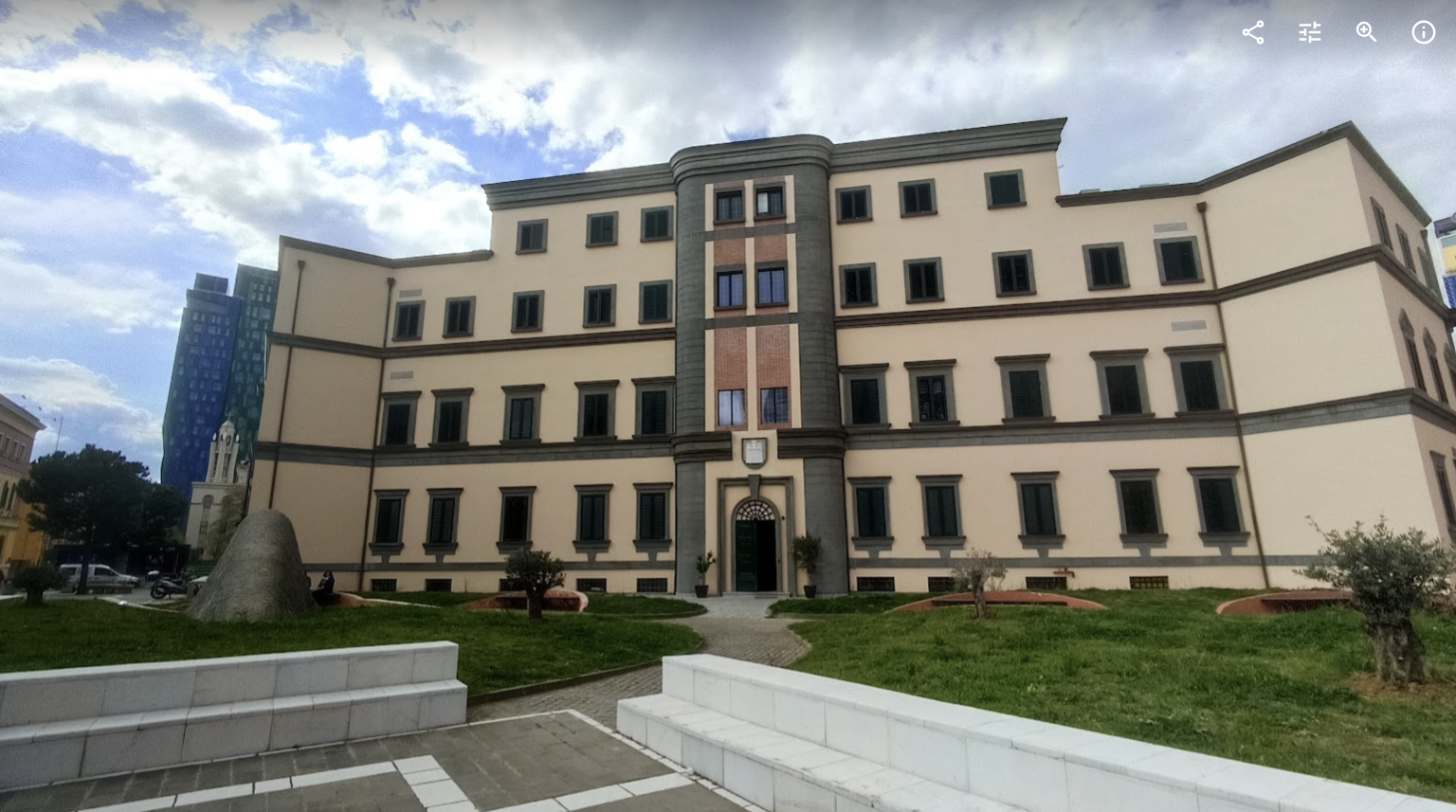
The architecture displays a blend of classical and modern elements, showcasing symmetry and proportion. It is common that buildings in this style often feature symmetrical facades, rows of windows, and a solid foundation, reflecting the values of stability and order. Such structures serve not only as functional spaces but also as symbols of civic pride and cultural heritage.
1–10 of 16 photos