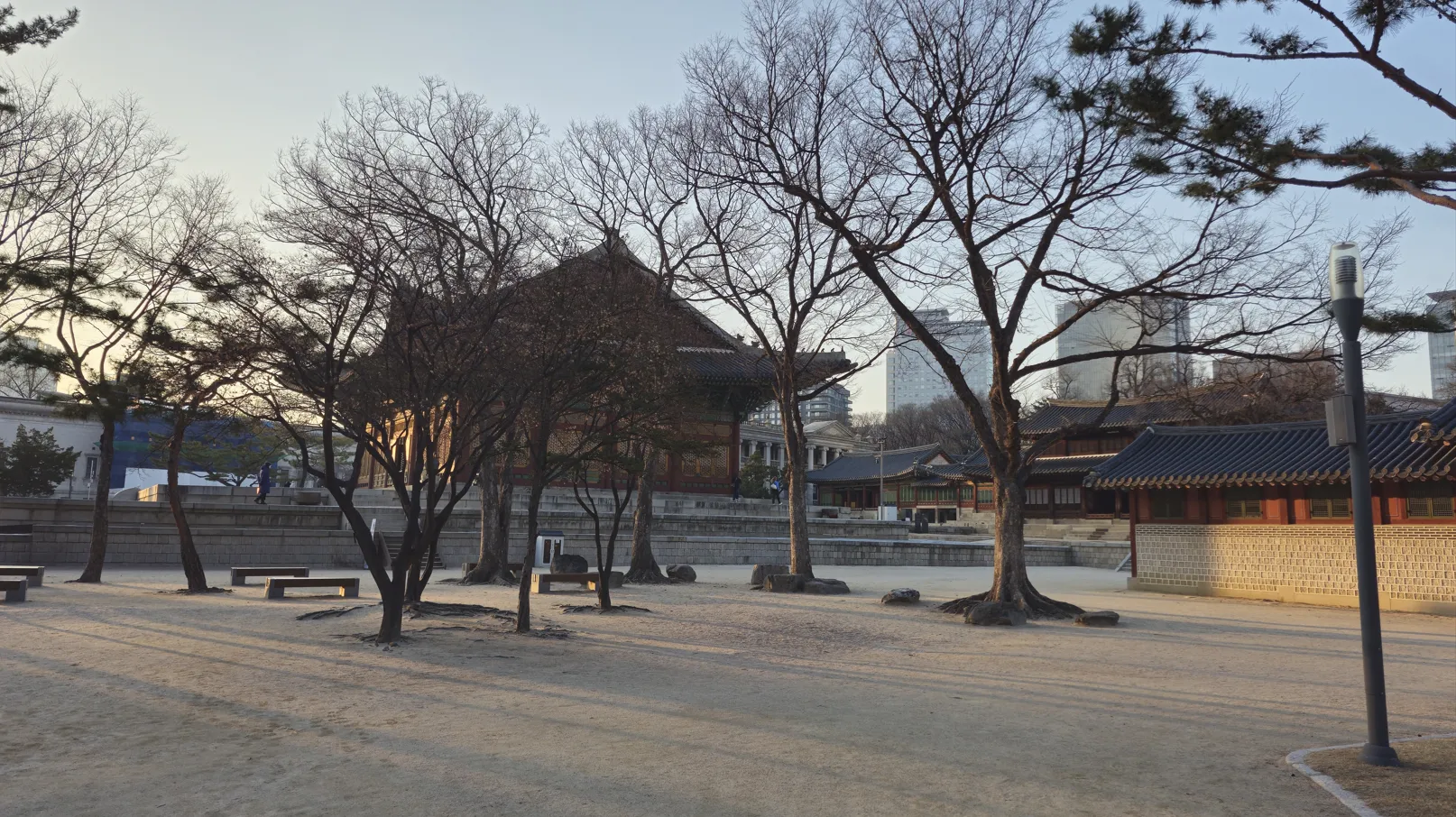
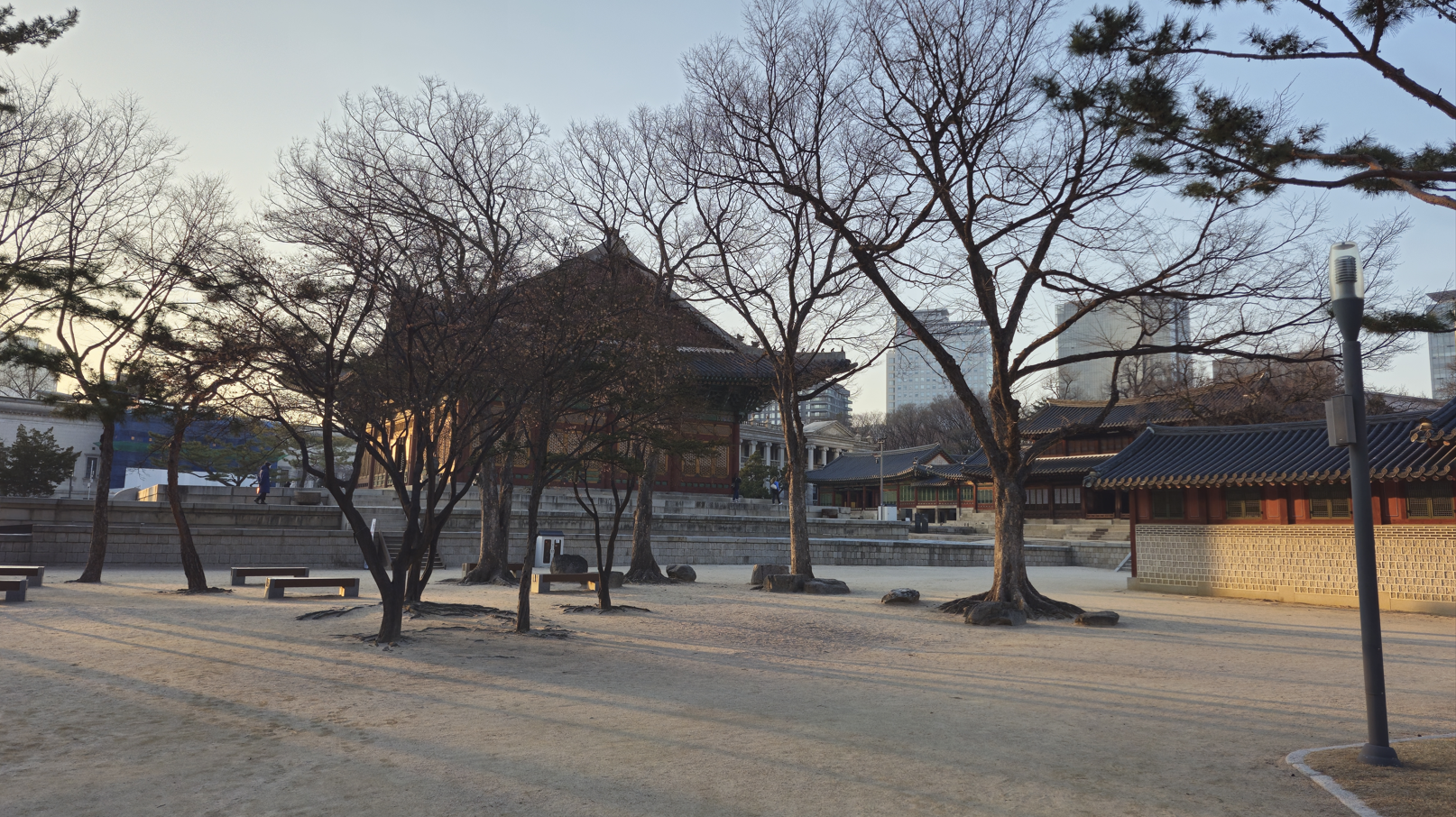
Changdeokgung Palace
Changdeokgung Palace, located in Seoul, is one of the "Five Grand Palaces" built by the Joseon Dynasty. It was favored by many Joseon kings and retains many elements dating back to the 15th century, including the Secret Garden (Biwon). The palace complex is renowned for blending harmoniously with the natural landscape, reflecting a key principle of Korean architecture. In 1997, Changdeokgung was designated as a UNESCO World Heritage Site.
📍Seoul
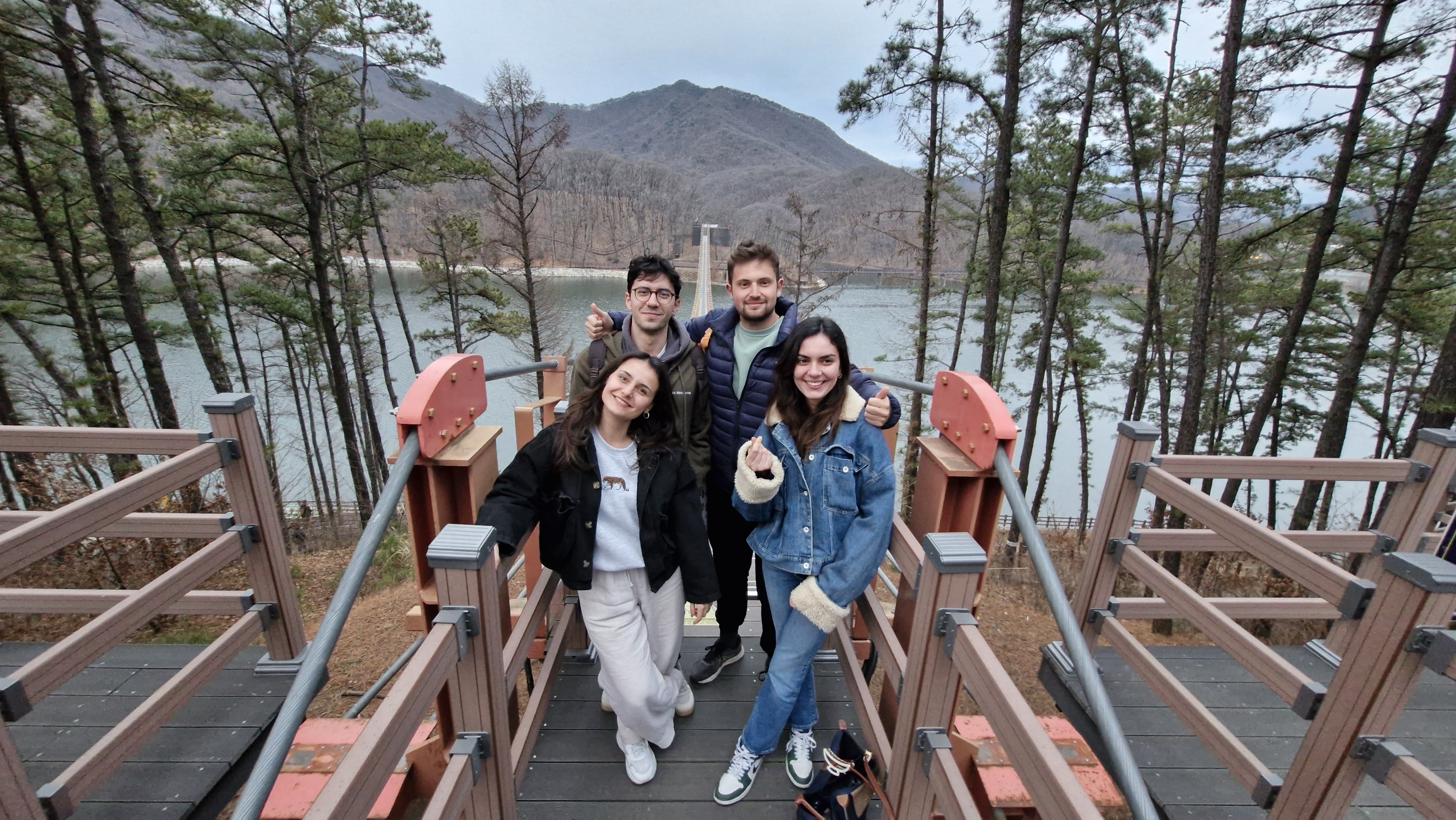
South Korea's landscape is characterized by its mountainous terrain, with approximately 70% of the country covered by mountains. The eastern coastline is steep, while the southern and western coasts are highly indented. These varied landscapes create unique ecosystems and habitats for diverse flora and fauna.
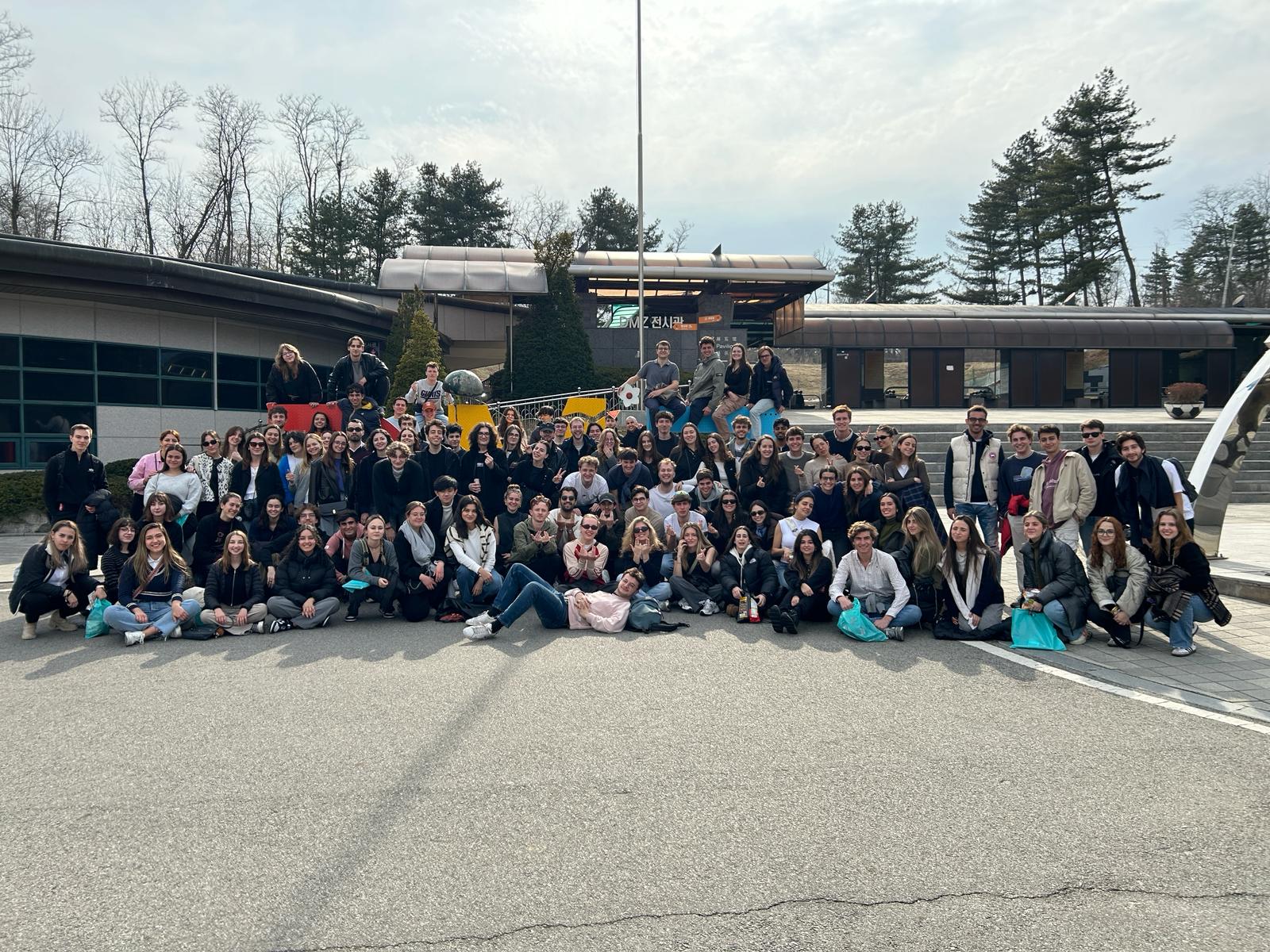
DMZ Exhibition Hall
The DMZ Exhibition Hall is located within the Joint Security Area (JSA) of the Korean Demilitarized Zone (DMZ). It provides historical context and information about the Korean War and the division of the peninsula. Exhibits typically include artifacts, photographs, and videos illustrating the conflict and its aftermath. The hall serves as an educational resource for visitors seeking to understand the complex political and military dynamics of the region.
📍Korean Demilitarized Zone
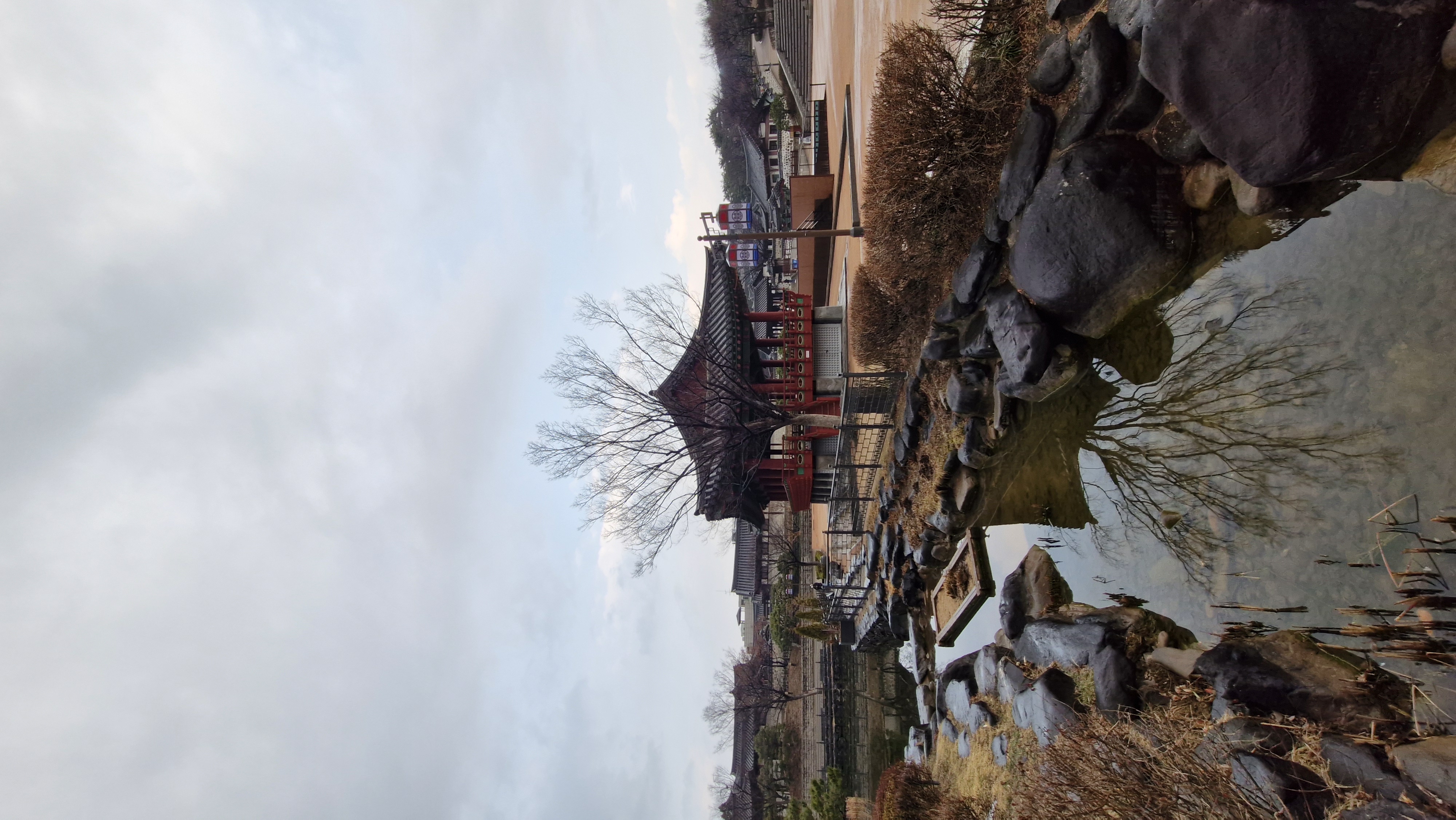
The architecture visible is likely a traditional Korean pavilion, often found in gardens, temples, or palaces. These structures are built using the traditional Korean wooden architecture style, characterized by intricate bracket systems, tiled roofs with upturned eaves, and vibrant decorative painting. Such pavilions served as places for rest, contemplation, or social gatherings. Their open design connects inhabitants with the natural surroundings.
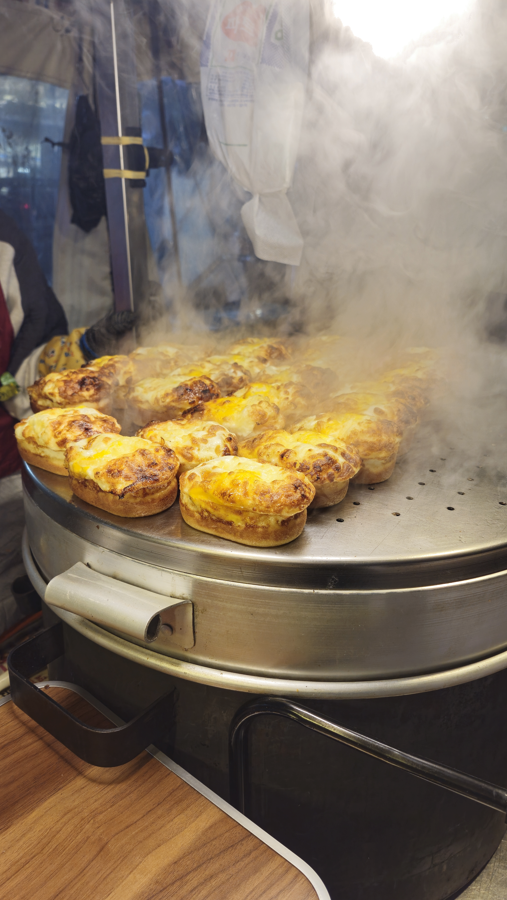
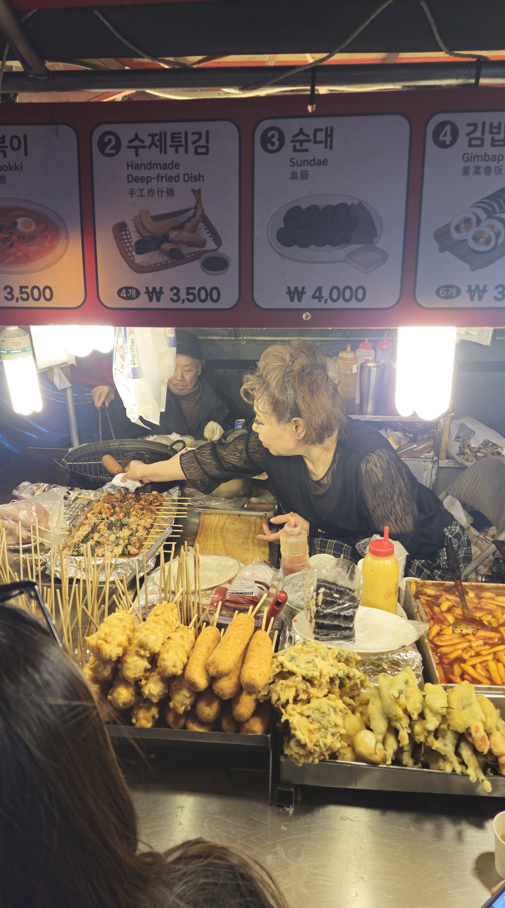
Korean street food
Korean street food offers a diverse array of flavors and culinary experiences. Popular options include tteokbokki (spicy rice cakes), sundae (blood sausage), and various types of fried foods known as twigim. These dishes showcase unique ingredients and traditional cooking methods reflecting Korea's rich culinary heritage.
📍Null
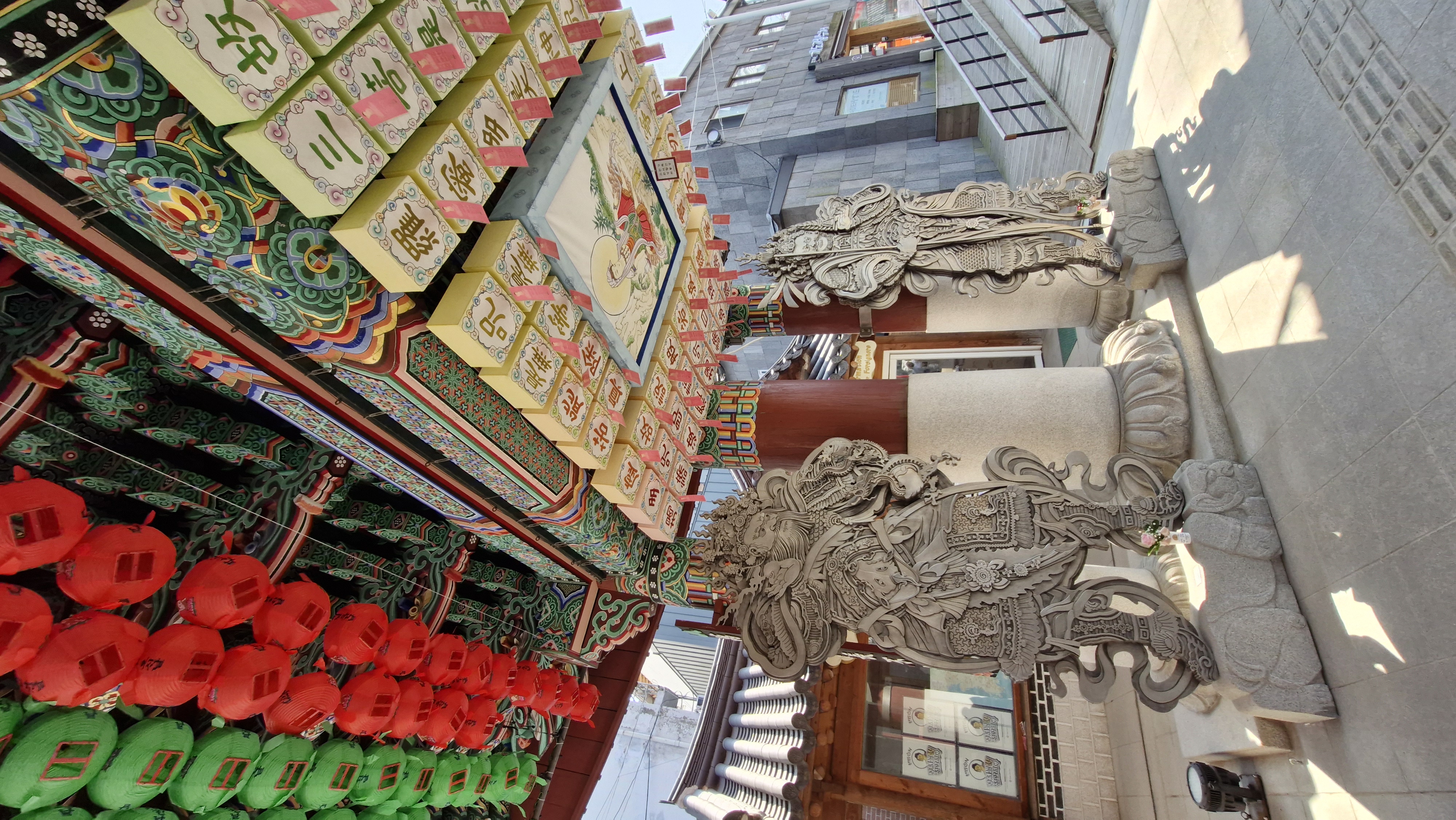
Jogyesa Temple
Jogyesa is the chief temple of the Jogye Order of Korean Buddhism, representing the center of Zen Buddhism in South Korea. Established in 1910, it plays a significant role in Korean Buddhism. The temple is known for its beautiful architecture, ancient trees, and vibrant lotus lanterns that adorn the grounds during Buddha's birthday celebrations, attracting both locals and tourists alike.
📍Seoul
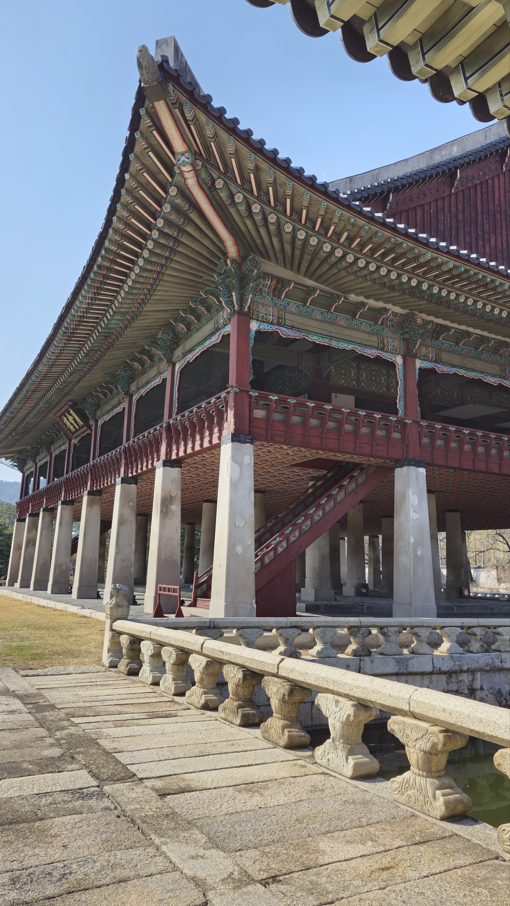
Gyeonghoeru Pavilion
Gyeonghoeru Pavilion is a magnificent structure located within the Gyeongbokgung Palace grounds in Seoul. Built as a site for royal banquets and important foreign envoy receptions, it showcases traditional Korean architectural techniques. The pavilion sits atop a large man-made pond with forty-eight stone pillars supporting the upper structure, creating a stunning reflection on the water. It served as a place for kings and courtiers to enjoy the scenic beauty and conduct affairs of state.
📍Seoul
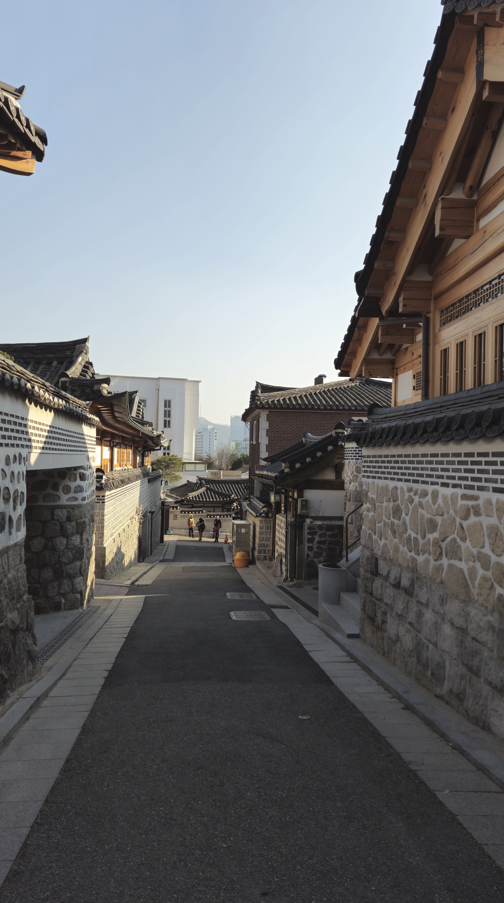
Bukchon Hanok Village alley
Bukchon Hanok Village is a historic district in Seoul, South Korea, characterized by traditional Korean houses called 'hanok.' These residences, dating back to the Joseon Dynasty, feature distinctive tiled roofs and courtyards. Preserving its historical atmosphere, Bukchon offers visitors a glimpse into traditional Korean architecture and urban design, providing a unique cultural experience within the modern cityscape.
📍Seoul
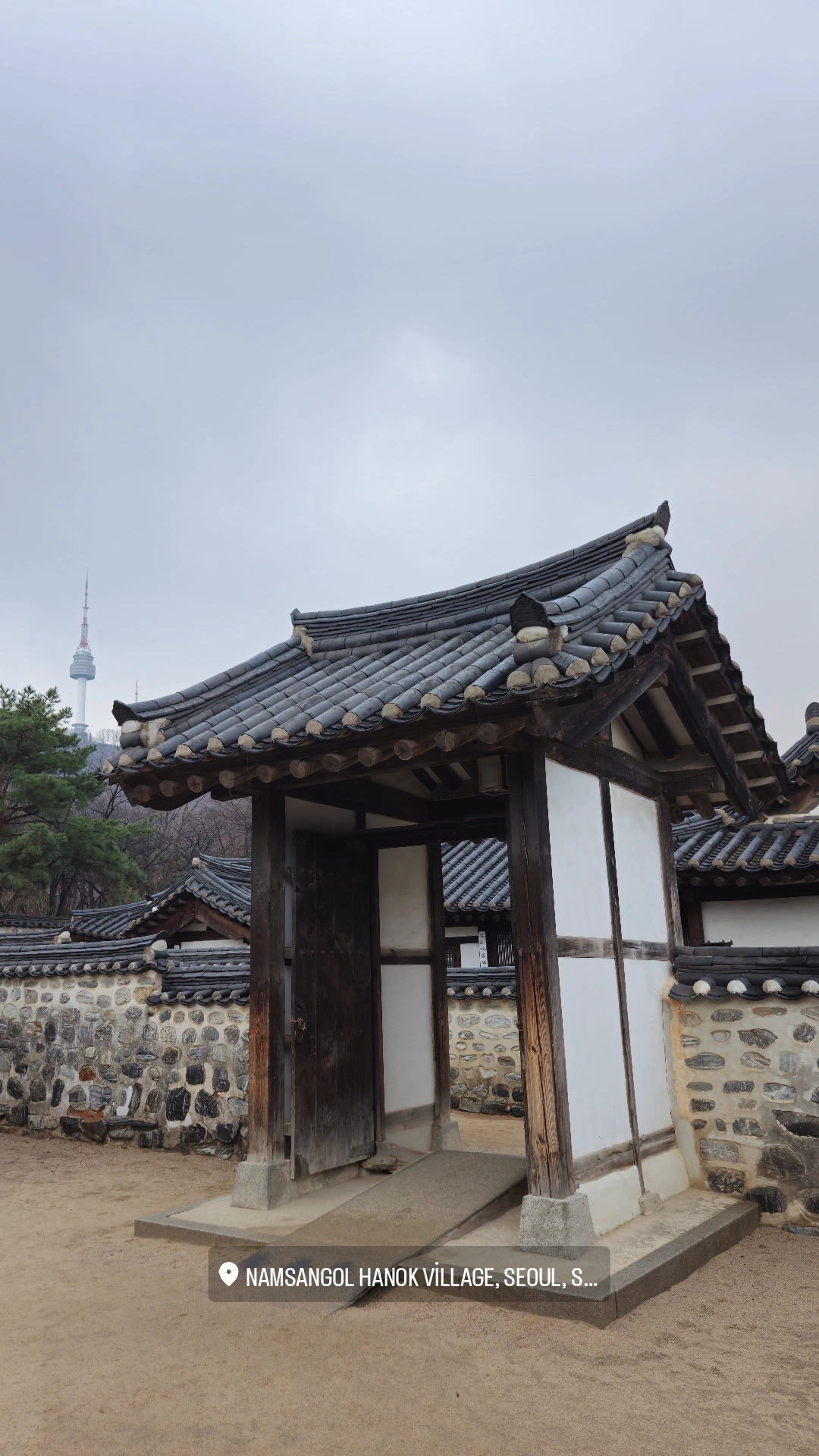
Namsangol Hanok Village
Namsangol Hanok Village is a complex of restored traditional Korean houses representing different social classes from the Joseon Dynasty. Each house belonged to a different rank of society, displaying varying architectural styles and furnishings that reflected the owner's status and lifestyle. The village provides visitors with a glimpse into traditional Korean life through its preserved buildings and cultural performances. It also features a traditional Korean garden, offering a peaceful place to explore the natural beauty of the area.
📍Seoul
1–10 of 28 photos