Biologiska museet
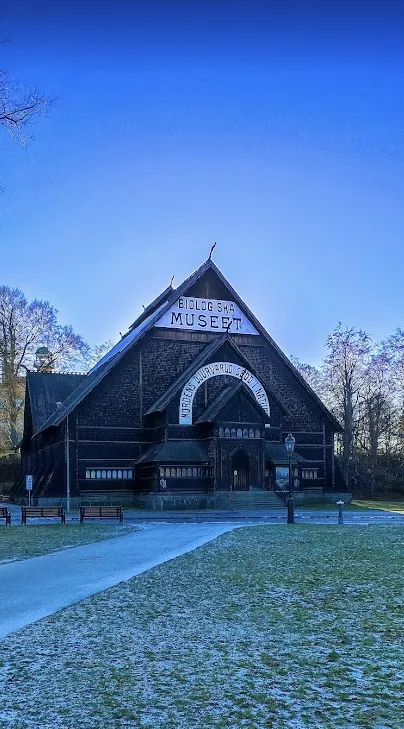
Biologiska museet, or the Biological Museum, is a renowned building in Stockholm, Sweden. It was built in 1893 according to a design by architect Agi Lindegren, and is known for its diorama representing Scandinavian fauna. Its architecture is inspired by stave churches, reflecting historical Nordic design elements. The museum showcases the natural history of Scandinavia in a visually striking way.
📍Stockholm
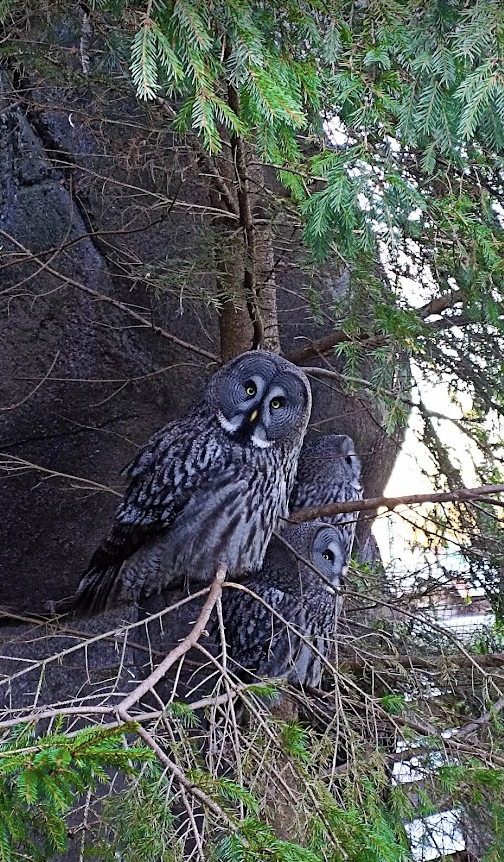
Great Grey Owl
Great Grey Owls are one of the world's largest owl species, named for their predominately grey plumage. They are primarily found in Sweden's northern boreal forests, where they hunt small mammals using their exceptional hearing to locate prey beneath the snow. These owls are known for their calm demeanor. Great Grey Owls play a vital role in controlling rodent populations, contributing to the health of the forest ecosystem.
📍Sweden
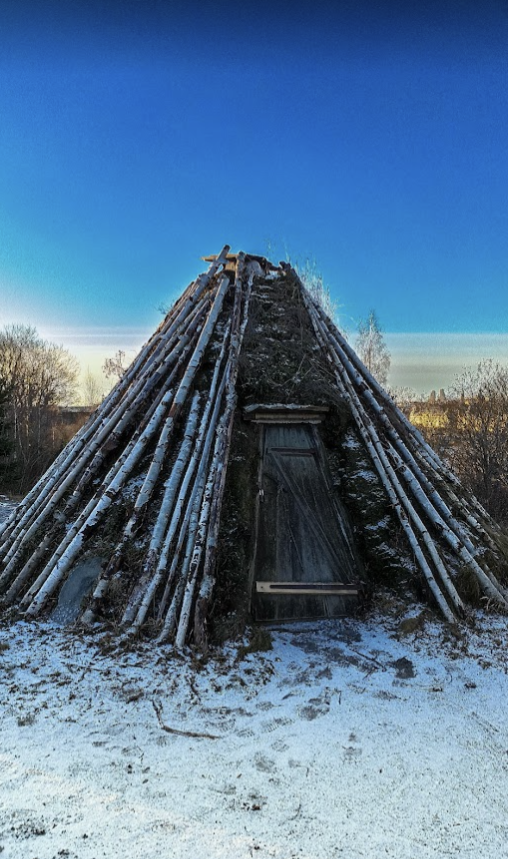
Sami Goathi
A Goathi is a traditional Sami dwelling, constructed from timber and covered with earth, peat, or birch bark for insulation. Used for centuries by the indigenous Sami people of northern Scandinavia, these cone-shaped structures provide shelter in harsh Arctic conditions. The design reflects a nomadic or semi-nomadic lifestyle, allowing for relatively easy construction and disassembly. Historically, the goathi served as the center of Sami family and community life, emphasizing warmth, functionality, and harmony with the environment.
📍Sweden
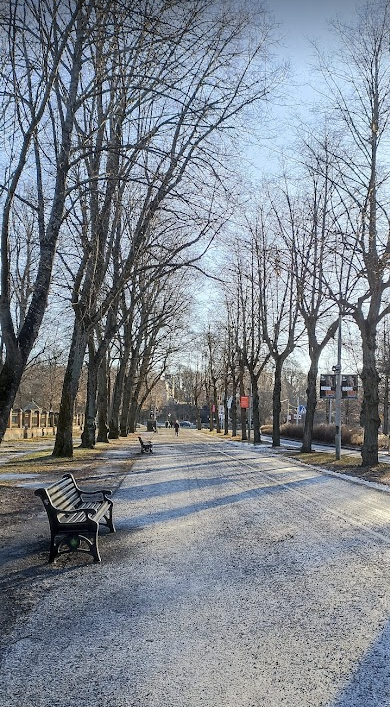
Many Swedish cities feature extensive park systems and pedestrian-friendly streets designed to promote outdoor recreation and access to nature. These spaces often incorporate features like benches, walking paths, and tree-lined avenues, inviting residents and visitors alike to enjoy the urban environment. The design reflects a historical emphasis on public health and well-being, as well as a deep connection to the natural landscape. Such public spaces serve as vital community areas for socializing, relaxation, and cultural events throughout the year.
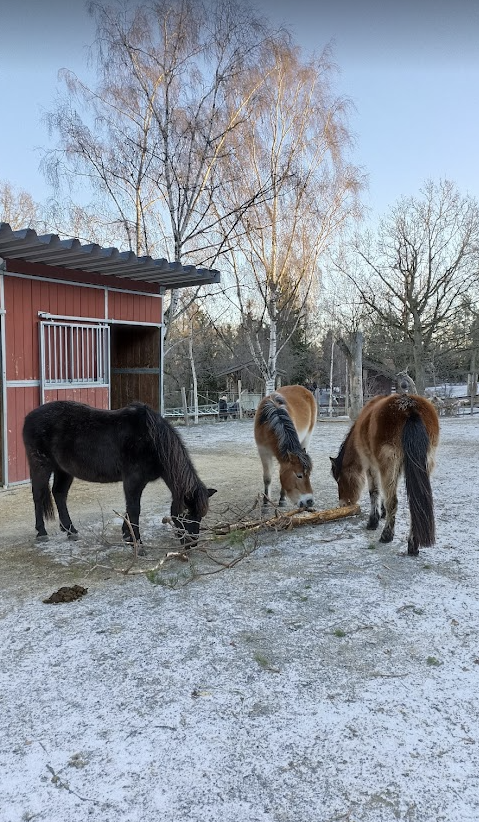
Gotland Pony
The Gotland Pony is a Swedish breed originating from the island of Gotland. It is Sweden's only native pony breed, potentially dating back to the Stone Age. Historically, they served as versatile farm animals, and today they are popular for riding and driving. Their sturdy build and gentle temperament make them well-suited for various equestrian activities.
📍Gotland
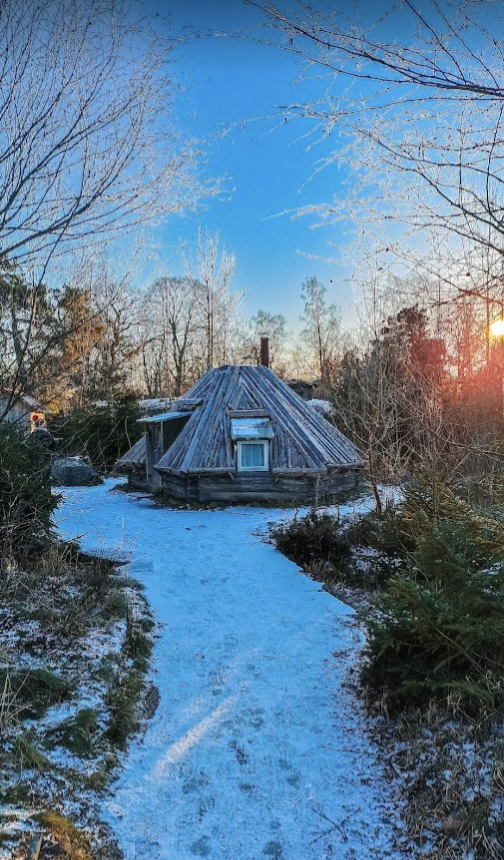
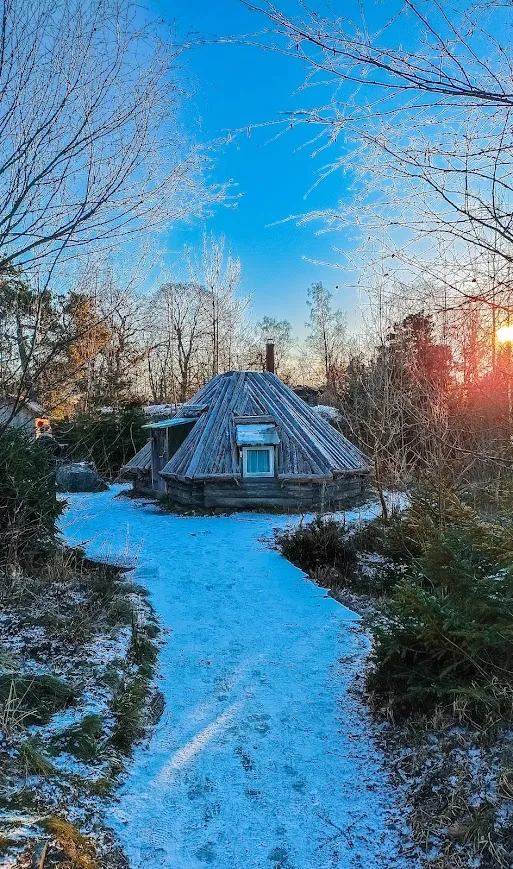
This structure appears to be a traditional Sami dwelling, often referred to as a goahti or lávvu. Historically, these were nomadic structures, easily erected and dismantled as the Sami people followed reindeer herds. The design protects against harsh Arctic weather conditions. Today, some are still used for traditional purposes, while others serve as tourist accommodations or cultural education sites.

Vasa Museum
The Vasa Museum in Stockholm houses the remarkably well-preserved Vasa warship, which sank on its maiden voyage in 1628. Salvaged in 1961, the ship provides a unique glimpse into 17th-century maritime history and shipbuilding techniques. The museum meticulously details the ship's construction, the reasons for its sinking, and the extensive conservation efforts required to preserve it for future generations. It's one of Sweden's most popular tourist attractions.
📍Stockholm
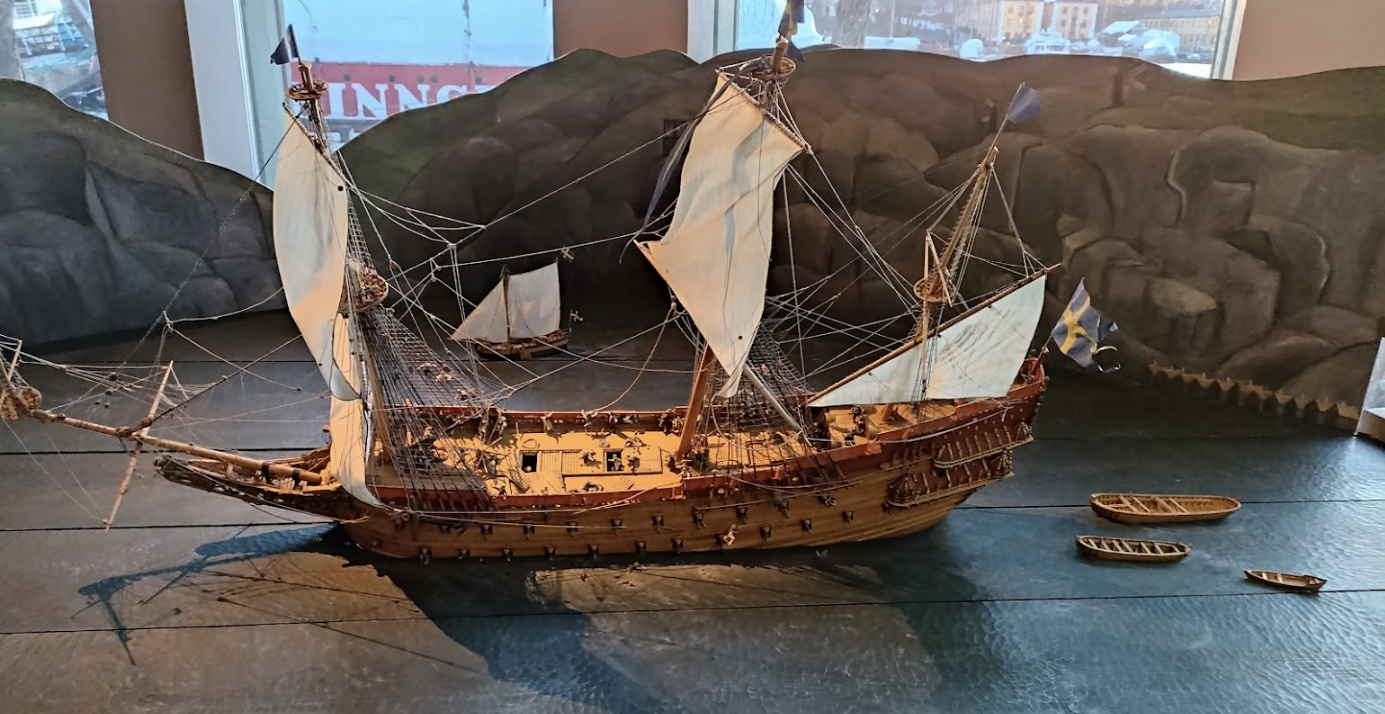
Vasa ship model
The Vasa was a Swedish warship built in the 17th century. It capsized and sank in Stockholm harbor on its maiden voyage in 1628 due to design flaws. Salvaged in 1961, it is now a remarkably preserved time capsule providing insights into shipbuilding and naval life during the era of the Swedish Empire. The Vasa Museum in Stockholm is dedicated to preserving and displaying the ship.
📍Stockholm
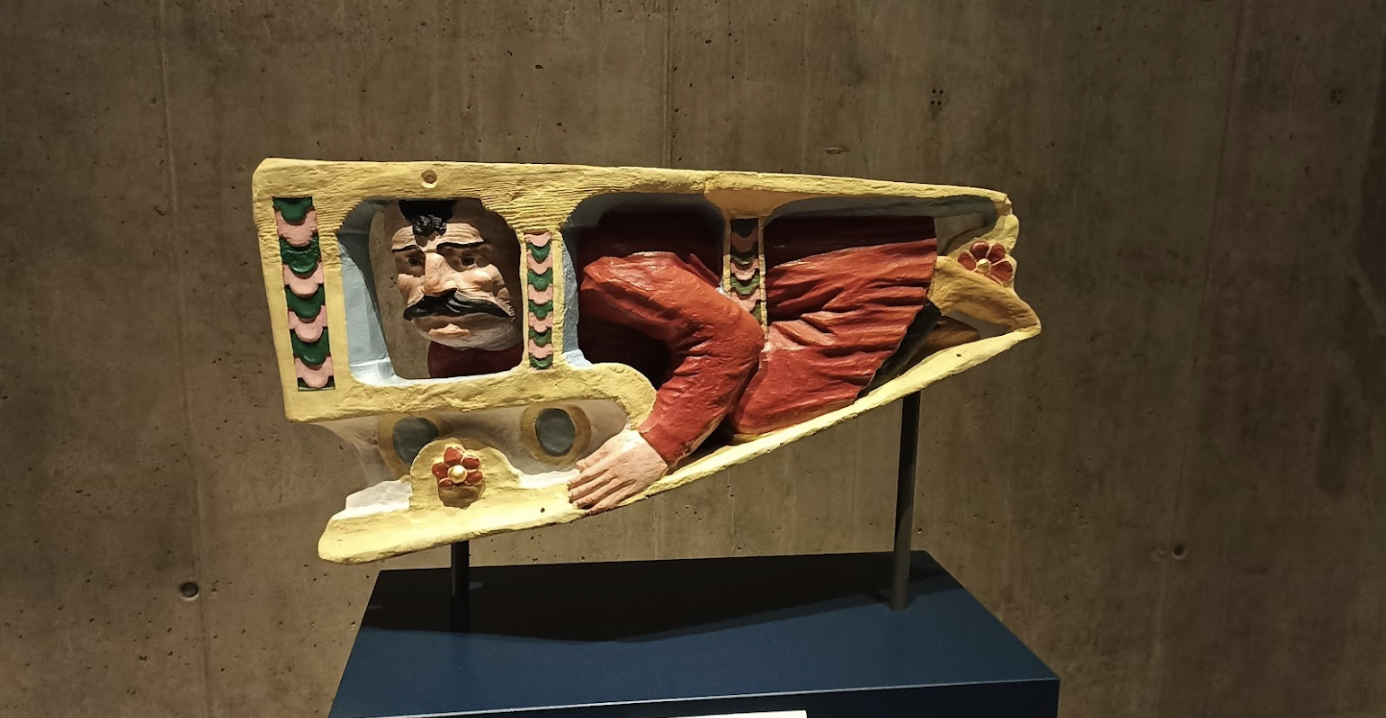
This type of figure is a 'galionsfigur,' common on Swedish ships. These carved figures, often depicting lions, gods, or national symbols, adorned the bows of vessels. Beyond aesthetics, they were believed to bring good fortune and protect the ship and crew from the dangers of the sea. Symbolically, the galionsfigur represented the ship's character and the nation it served.