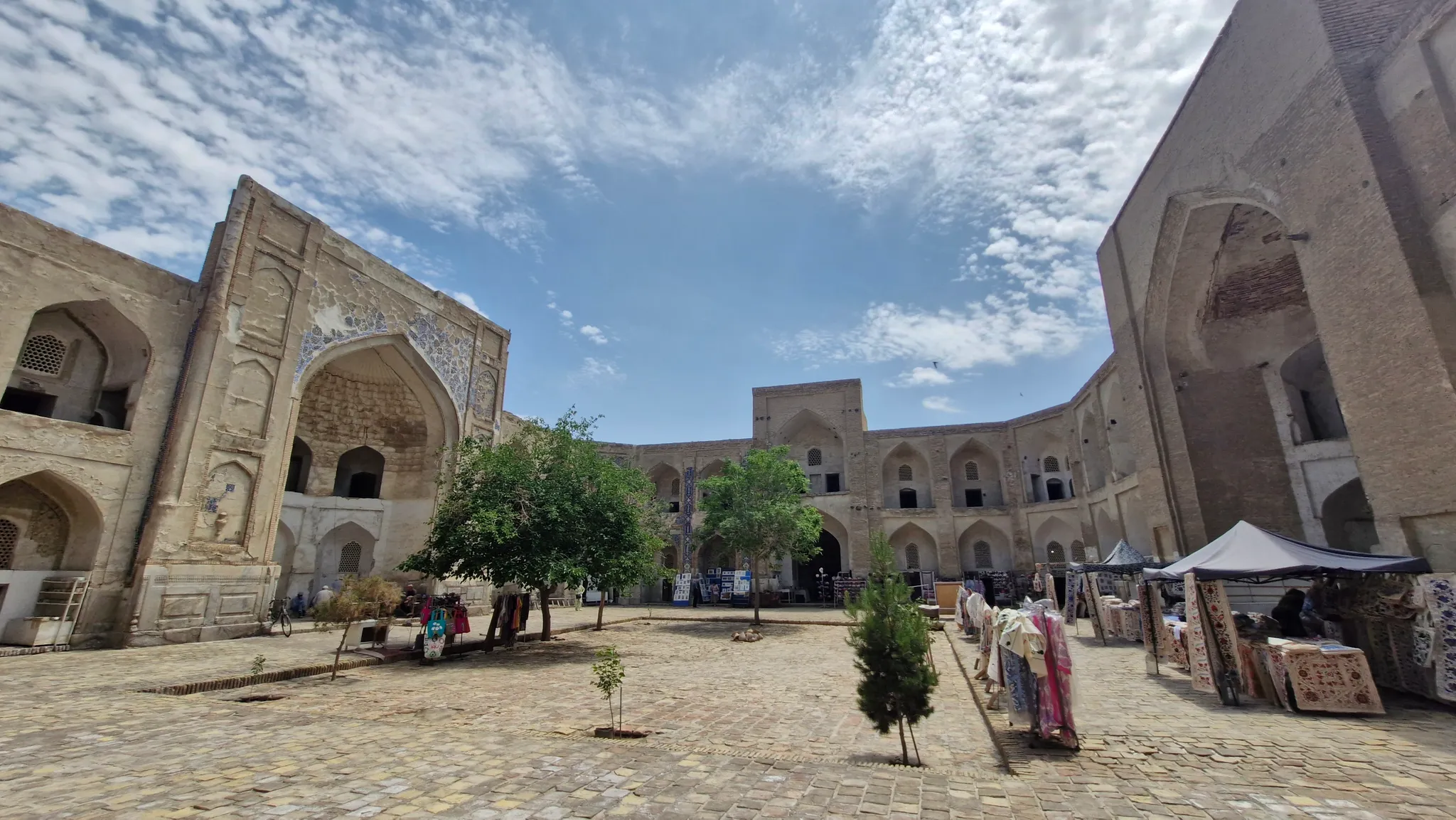
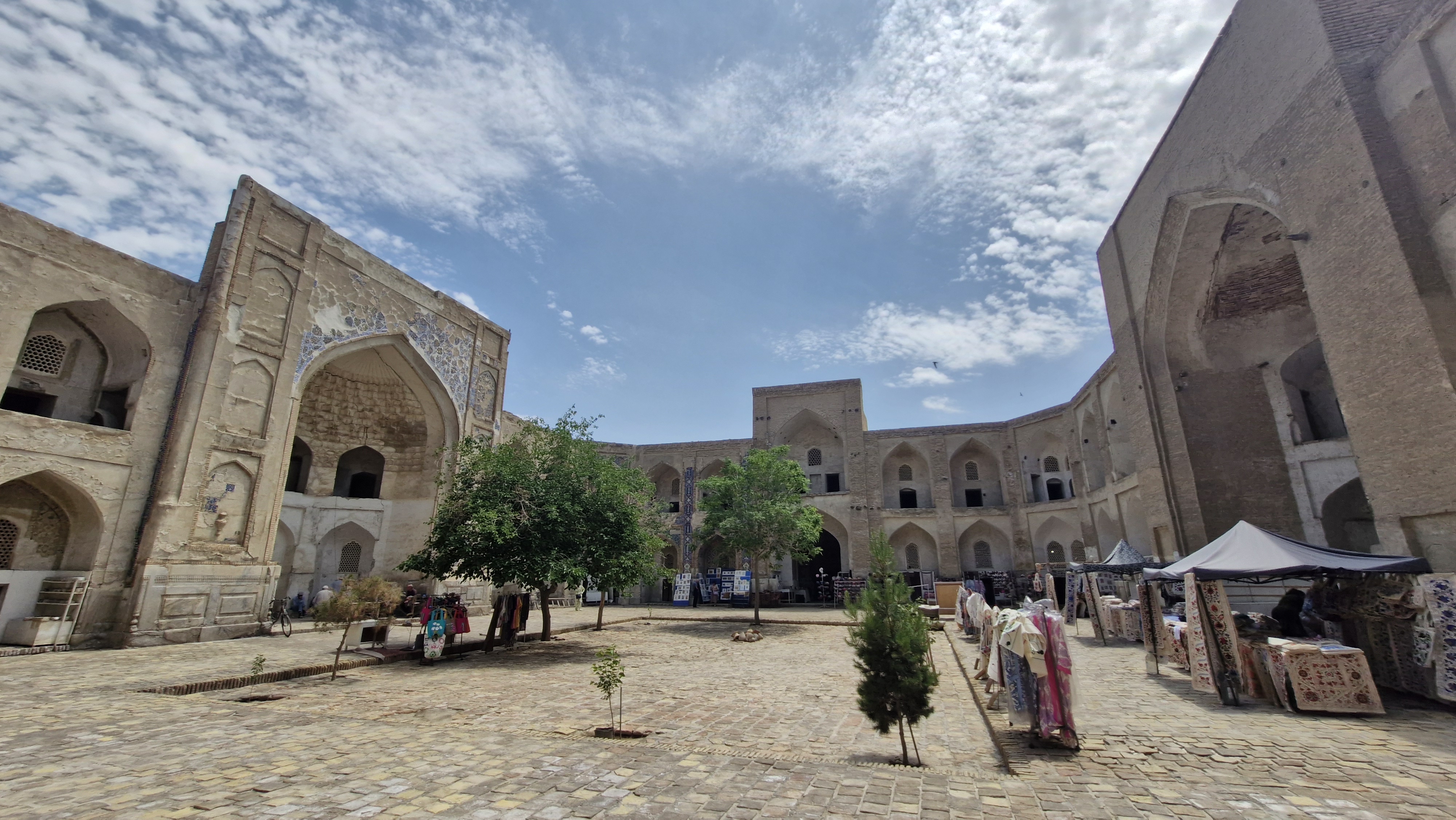
Kukeldash Madrasah
The Kukeldash Madrasah in Bukhara is one of the city's largest and most iconic historical landmarks, initially constructed in 1568 during the reign of Abdullah Khan II. It served as a prominent center for Islamic education and scholarship for centuries. The madrasah's architecture reflects the Timurid style, featuring intricate tilework and a grand courtyard, and it continues to stand as a testament to Bukhara's rich cultural and intellectual history. It is a protected UNESCO World Heritage Site.
📍Bukhara
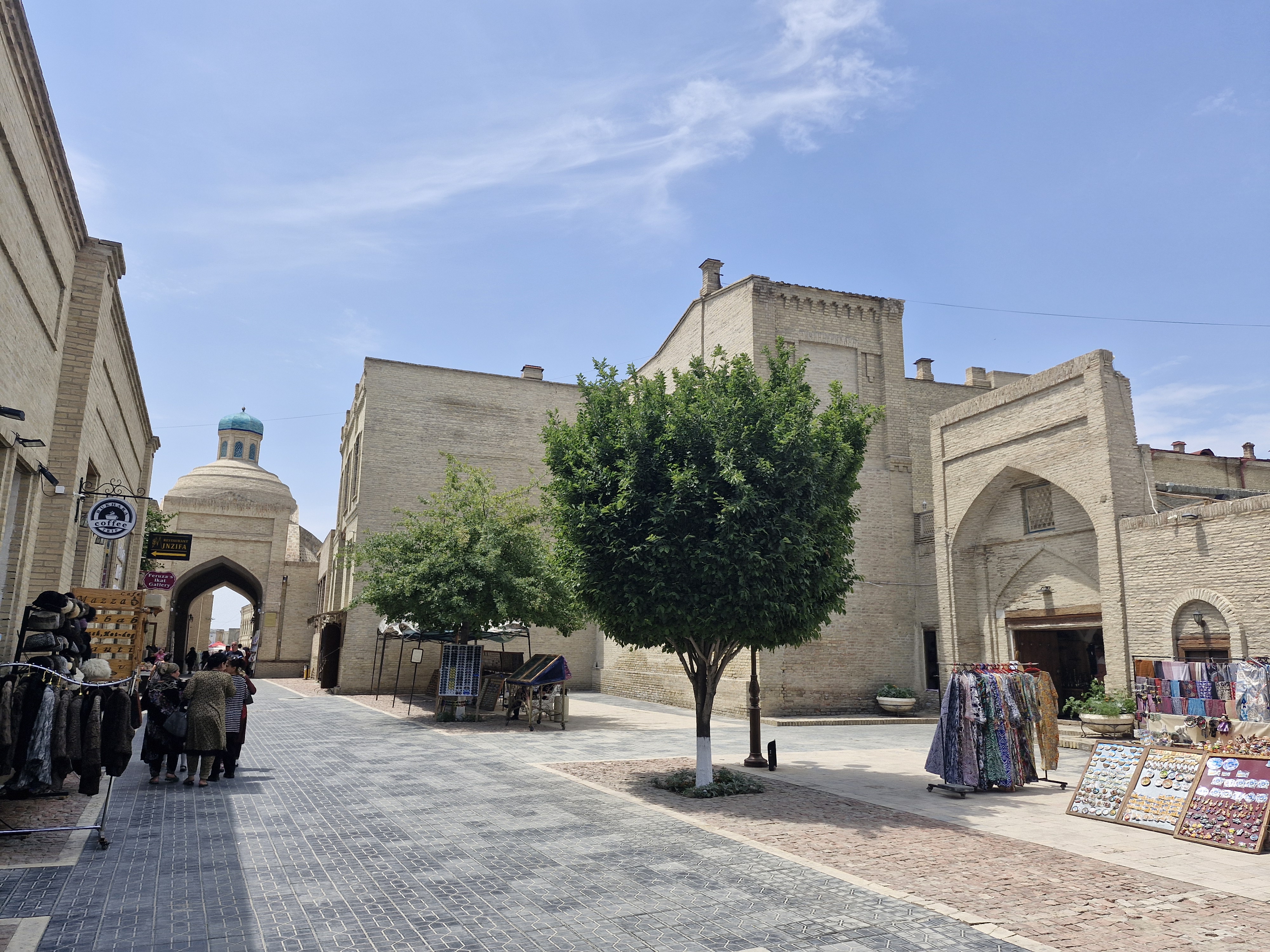
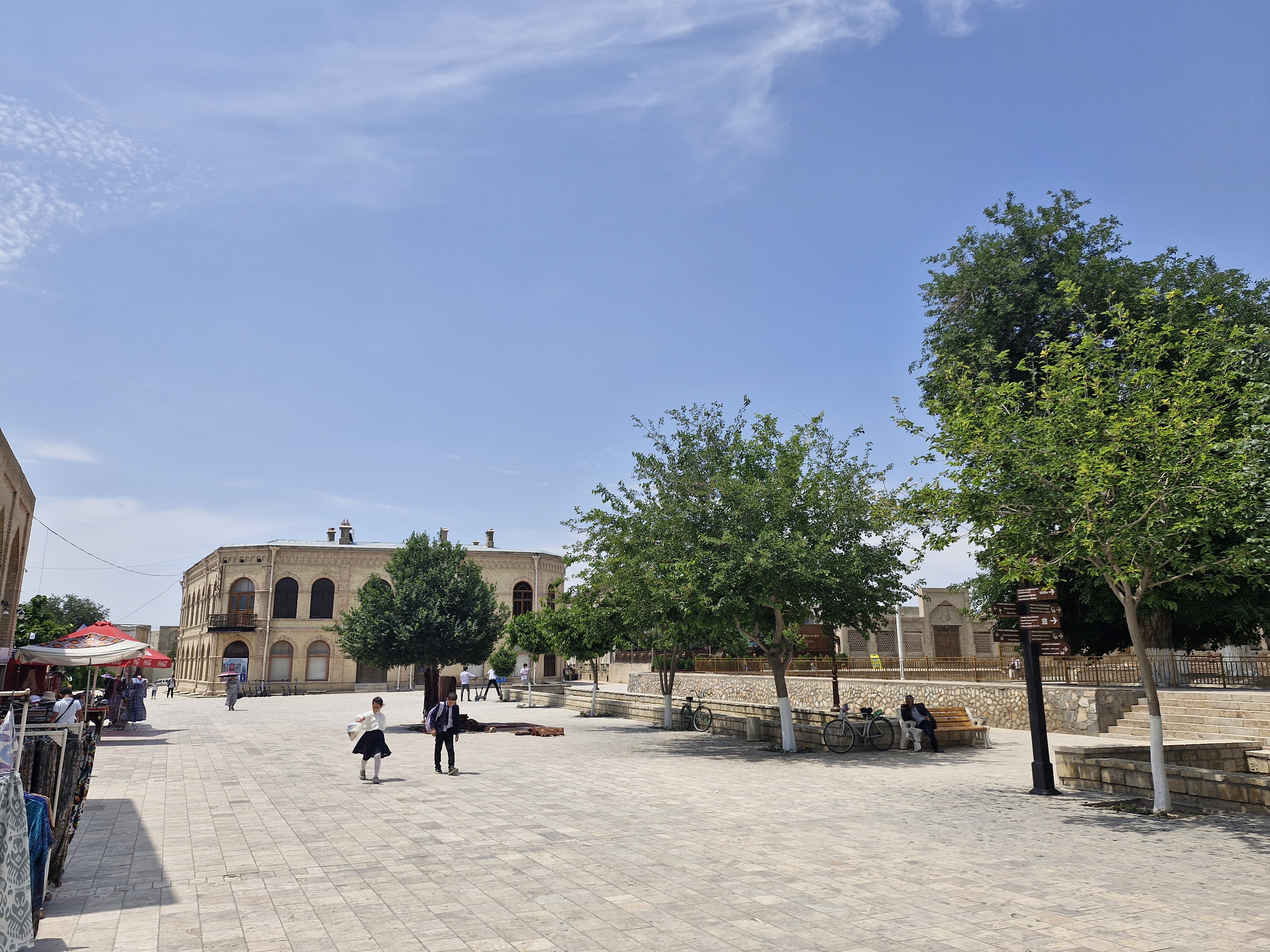
Bukhara, Uzbekistan, is known for its well-preserved Silk Road architecture, including numerous mosques, madrasahs, and caravanserais. The city's historic center, a UNESCO World Heritage Site, showcases the rich cultural exchange that occurred along this ancient trade route. The architecture features intricate tilework, elaborate brick patterns, and impressive domes, reflecting the influence of various empires throughout its history. Many of these buildings served as centers of learning and commerce, contributing to Bukhara's significance as a cultural and intellectual hub.
📍Bukhara
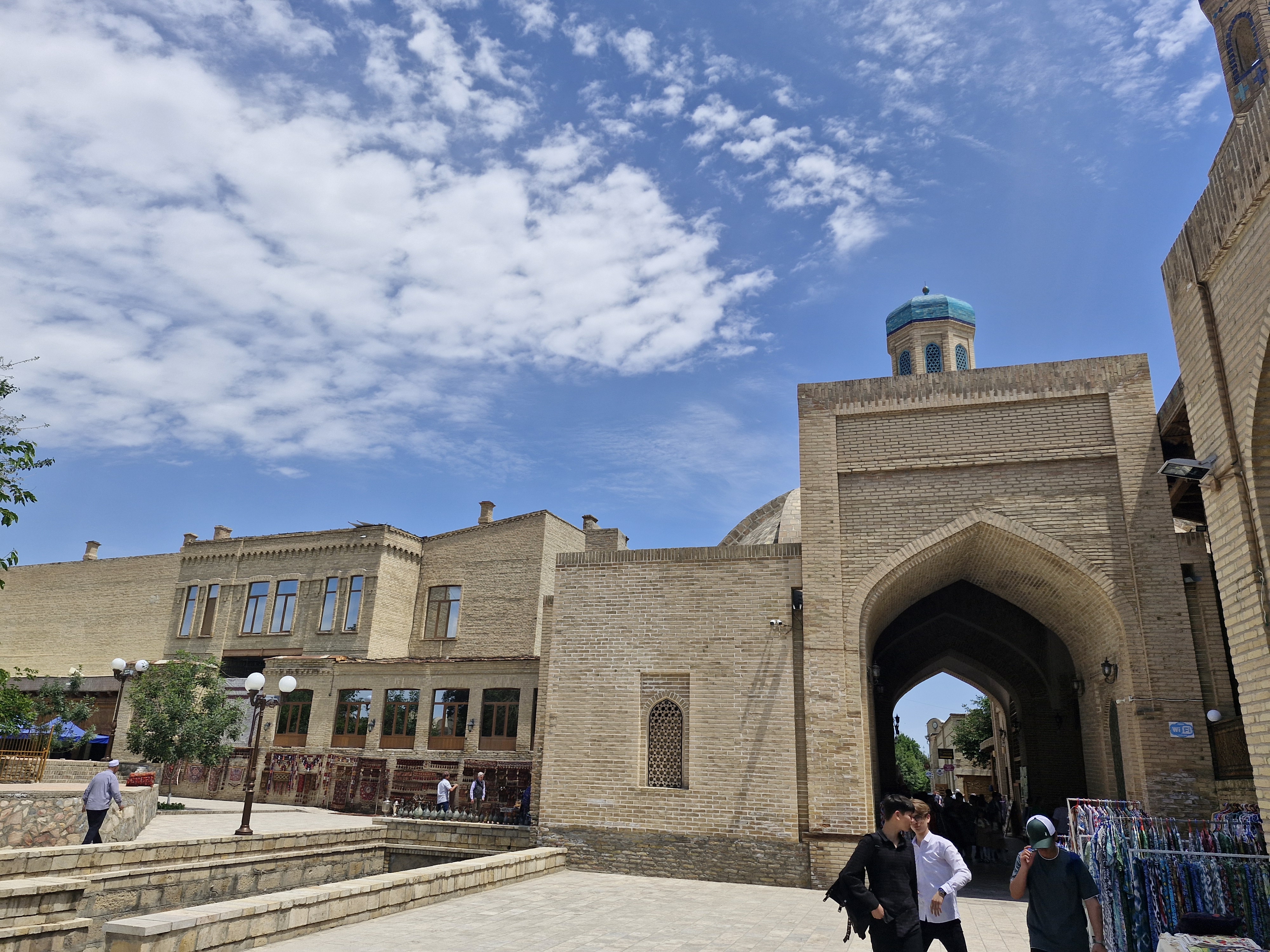
The architecture in Uzbekistan often showcases intricate brickwork and vibrant tile designs, reflecting the area's rich history as a center of trade and culture along the Silk Road. Many buildings incorporate elements of Islamic design, such as domes and arches. This unique blend of architectural styles demonstrates the influence of various empires and cultural exchanges throughout the centuries. The turquoise domes are particularly iconic features found throughout Uzbekistan.
📍Bukhara
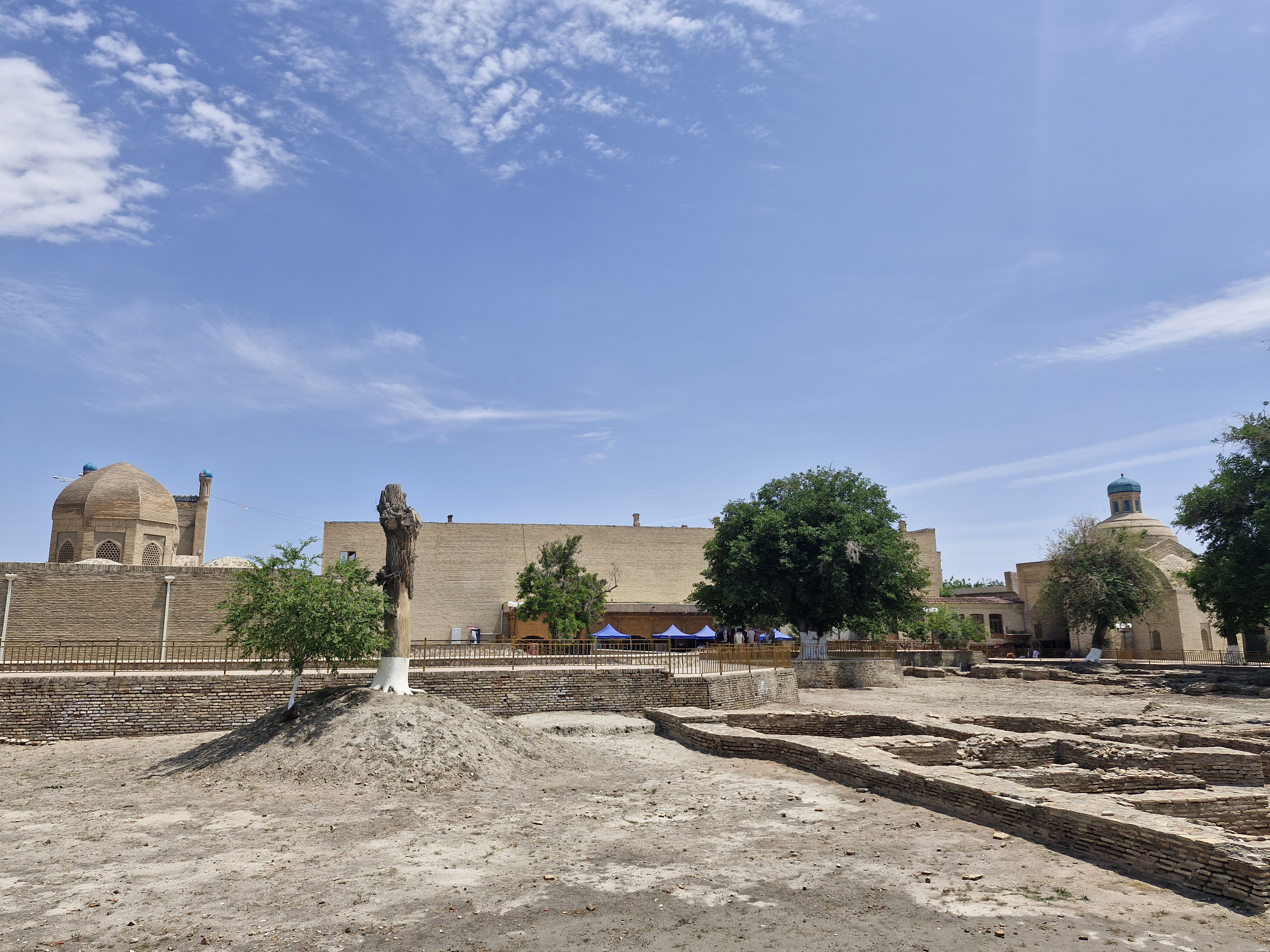
Chashma Ayub Mausoleum
Chashma Ayub Mausoleum in Bukhara, Uzbekistan, is believed to house the well of the prophet Job. Its name translates to "Job's spring," and legend says the prophet visited this site and struck the ground with his staff, creating a healing spring. The current structure dates back to the 12th century, with later additions during the Timurid era, reflecting various architectural styles. It is a significant pilgrimage site and a testament to both religious history and Central Asian architecture.
📍Bukhara
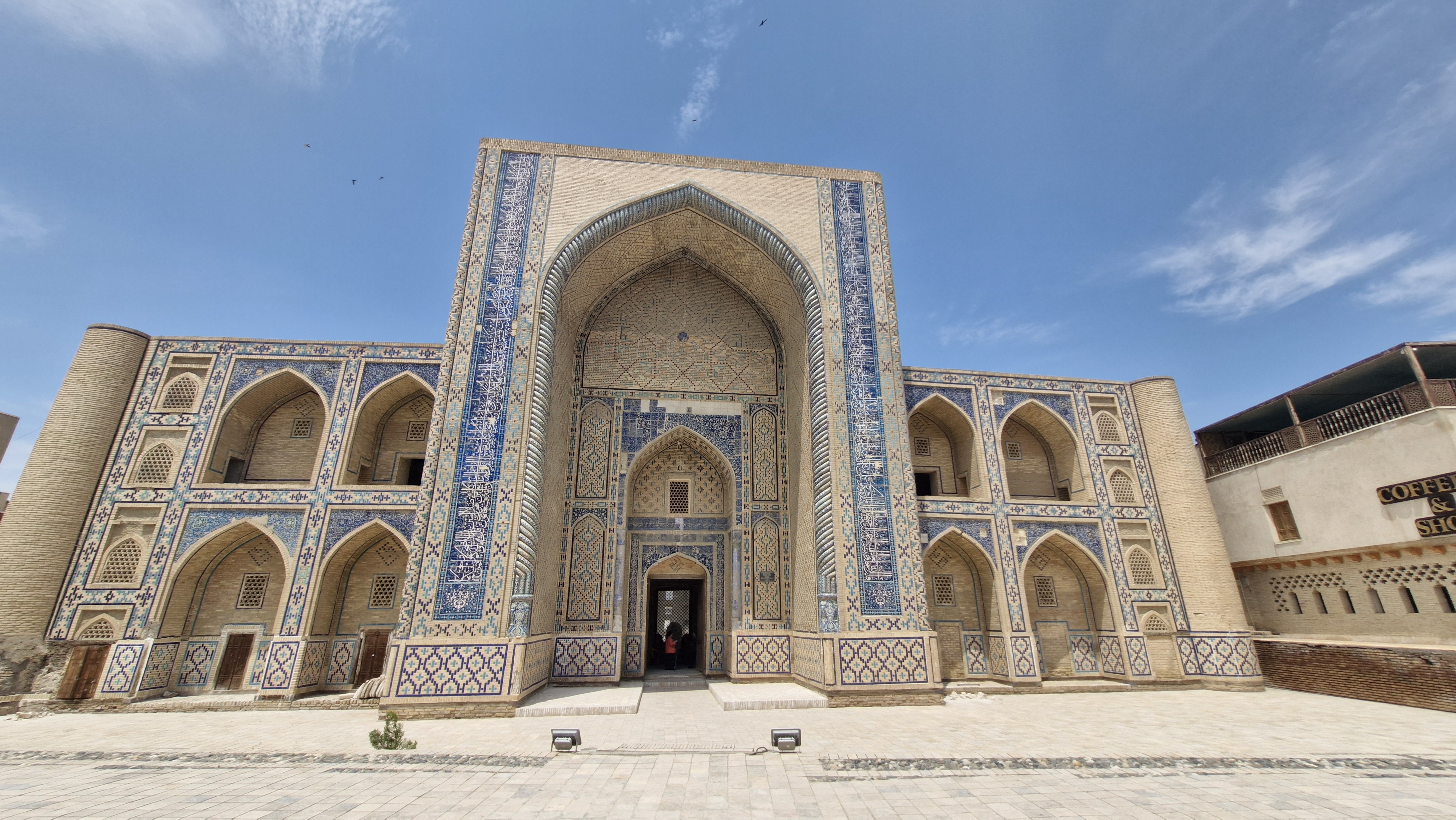
Nadir Divan-Begi Madrasah
The Nadir Divan-Begi Madrasah is part of the Lyabi-Hauz complex, constructed in 1622. Initially intended as a caravanserai, it was converted to a madrasah after Nadir Divan-Begi, vizier to the Bukhara ruler Imam-Kuli, mistakenly declared it so. Its unique facade is known for its depictions of mythical birds, deer, and a sun face, reflecting a departure from traditional Islamic art.
📍Bukhara
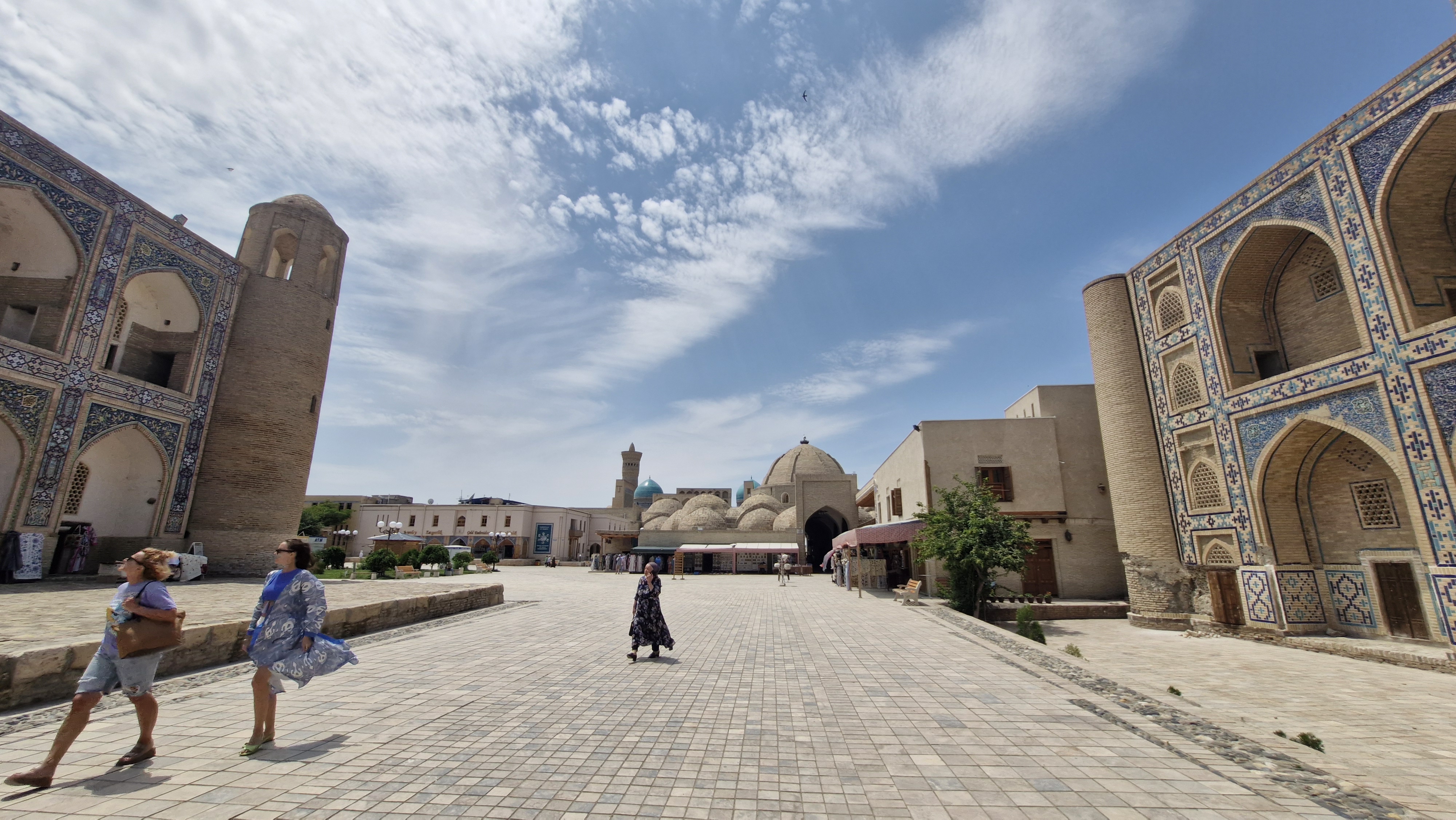
Kukeldash Madrasah (Bukhara)
The Kukeldash Madrasah is one of the largest and most famous madrasahs in Bukhara, Uzbekistan. It was built in 1568-1569 during the reign of Abdullah Khan II. The madrasah served as a prominent educational institution for centuries, imparting knowledge in various Islamic sciences. Its architecture, with intricate mosaics and imposing structure, represents a significant example of Central Asian Islamic architecture during the Shaybanid dynasty.
📍Bukhara
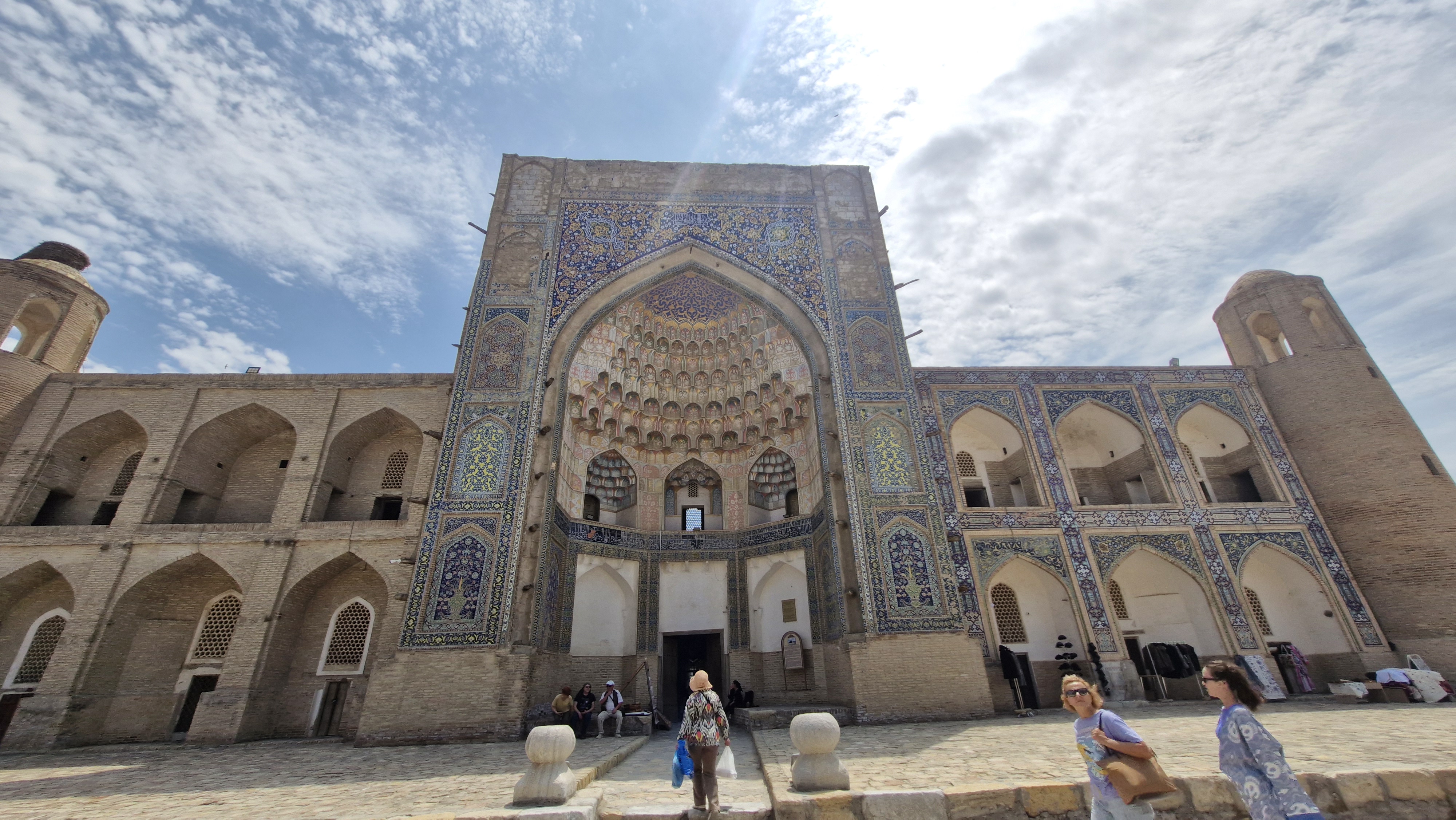
Nadir Divan-Begi Madrasah
The Nadir Divan-Begi Madrasah is part of the Lyabi-Hauz complex in Bukhara, Uzbekistan. Built in 1622 by Nadir Divan-Begi, the vizier to Imam Quli Khan, it was originally intended to be a caravanserai but was converted to a madrasah after a supposed blessing from Khoja Nazhmuddin. The structure showcases intricate tilework and a unique, somewhat controversial, depiction of a phoenix-like bird on its facade, unusual for Islamic religious buildings. It now primarily serves as a space for traditional musical performances and cultural events.
📍Bukhara
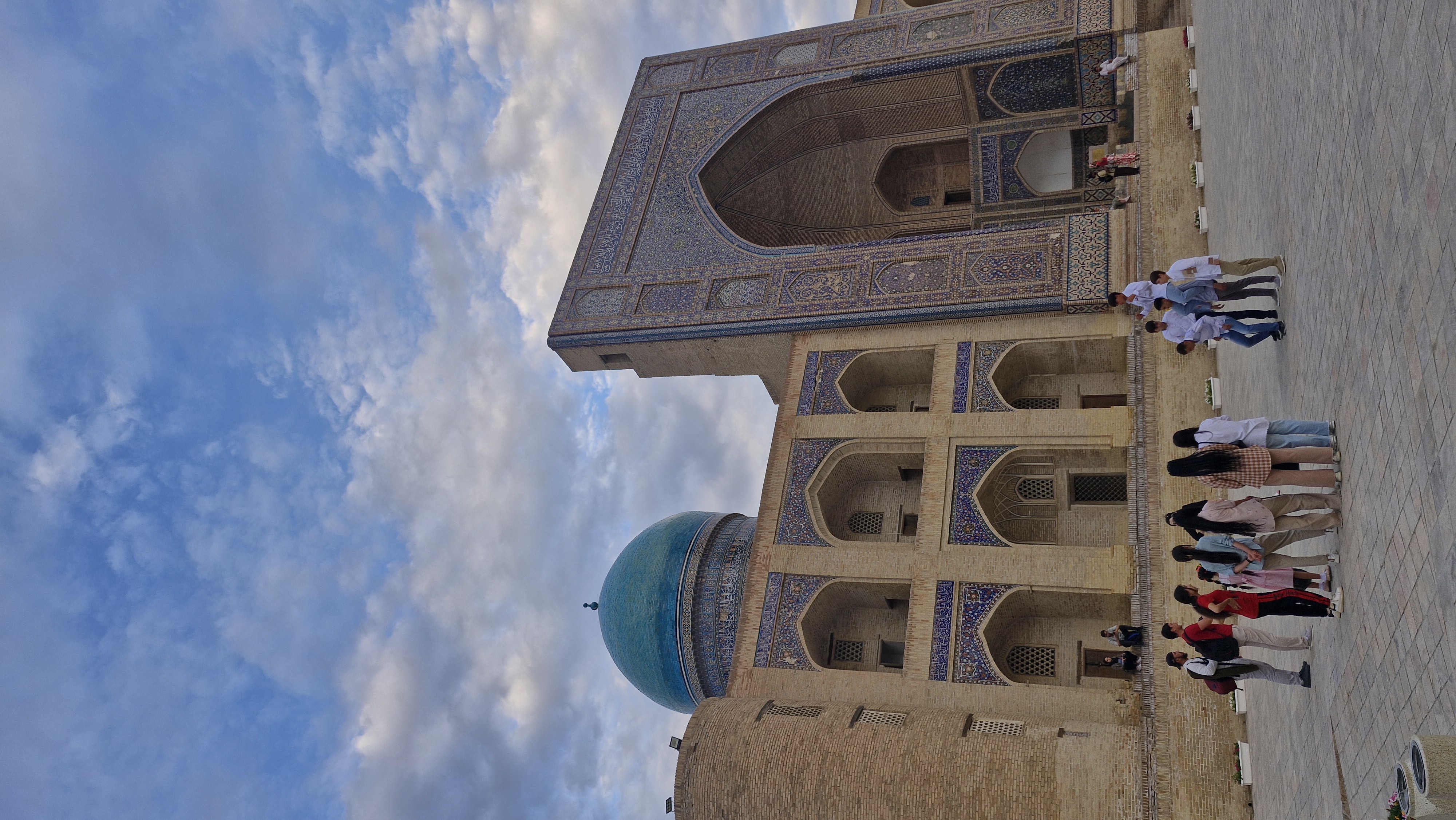
Kalon Minaret and Mir-i-Arab Madrasah
The Kalon Minaret, completed in 1127, is one of the most iconic structures in Bukhara, Uzbekistan. It stands 47 meters tall and served both as a watchtower and a call to prayer. The Mir-i-Arab Madrasah, built in the 16th century, is a functioning Islamic school that continues to educate students today. The complex showcases intricate tilework and serves as a center of theological study.
📍Bukhara
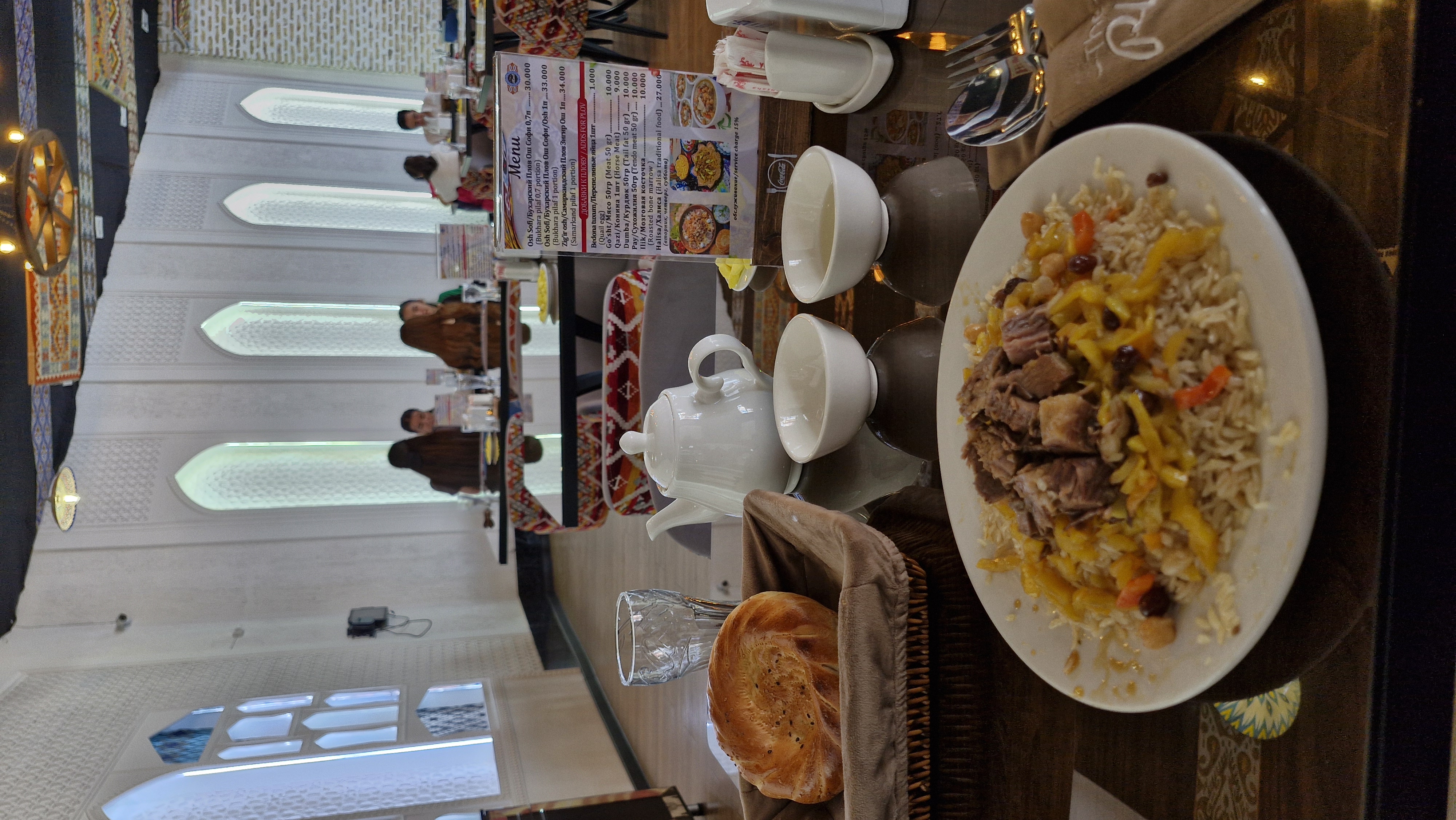
Osh Sofi
Osh Sofi, also known as Bukhara pilaf, is a variation of plov, a quintessential rice dish in Uzbek cuisine. Unlike other plovs, Osh Sofi typically features large chunks of meat, often beef or lamb, cooked until tender. It also incorporates yellow carrots, chickpeas, and raisins, adding a touch of sweetness to the savory dish. The rice is infused with the flavors of the meat and vegetables, creating a rich and aromatic meal.
📍Null
1–10 of 43 photos